





Why Humidity Is the Enemy of Fresh Food
During the rainy season, the air becomes saturated with moisture. This high humidity is the primary reason food spoils faster. It provides the damp, warm conditions that mould and bacteria need to thrive. Everything from your crispy snacks to your essential
spices is at risk. Fungi and bacteria can multiply rapidly, leading not only to food wastage but also to a higher risk of foodborne illnesses like food poisoning, gastroenteritis, and other stomach infections which see a spike during this season. Proper storage becomes less of a choice and more of a necessity for a healthy household.
Protecting Your Pantry Staples
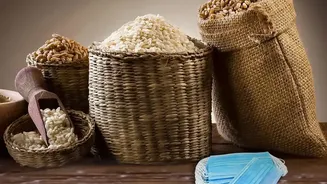
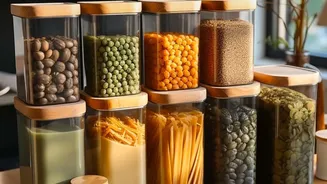
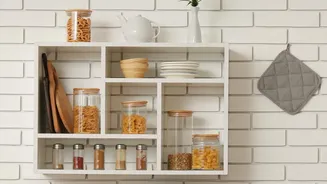
Dry goods are the backbone of the Indian pantry, but they are highly susceptible to moisture. Items like flour (atta), lentils (dals), rice, and sugar can clump together and become a breeding ground for pests and mould. The first rule is to get them out of their original paper or plastic bags. Transfer these staples into clean, dry, and completely airtight containers, preferably made of glass or stainless steel. For an extra layer of protection, consider lightly roasting items like sooji (rava) and flours before storing them to remove any latent moisture. Adding a few bay leaves or dried neem leaves to your grain containers is a traditional and effective trick to repel pests.
Keeping Spices Pungent and Safe
Humidity is the nemesis of a good spice box. It causes powdered spices like turmeric, chilli, and coriander to form hard lumps, lose their aroma, and even develop mould. To prevent this, store your masalas in small, airtight jars with tight-fitting lids. Avoid opening your spice jars directly over a steaming pot, as the vapour can introduce moisture. Always use a completely dry spoon to scoop out spices. If you buy spices in bulk, keep the main stock in a large, sealed container and refill smaller, daily-use jars as needed. This minimises their exposure to the damp air.
Handling Fruits and Vegetables
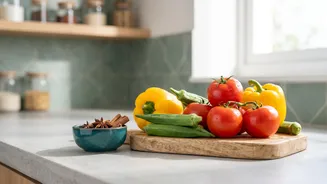
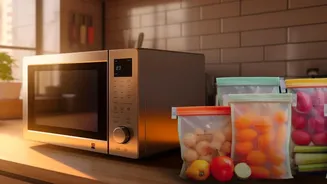
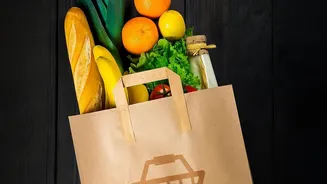
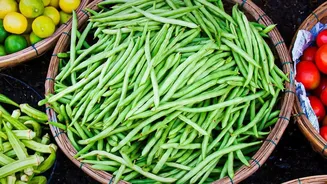
Fresh produce requires special attention during the monsoon. It's best to buy vegetables in smaller quantities more frequently rather than stocking up for the week. Wash vegetables thoroughly, but make sure to dry them completely before storage. Wrapping leafy greens in a paper towel before placing them in a container can help absorb excess moisture and keep them from wilting. Some vegetables are best stored in the refrigerator to slow down spoilage, but never wash produce and store it immediately, as the lingering dampness accelerates rot. A vinegar wash (two tablespoons of vinegar in a bowl of water) can also help clean produce and inhibit fungal growth.
Saving Your Snacks and Breads
There's nothing more disappointing than reaching for a biscuit or a handful of namkeen only to find it has gone soft and soggy. The high moisture content in the air is to blame. The best defence is, once again, airtight containers. As soon as you open a packet of snacks, transfer the contents to a jar with a secure lid. Bread is particularly prone to developing mould within a day or two. To extend its life, it's best to store your bread loaf in the refrigerator during the rainy season.
General Kitchen Hygiene
Beyond food storage, maintaining overall kitchen hygiene is crucial. Damp kitchen towels are a hotspot for bacteria, so change them daily. Wipe down countertops and cooking surfaces regularly to keep them dry, perhaps using a mix of vinegar and water for its antibacterial properties. Ensure your kitchen is well-ventilated; use an exhaust fan when cooking to pull steam and moisture out of the room. Regularly clean your refrigerator, as condensation can lead to mould growth even in the cold, and don't let leftovers sit out for long.