



The Post-Monsoon Promise
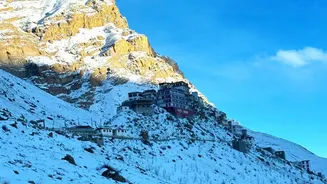
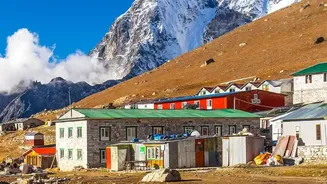
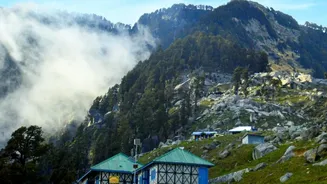
The period from late September to early December is widely considered a prime season for Himalayan travel. The monsoon rains have washed away the dust and haze, leaving behind breathtakingly clear skies and panoramic views of the snow-capped peaks. The landscape
is at its most lush and inviting. However, the aftermath of the monsoon also creates a set of hazards that every traveller must take seriously. The season's beauty is matched by its unpredictability, making careful planning more important than ever.
The Reality of Road Status
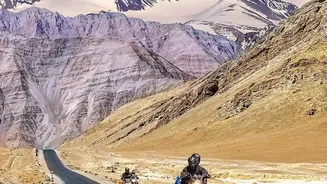
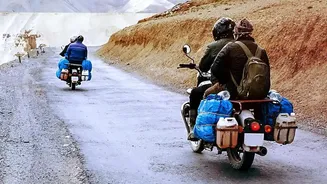
During the monsoon, heavy rains saturate the fragile Himalayan geology, leading to frequent and often massive landslides that can block or completely wash away sections of crucial highways. When the rains subside, organisations like the Border Roads Organisation (BRO) work tirelessly to clear debris and restore connectivity. However, 'open' does not always mean 'easy'. A newly cleared road might be a single-lane track of gravel and mud, prone to fresh blockages. Water crossings, where streams flow over the road, can remain high and treacherous. These conditions can lead to significant delays, sometimes forcing travellers to wait for hours or even days. Key arteries like the Manali-Leh or Srinagar-Leh highways are particularly susceptible.
The Danger of Drastic Temperature Drops
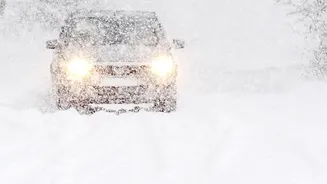
The other major factor in the post-monsoon season is the rapid and severe drop in temperature. While days can be pleasantly sunny and warm, temperatures can plummet by 12-15°C as soon as the sun sets. At high altitudes, this difference is even more pronounced, with night-time temperatures frequently falling below freezing, even in early autumn. This isn't just a matter of comfort; it's a significant safety concern. Cold can exacerbate the symptoms of Acute Mountain Sickness (AMS), such as headaches and nausea, and increases the risk of hypothermia. The air at altitude is also drier, which can lead to dehydration more quickly.
How to Plan and Pack Smart
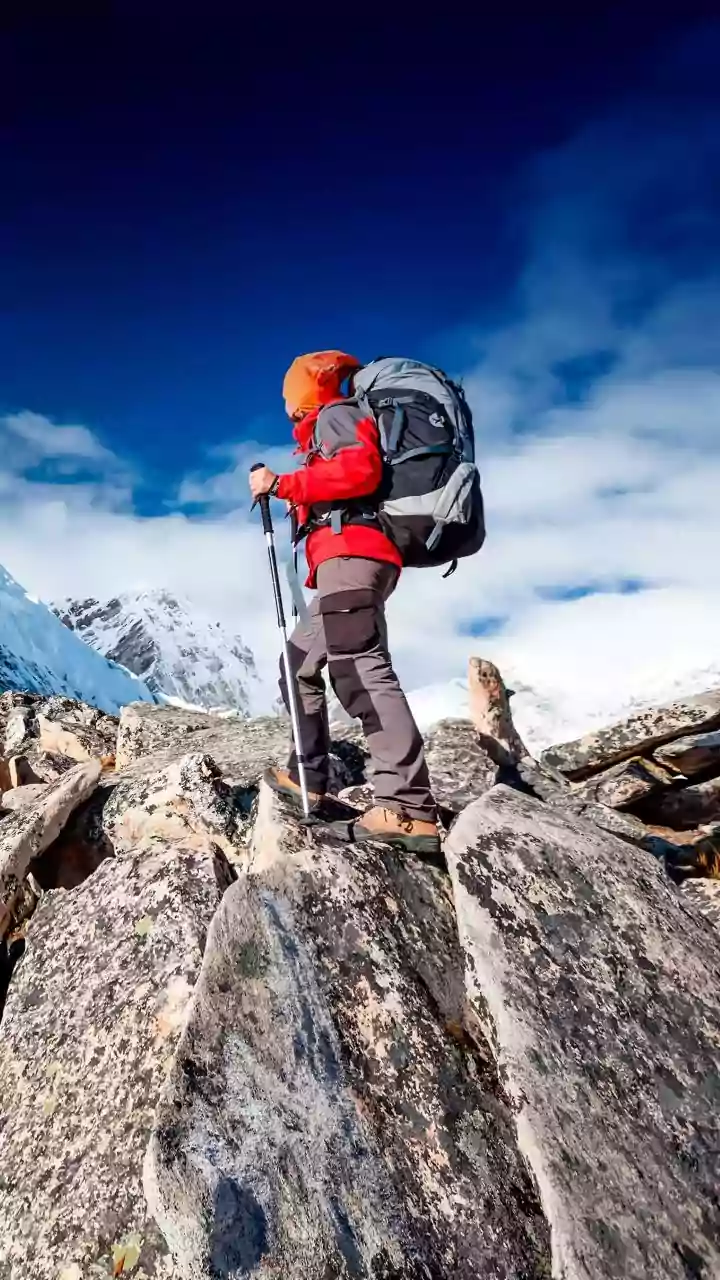
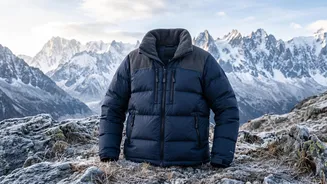
Given these challenges, a successful post-monsoon Himalayan trip requires a specific mindset and packing strategy. First, build flexibility into your itinerary. Add buffer days to your plan to accommodate potential road closures or the need for extra acclimatisation. Never try to stick to a rigid schedule; the mountains have the final say.When it comes to packing, the layering system is non-negotiable. Instead of one heavy jacket, pack multiple layers: a moisture-wicking base layer, an insulating mid-layer like fleece, and a waterproof and windproof outer shell. This allows you to adapt to the huge temperature swings between day and night. Always have a warm hat, gloves, and woollen socks handy.
Staying Safe on the Road
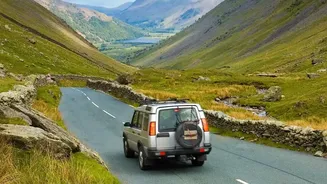
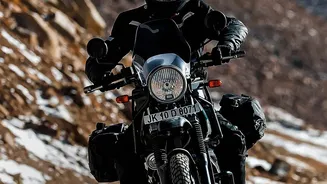
Before and during your trip, make it a habit to check the latest road status from official sources and local authorities. Don't rely on information that is more than a day or two old. On the road, understand the local driving etiquette. For instance, on single-lane mountain roads, the vehicle travelling uphill almost always has the right of way. Be prepared for long waits and always carry extra water, snacks, and your warmest layers in your daypack, not in luggage stowed away. Arriving at your destination before sunset is a crucial rule, as visibility drops quickly and cold sets in fast.