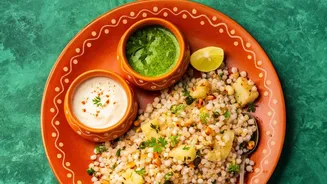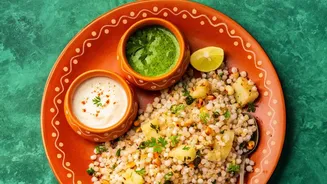


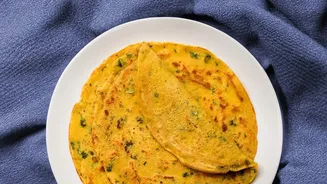
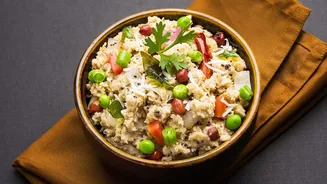

Dalia and khichdi are cornerstones of Indian comfort food, cherished for their simplicity and nourishing qualities. But when it comes to nutrition, which one has the edge? The answer isn't so simple, especially when vegetables enter the equation.
The Comfort Food Contenders
In the
world of wholesome Indian meals, dalia and khichdi stand out as go-to options for a light, satisfying, and healthy dish. Dalia, made from cracked or broken wheat, is a versatile whole grain that can be cooked into a savoury upma or a sweet porridge. Khichdi is a classic one-pot meal made by cooking rice and lentils (typically moong dal) together. Both are lauded for being easy to digest and are often the first choice for a recovery meal or for young children. But while they share a reputation for being 'healthy', their nutritional profiles offer different benefits.
Dalia: The Whole Wheat Powerhouse
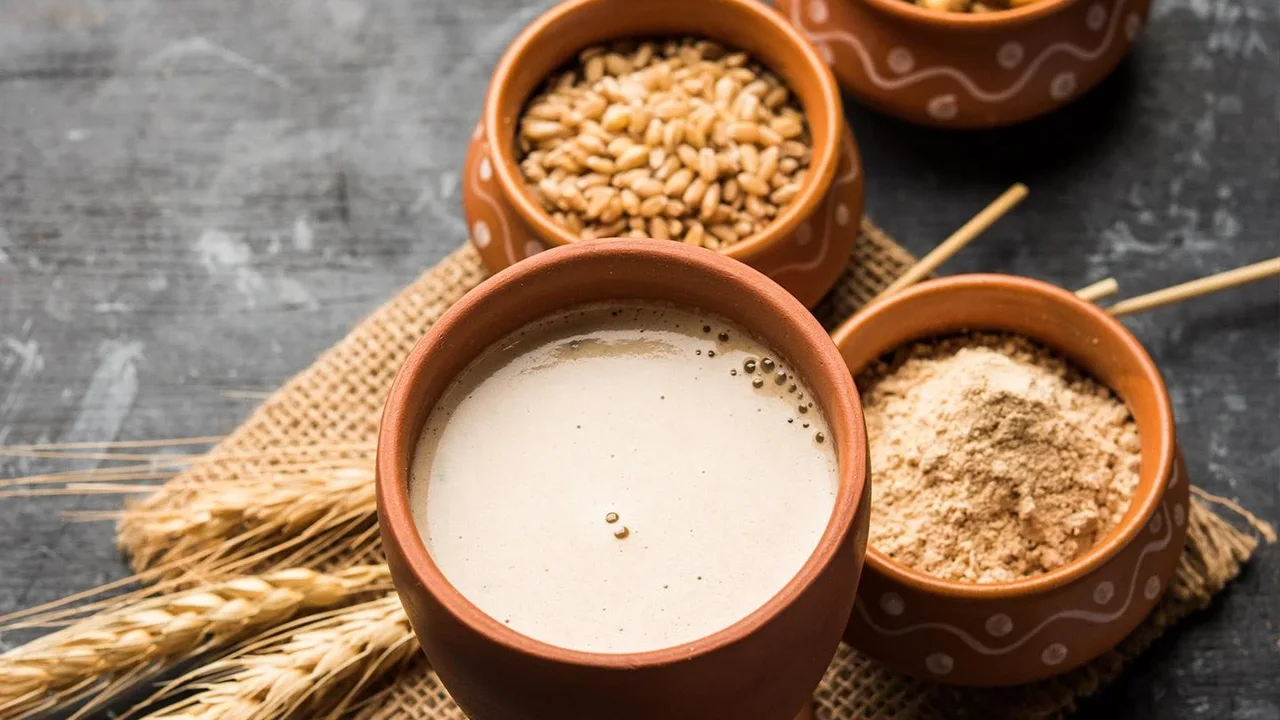
Dalia's primary strength lies in its identity as a whole grain. Made from cracked wheat, it retains its bran and germ, making it rich in dietary fibre. A 100g serving of uncooked dalia packs around 12g of protein and 10g of fibre. This high fibre content is a game-changer for several reasons. It promotes a feeling of fullness, which can help with weight management by preventing overeating. It also aids in digestion and can prevent constipation. Furthermore, dalia has a low glycemic index, meaning it releases sugar into the bloodstream slowly. This provides sustained energy and makes it an excellent food for managing blood sugar levels.
Khichdi: The Digestive Dynamo
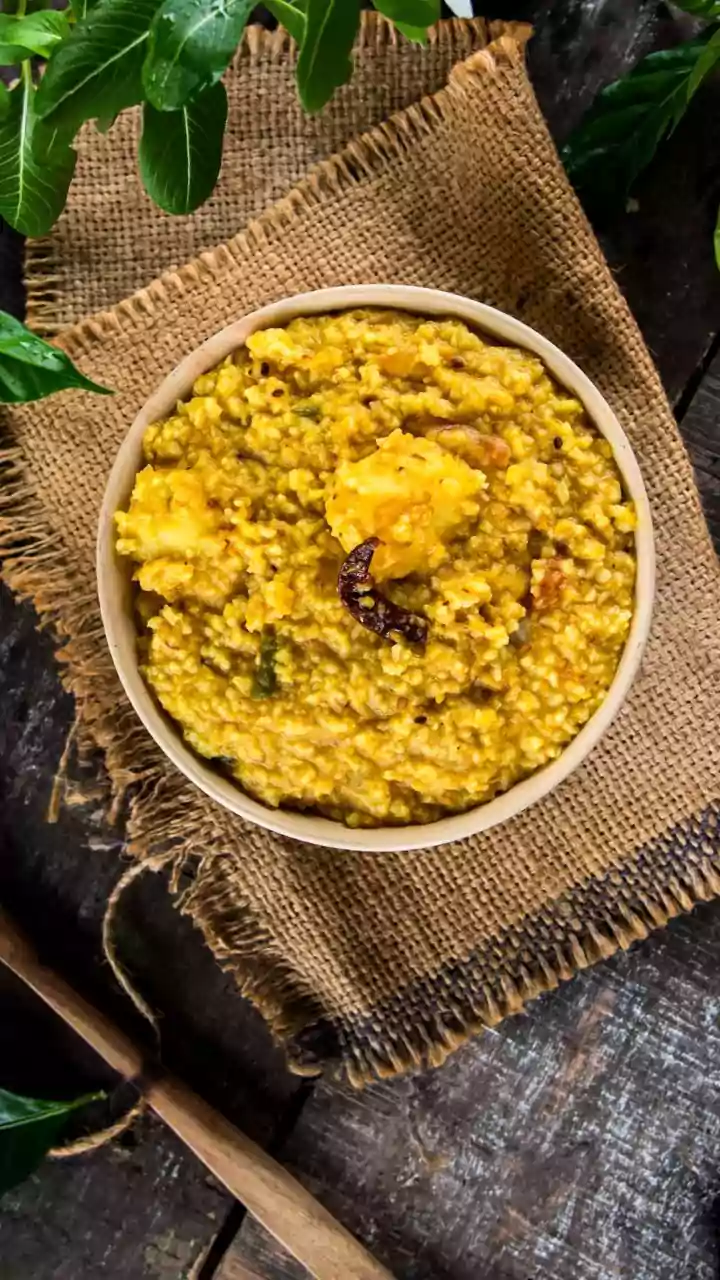
Khichdi’s magic comes from the combination of rice and lentils. This pairing creates what is known as a complete protein, providing all the essential amino acids your body needs—something that rice or lentils alone cannot do. While generally lower in fibre than dalia, khichdi is famously gentle on the stomach and easy to digest, making it a preferred meal during illness. A standard bowl of plain moong dal khichdi provides a balanced mix of carbohydrates and protein. Its nutritional value can vary greatly depending on the ratio of rice to dal and the amount of ghee used, but a basic preparation is a moderate-calorie, comforting meal.
The Vegetable Revolution
This is where both dishes can be transformed from simple staples into nutritional powerhouses. Adding a variety of vegetables fundamentally changes the nutritional equation for both dalia and khichdi. Vegetables add bulk to the meal without significantly increasing the calorie count, which is beneficial for weight management. More importantly, they load the dish with essential vitamins, minerals, and antioxidants. The added fibre from vegetables further improves digestion, promotes gut health, and helps regulate blood sugar. Think of vegetables as a nutritional upgrade that enhances the inherent benefits of whichever grain base you choose.
Vegetable Dalia: A Fortified Feast
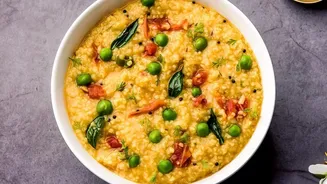
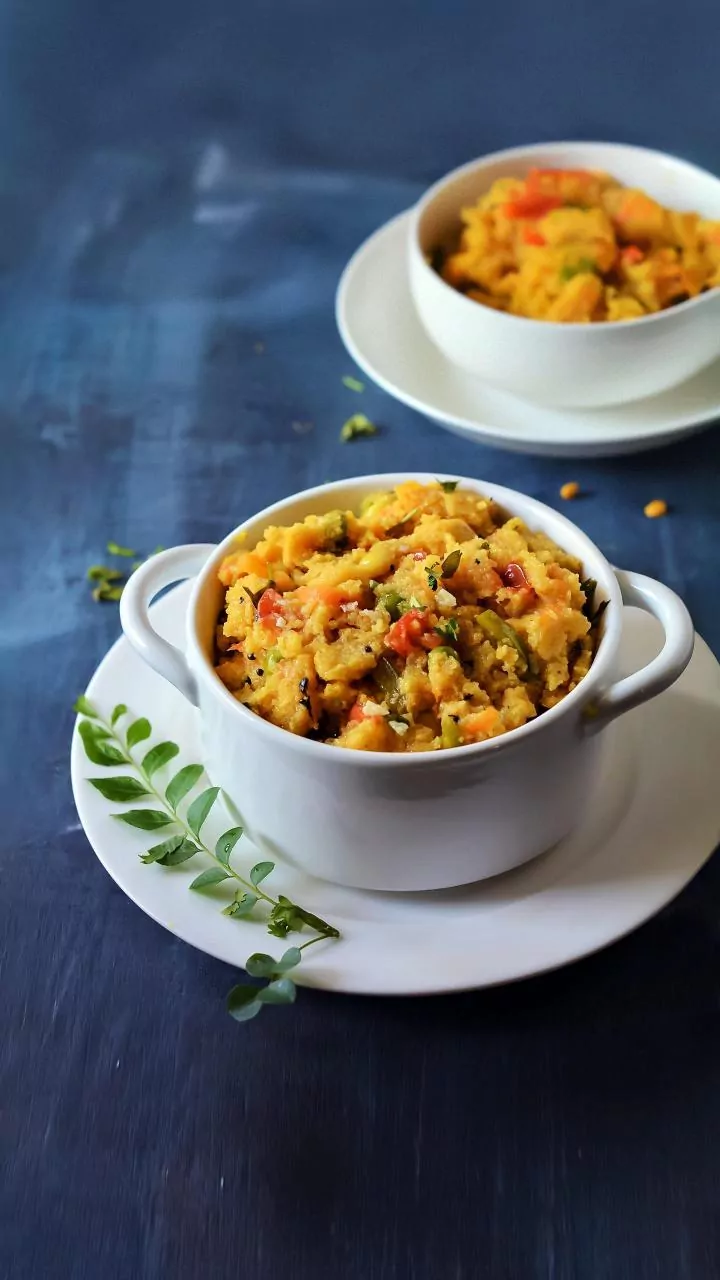
When you add vegetables like carrots, peas, beans, and capsicum to dalia, you are essentially doubling down on fibre. This makes vegetable dalia an incredibly filling meal, ideal for anyone focused on weight loss or needing to stay full for longer. The combination of complex carbs from the wheat and the nutrients from the vegetables creates a dish that is excellent for sustained energy release and blood sugar control. The addition of vegetables also boosts the vitamin and mineral content, turning a simple grain porridge into a well-rounded, nutrient-dense meal that supports everything from heart health to digestion.
Vegetable Khichdi: The Ultimate Balanced Meal
Adding vegetables to khichdi elevates it from a simple comfort food to a complete and balanced meal. A bowl of vegetable khichdi contains carbohydrates from rice, complete protein from the rice-dal combination, and a host of vitamins and minerals from the added veggies. This makes it an almost perfect meal for recovery, as it provides all the necessary nutrients while remaining exceptionally easy to digest. For those looking for a light yet nutritionally complete dinner, vegetable khichdi is an excellent choice. It provides satiety from the protein and fibre without feeling heavy, supporting both good sleep and a healthy digestive system.
The Verdict: Which Is for You?
There is no single winner here; the 'better' option depends entirely on your health goals. Choose Dalia if your primary focus is on high fibre intake, weight management, and controlling blood sugar. Its slow-release energy makes it a fantastic breakfast or lunch option. Choose Khichdi if you need an easily digestible, soothing meal that provides a complete protein source. It is ideal for dinner, for children, or when your digestive system needs a break. Ultimately, both dishes become significantly healthier with the generous addition of vegetables. The true nutritional victory isn't in choosing one over the other, but in embracing the power of vegetables to enhance whichever you prefer.