
The Challenge with Current EV Batteries
Electric vehicles have become a common sight on our roads, but the heart of every EV—the lithium-ion battery—carries inherent risks. These batteries typically use a liquid electrolyte to move ions between the anode and cathode. While efficient, this liquid is often
volatile and flammable. In the event of a crash, puncture, or manufacturing defect, it can lead to a dangerous situation known as thermal runaway, where the battery overheats and catches fire. Beyond safety, the materials used in these batteries, such as cobalt and lithium, are sourced through mining operations that carry significant environmental and ethical costs. As demand for EVs soars, the pressure to find a safer, more sustainable alternative has become a critical mission for the industry.
A Breakthrough from an Unlikely Source
The next generation of battery technology may not come from a mine, but from a forest or a farm. Researchers are making significant strides in creating electrolytes from agricultural waste, specifically from a substance called lignin. Lignin is a natural polymer that gives plants their rigidity and is the second most abundant biopolymer on Earth. It is a major waste byproduct of the paper and biorefining industries, often discarded or burned. By harnessing this abundant waste, scientists are developing solid-state electrolytes. Unlike their liquid counterparts, solid electrolytes are stable, non-flammable, and can improve battery safety dramatically. This approach tackles two major issues at once: it provides a path to safer EV batteries and creates a high-value use for a common industrial waste product, promoting a circular economy.
The Science of Plant-Powered Batteries
So how does waste from a tree help power a car? The process involves molecular engineering. Scientists take lignin and chemically modify it to conduct lithium ions effectively. In one promising approach, lignin is grafted with another polymer to create a new material that functions as a solid polymer electrolyte. This new material forms a solid, stable barrier between the battery's anode and cathode, allowing ions to pass through while preventing the formation of dendrites—tiny, needle-like structures that can cause short circuits and fires in traditional batteries. The result is a battery that is not only inherently safer because it lacks flammable liquid but also potentially more durable. Researchers have demonstrated that these lignin-based electrolytes can achieve impressive ionic conductivity, a key measure of a battery's performance.
Beyond Safety: The Sustainability Edge
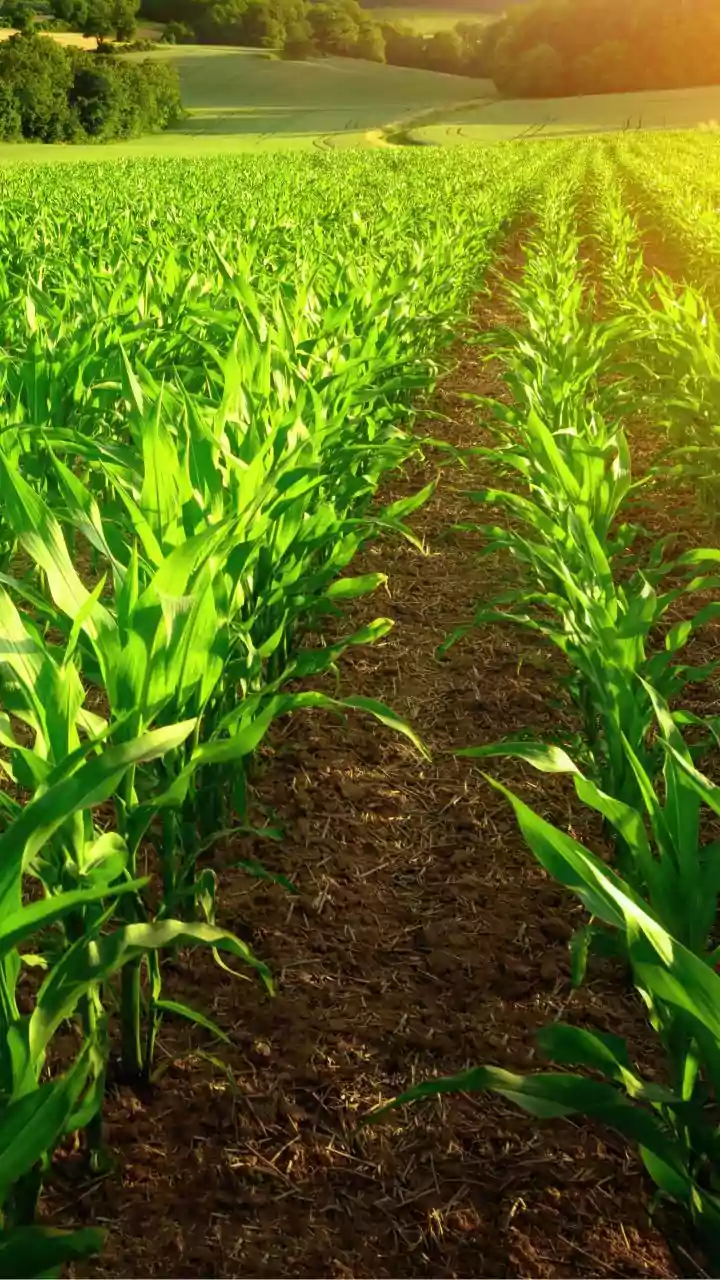
The benefits of using agricultural waste in batteries extend far beyond preventing fires. This technology represents a significant step towards a truly green energy ecosystem. By upcycling waste materials like corn husks, rice husks, and wood pulp, the industry can reduce its reliance on resource-intensive mining. This lessens the environmental degradation associated with extracting raw materials and lowers the carbon footprint of battery production. Furthermore, companies are exploring the use of cellulose from invasive plant species, turning an ecological nuisance into a valuable resource for creating biodegradable and compostable batteries for smaller devices. This cradle-to-cradle approach, where waste is repurposed into a valuable product, aligns perfectly with the principles of a circular economy and offers a more sustainable path for the entire electronics industry.
The Road Ahead to Commercialization
While the science is promising, don't expect to find a lignin-powered battery in your next EV just yet. The technology is still largely in the laboratory and pilot stages. A key challenge is scaling up production from small lab batches to the massive quantities required by the automotive industry, a hurdle that many new battery technologies face. Researchers must ensure these bio-based electrolytes can match the performance, longevity, and cost-effectiveness of current technologies under real-world driving conditions. However, the progress is rapid. Several research groups and startups have demonstrated proof of concept, and the underlying science is sound. As investment in sustainable technology grows, the path from agricultural waste to a mainstream EV battery component is becoming clearer, promising a future where our cars are powered more safely and sustainably.