




What is Hydroponics, Anyway?
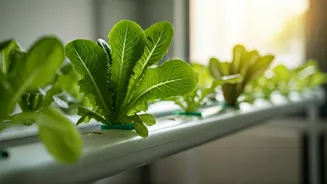
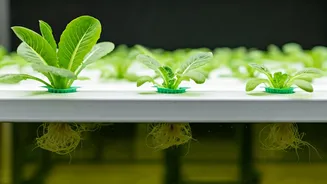
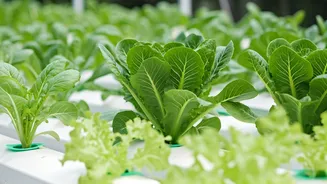
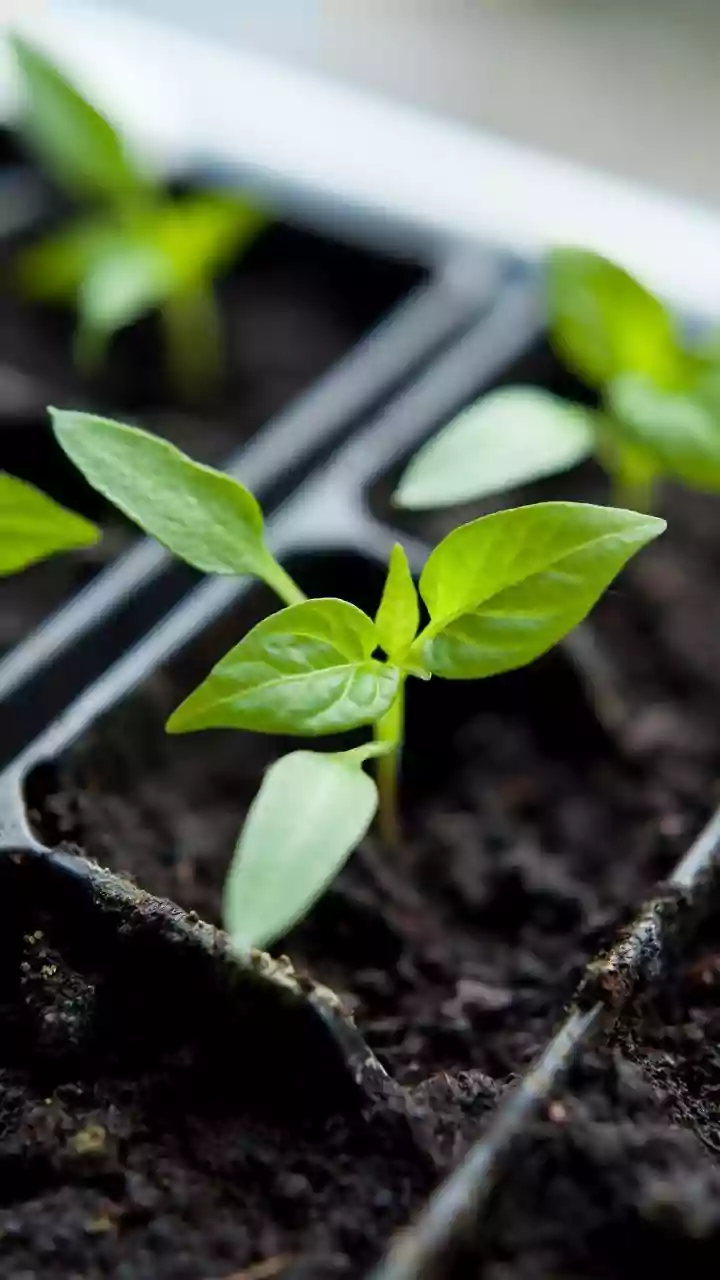
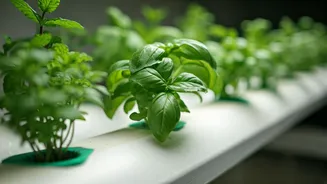
At its core, hydroponics is a method of growing plants without soil. Instead of pulling nutrients from the earth, plants get their food directly from a nutrient-rich water solution that bathes their roots. This technique might sound like something from a science
fiction movie, but it’s an ancient concept that is now being supercharged with modern technology. Think of it as a direct delivery system for plant nutrition, eliminating the middleman—soil—and all its associated hassles like pests, weeds, and unpredictable quality.
The Urban Gardener's Dream
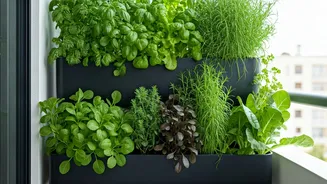
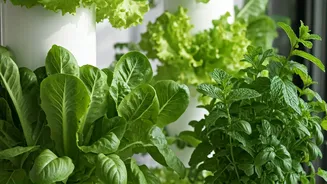
For anyone living in a compact city apartment, the benefits of hydroponics are immediately obvious. The biggest advantage is space efficiency. Vertical systems allow you to grow upwards, turning a small corner of a balcony or kitchen into a lush, productive garden. These setups can produce high yields in a fraction of the space required for traditional pots. Furthermore, hydroponic systems use up to 90% less water than soil-based gardening, a significant plus in water-scarce urban areas. Because the environment is controlled, you can grow produce year-round, free from the worries of seasonal changes, pests, or soil-borne diseases. This means fresh, pesticide-free spinach, lettuce, and herbs are possible even in the middle of a bustling metropolis.
Why the Sudden Boom?
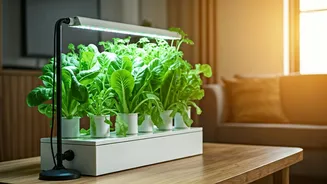
While hydroponics has been used in commercial farming for decades, its entry into Indian homes is a more recent phenomenon. The trend is driven by a convergence of factors. Firstly, a growing consciousness around food safety has urban consumers wary of pesticide-laden produce. Secondly, the recent wave of focusing on home-based hobbies and wellness has made gardening more popular than ever. Finally, and perhaps most importantly, the technology has become accessible and user-friendly. Sleek, automated, all-in-one kits are now readily available online, transforming a once-complex science into a plug-and-play hobby. These kits are designed for beginners and fit seamlessly into modern home aesthetics, making them as much a decor statement as a functional garden.
From Mint and Kothu to Tomatoes
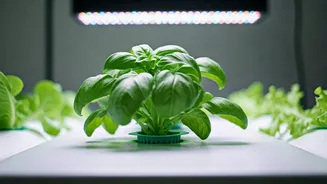
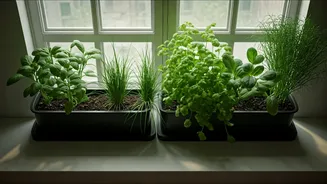
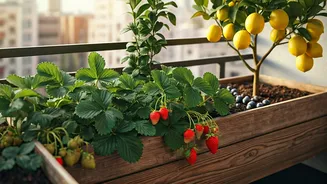
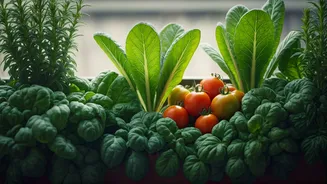
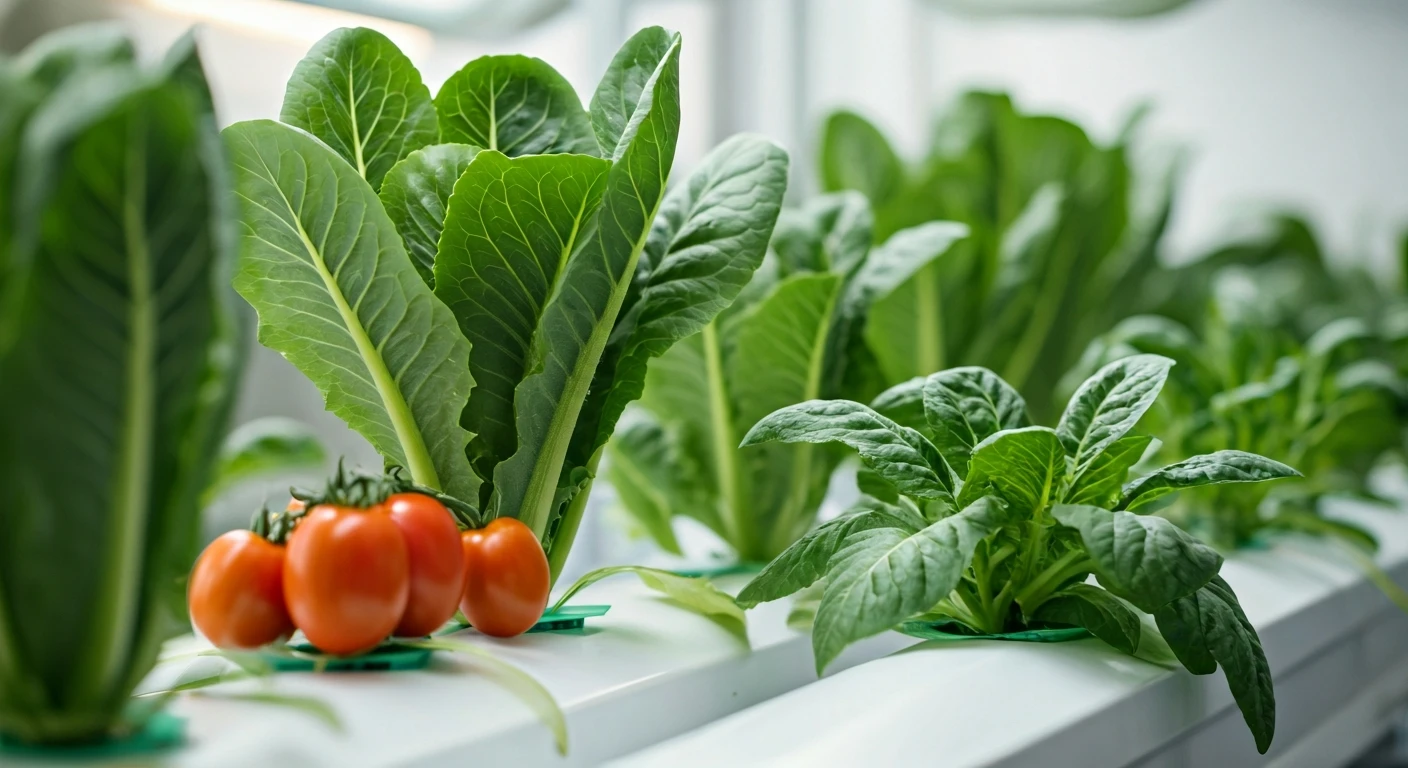
So, what can you actually grow? The answer is, a surprising amount. Leafy greens like lettuce and spinach are some of the easiest and fastest crops, often ready to harvest in about a month. Herbs such as mint, basil (tulsi), and coriander (kothu) thrive in hydroponic systems, providing a fresh, aromatic supply for your kitchen. Many are even experimenting with fruiting plants like tomatoes, bell peppers, and strawberries, which do exceptionally well with the consistent nutrient supply. The key is to start simple with plants that have shallow roots and quick growth cycles before moving on to more ambitious projects.
A Reality Check: Getting Your Hands Wet
Despite its many advantages, hydroponics isn't a completely hands-off affair. The initial setup cost can be a barrier, with beginner kits costing a few thousand rupees and more advanced systems running much higher. These systems also rely on electricity to power pumps and, in some cases, grow lights. The biggest learning curve for new growers is managing the water. You have to monitor and maintain the pH and nutrient concentration (EC) of the water to ensure your plants are getting what they need. It requires a different kind of attention than soil gardening—more like a fun chemistry experiment than traditional fieldwork. Many enthusiasts feel the biggest hurdle is simply the perception that it's too complicated to start.