







What Is Zone 2 Training?
Zone 2 training refers to exercising at a low-to-moderate intensity, specifically at 60% to 70% of your maximum heart rate. Think of it as the 'conversational pace'. It’s an effort level where you’re working and your breathing has deepened, but you can
still comfortably hold a full conversation without gasping for air. This type of exercise, also known as Low-Intensity Steady-State (LISS) training, contrasts sharply with high-intensity interval training (HIIT) because it avoids pushing your body to its absolute limit. Instead of short, exhausting bursts, the goal is to maintain a steady, manageable effort for a longer duration, typically 30 minutes or more.
Why It Works for Burnout
Burnout isn't just mental exhaustion; it's a state of chronic stress that taxes your entire system. A high-stress desk job can keep your body in a constant state of alert, flooding it with stress hormones. The last thing an over-stressed body needs is another high-stress event, which is how it can perceive an intense workout. This is where Zone 2 training shines. Because the effort is low, it doesn’t add significant strain to an already taxed system. Instead, this gentle, rhythmic activity can help reduce symptoms of anxiety and depression, promote mental clarity, and improve sleep quality. It acts as a form of active recovery, improving blood flow without causing more damage, which helps your body and mind reset.
The Science of a Slow Burn
The magic of Zone 2 happens at a cellular level. In this heart rate zone, your body becomes incredibly efficient at using fat for fuel because it has plenty of oxygen to do so. This process improves your overall metabolic health. More importantly for burnout, it enhances mitochondrial function. Think of mitochondria as the tiny power plants inside your cells. Consistent Zone 2 training increases both the number and efficiency of these power plants, which boosts your overall energy levels and builds endurance over time. This creates a more resilient foundation, helping you better manage stress and fight off the fatigue associated with burnout.
Finding Your Zone 2 Pace
You don’t need fancy equipment to find your Zone 2. The easiest method is the 'talk test': just maintain a pace where you can speak in full sentences. If you want to be more precise, you can use a heart rate monitor. A common way to estimate your maximum heart rate (MHR) is to subtract your age from 220. Once you have your estimated MHR, calculate 60% and 70% of that number to find your Zone 2 range. For example, a 40-year-old would have an estimated MHR of 180, putting their Zone 2 between 108 and 126 beats per minute. Remember, this is just an estimate, so always listen to your body.
Getting Started with Cycling
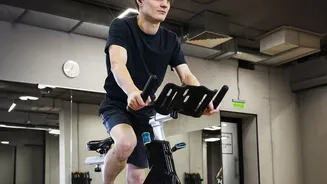
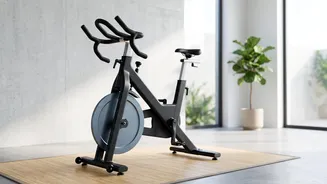
Cycling is an ideal activity for Zone 2 training because it's low-impact and makes it easy to maintain a steady effort. It’s gentle on the joints, tendons, and muscles, reducing the risk of injury compared to high-impact exercises. Whether you use a stationary bike at home or the gym, or ride outdoors, the principles are the same. Start with a short warm-up, then settle into a pace that keeps your heart rate in Zone 2 or where you can pass the talk test. Aim for consistency rather than intensity. A good starting goal is to complete two to three sessions per week, each lasting 30 to 60 minutes. The key is to make it a sustainable habit that you can look forward to as a break from your workday.