



The Undisputed Champions: Chai and Pakoras
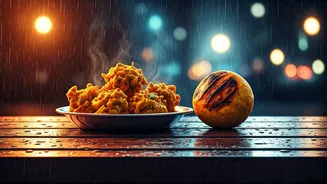
Let’s be honest. When the monsoon clouds gather, our minds don't drift to elaborate gourmet meals. They go straight to the classics. And in the pantheon of rainy-day pairings, nothing comes close to the simple, soul-satisfying duo of piping hot masala
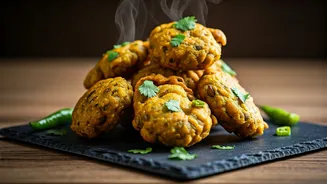
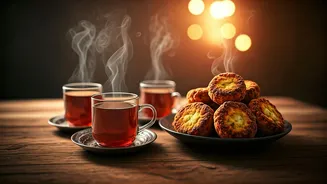
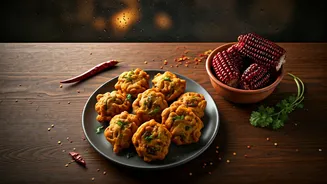
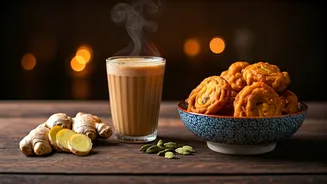
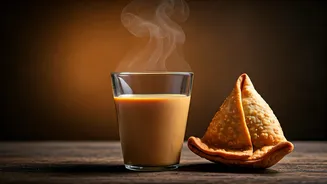
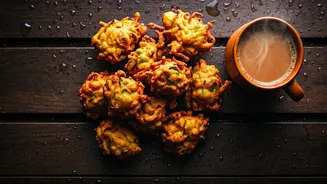
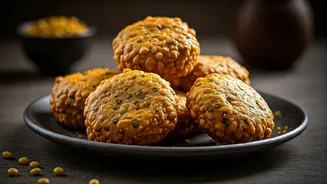
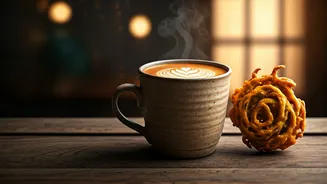
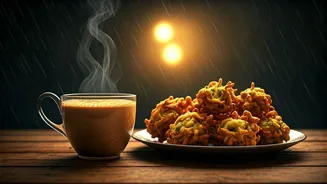
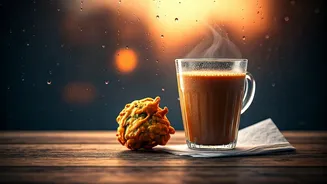
chai and a plate of crispy, freshly fried pakoras. Whether you call them pakodas, bhajis, or bondas, these golden-fried fritters of gram flour and assorted vegetables are the perfect companion to a steaming cup of tea. It’s not just food; it’s an event, a tradition, a sensory ritual that marks the arrival of the rains across India. From Mumbai's bustling streets to Delhi's quiet balconies and Kolkata's adda sessions, this combination is a universally understood language of comfort.
A Symphony for the Senses
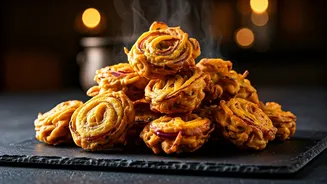
The magic of chai and pakoras lies in its perfect contrast. First, you have the chai. Not just any tea, but a robust masala chai, brewed strong with milk and infused with the warming notes of ginger, cardamom, cloves, and cinnamon. It’s sweet, spicy, and steaming hot, warming you from the inside out. Then comes the pakora. Its exterior is impossibly crisp, shattering with a satisfying crunch. The inside is soft, savoury, and steaming. The textural play is sublime: the sharp crunch of the fritter followed by a soothing sip of milky, spiced tea. The hot, oily, salty pakora is perfectly balanced by the sweet, astringent heat of the chai. It’s a dance of flavours and temperatures in your mouth that is both exciting and deeply comforting.
The Science of Comfort
There's a reason this craving feels so instinctive. On a cool, damp day, our bodies naturally seek warmth and energy. Fried foods, rich in carbohydrates and fats, provide a quick and satisfying energy boost. The heat from the frying process and the food itself offers immediate physical warmth. The spices in the masala chai, particularly ginger and cloves, are known in Ayurveda for their warming properties and ability to aid digestion—a helpful counterbalance to the fried indulgence. Psychologically, the sound of sizzling oil, the aroma of frying besan and spices, and the act of sipping a hot beverage are all powerful triggers for feelings of safety, comfort, and nostalgia. It’s a multisensory experience that our brains associate with home and happiness.
More Than Just a Snack
This pairing is woven into the very fabric of our social and familial lives. The announcement of pakoras being made is a call to gather. It’s the signal for family members to leave their screens and come to the kitchen or balcony. It’s the impromptu snack that fuels long conversations with friends while the rain drums against the windowpane. Many of us have core memories associated with this ritual: a parent or grandparent expertly dropping dollops of batter into hot oil, the steam fogging up the kitchen windows, the race to grab the first, hottest pakora from the plate. It represents a pause from the hustle of daily life—a moment to stop, watch the rain, and connect with loved ones over a simple, shared pleasure.
Crafting the Perfect Moment
While you can find this combo at any street-side stall, making it at home elevates the experience. For the chai, don't rush it. Crush your spices fresh to release their essential oils. Let the tea leaves, spices, and ginger simmer with the water before adding milk to create a deep, flavourful base. For the pakoras, the secret to crispiness is a medium-thick batter (not too runny, not too stiff) and double-frying. Fry them once until they are lightly golden, take them out, and then fry them again in hot oil just before serving until they are deep golden-brown and extra crispy. And don’t forget the chutney! A tangy green chutney or a sweet tamarind one is non-negotiable for cutting through the richness and completing the flavour profile.