







The Green Slime Struggle
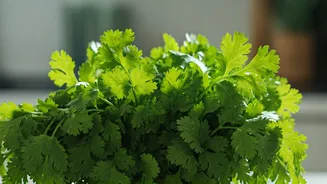
Coriander, or dhaniya, is the backbone of Indian cuisine. It’s the fresh, fragrant garnish on our dal, the essential ingredient in our chutneys, and the final flourish on our sabzis. No dish feels truly complete without it. Yet, this indispensable herb
is incredibly delicate. You bring home a perfect, perky bunch from the market, stash it in the fridge, and two days later, you’re greeted by yellowing leaves and mushy stems. The frustration is real. It’s not just about the few rupees wasted; it’s about the inconvenience of not having that essential ingredient on hand when you need it most, forcing a last-minute trip to the store or a compromise on flavour.
Why Your Dhaniya Dies So Quickly
To defeat the enemy, you must first understand it. The primary culprit behind coriander’s rapid decay is improper moisture management. The delicate leaves lose water to the dry air in your refrigerator, causing them to wilt. At the same time, if they are stored in a sealed plastic bag without proper preparation, the moisture they release gets trapped, creating a humid environment that is a perfect breeding ground for bacteria and mould. This leads to the dreaded black slime. Most of us just toss the bunch in the vegetable drawer, where it’s either too dry or too damp. The key to long-lasting coriander is creating a balanced environment that provides hydration without promoting rot.
The Simple Trick: A Bouquet for Your Fridge
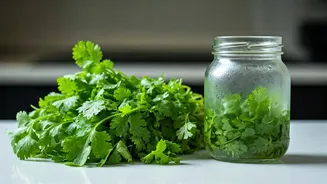
This is the game-changing method that will transform your relationship with fresh herbs. It’s simple, effective, and keeps your dhaniya fresh for up to two weeks, sometimes even three. 1. **Don't wash it yet.** Only wash coriander right before you use it. Washing it beforehand introduces excess moisture that can accelerate rot. 2. **Trim the stems.** Using a sharp knife or scissors, snip off the bottom half-inch of the stems, just like you would for a bouquet of flowers. This allows the stems to absorb water more effectively. 3. **Place it in a jar.** Find a small jar or glass and fill it with about an inch of cool water. Place the coriander bunch, stem-side down, into the jar. 4. **Cover it loosely.** Take a reusable plastic bag or a produce bag and gently place it over the leaves. Don’t seal it tightly; the goal is to create a mini-greenhouse that maintains humidity around the leaves without trapping too much moisture. 5. **Refrigerate.** Place your coriander bouquet in the fridge. Change the water every few days to keep it fresh.
The Paper Towel Alternative
If you’re short on fridge space or prefer not to have a jar of water in there, this method is also incredibly effective. The principle is the same: managing moisture. 1. **Gently wash and dry thoroughly.** Unlike the jar method, for this technique, you want to get the leaves clean and, most importantly, very dry. A salad spinner is your best friend here. If you don't have one, gently pat the leaves dry with a clean kitchen towel. Let them air dry for a bit to ensure no water droplets remain. 2. **Wrap them up.** Lay the dry coriander on a sheet of paper towel or a thin muslin cloth. Gently roll it up, creating a bundle. The paper or cloth will absorb any excess moisture, preventing slime. 3. **Store in a container.** Place the wrapped bundle inside an airtight container or a zip-top bag. Don't pack it too tightly. Store this in your refrigerator’s crisper drawer. This method should easily keep your coriander fresh for at least 10 to 14 days.
Bonus Tip: How to Revive Sad Coriander
What if you’re reading this too late and your coriander is already looking limp and lifeless? Don’t throw it out just yet! As long as it isn’t slimy or black, you can often bring it back to life. Fill a large bowl with ice and cold water. Submerge the entire bunch of coriander in the ice bath for about 15-30 minutes. The cold water will shock the plant cells, causing them to absorb water and become crisp and turgid again. It works like magic on slightly wilted herbs, giving them a second chance to garnish your favourite meal.