





Why Coorg? India’s Dark Sky Haven
Coorg, officially known as Kodagu, is a district in the southern Indian state of Karnataka, nestled high in the Western Ghats mountains. Often called the 'Scotland of India', it's famous for its rolling hills, misty landscapes, and sprawling coffee plantations.
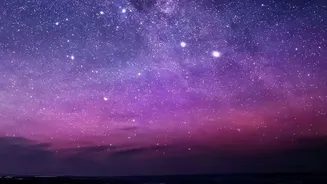
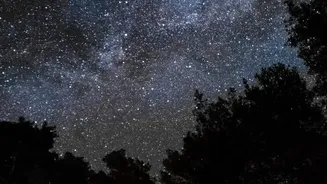
But its real magic for astronomers reveals itself after sunset. Coorg’s high altitude, sparse population, and significant forest cover create pockets of sky with exceptionally low light pollution. Some areas in southern Coorg are rated as 'Bortle 2' on a scale where 1 is a perfect dark sky and 9 is a city center. This means the Milky Way can be seen with enough detail to distinguish its dust lanes with the naked eye—a sight impossible for most city dwellers.
The Best Spots for Unfiltered Views
Not all of Coorg offers the same pristine view. The areas around the main town of Madikeri, while scenic, have more light pollution from resorts and settlements. For the best experience, venture further out. Tadiandamol, the highest peak in Coorg at over 5,700 feet, offers an unparalleled, unfiltered panorama of the heavens. The southern valleys near Srimangala and Kutta, bordering the Brahmagiri Wildlife Sanctuary, are considered the darkest and most rewarding spots for serious stargazers. Other recommended locations include the open grasslands of Mandalpatti and even the grounds of the historic Nalaknad Palace near Madikeri. Several homestays and eco-friendly resorts in these remote areas cater specifically to travelers seeking quiet and dark skies.
Timing Is Everything: When to Go
Planning your trip around the right season and lunar cycle is crucial. The ideal window for stargazing in Coorg is during the dry, clear months from November to May. The monsoon season, from June to September, brings heavy cloud cover that obstructs any celestial viewing. Within the clear season, there are two prime periods: November to January offers crisp, cool air and excellent clarity for viewing winter constellations. If seeing the brilliant core of the Milky Way is your goal, plan your visit between February and May. Always check the moon phase before you go; a new moon provides the darkest conditions, making faint stars and galaxies much more visible.
Guided Tours vs. DIY Astronomy
You have two main options for your cosmic adventure: go with a guide or explore on your own. Several local outfits and even dedicated observatories like Starscapes offer guided sessions. These often include access to powerful telescopes and expert astronomers who can point out planets, nebulae, and distant galaxies while sharing the science and mythology behind them. These tours are perfect for beginners and those wanting a deeper educational experience. Alternatively, a DIY approach offers more freedom. Find a safe, open spot away from main roads, let your eyes adjust for about 30 minutes, and use a stargazing app like SkyView or Stellarium to navigate the constellations on your own.
Your Stargazing Toolkit
Packing the right gear will make your experience more comfortable and rewarding. Dress in warm layers, as nights in the hills can get surprisingly cold, even in winter. A red light flashlight is essential; white light ruins your night vision, which takes up to 30 minutes to fully adapt to the dark. A pair of 7x50 or 10x50 binoculars can dramatically enhance your view, revealing star clusters and the Andromeda galaxy. Consider bringing a portable chair or blanket for comfort. Finally, pack a flask with a hot beverage and some snacks to stay warm and energized through the night.