







The Backbone of Urban Mobility
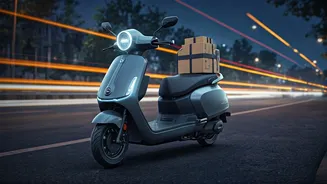
From food delivery to ride-hailing, India's gig economy is a vital force, expected to employ over 23 million people by 2030. These workers, covering 100-150 kilometres daily on petrol-powered two-wheelers, are the engine of last-mile logistics. Major
platforms like Zomato and Swiggy have already pledged to electrify their fleets, recognising that this high-mileage segment offers the quickest route to significant emission reductions. Electrifying a single delivery driver's vehicle can have four times the environmental impact of converting a private car due to their high daily usage. The transition, therefore, isn't just an option; it's a strategic necessity for meeting India's ambitious climate goals, including achieving net-zero emissions by 2070.
The High Wall of Upfront Costs
Despite the clear benefits, a formidable barrier stands in the way: the high upfront cost of electric vehicles. For a gig worker earning between ₹15,000 and ₹25,000 monthly, arranging ₹1-2 lakh for a new e-scooter is a monumental task. Traditional financing is often out of reach, as many workers lack a formal credit history, making them ineligible for standard bank loans. This forces them towards high-interest informal loans, eroding the potential savings from switching to an EV. While government schemes like FAME II and state-level subsidies offer some relief, they don't eliminate the fundamental challenge of high initial investment for a workforce with volatile income.
Charging, Swapping, and the Anxiety of Downtime
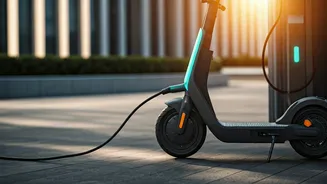
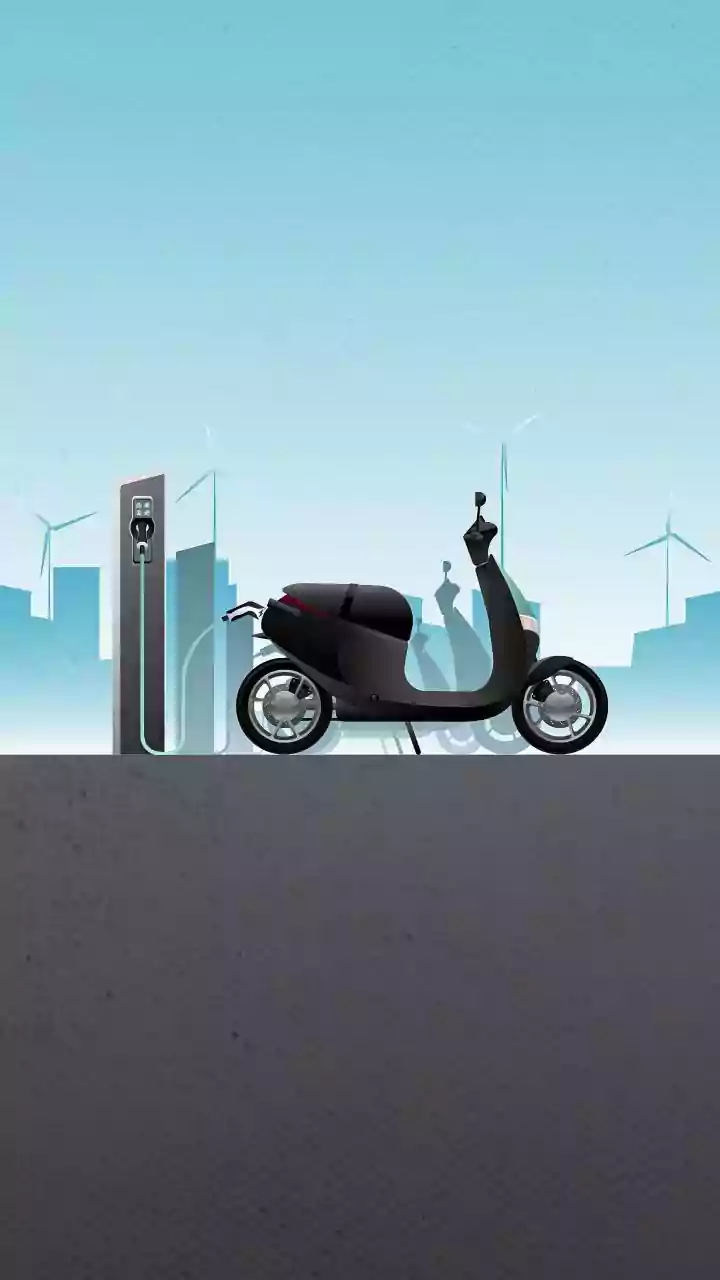
Beyond the purchase price, the lack of robust and accessible charging infrastructure is a critical hurdle. For a gig worker, time is money. Spending hours waiting for a vehicle to charge means lost earnings. This has given rise to battery-swapping services, which allow a driver to exchange a depleted battery for a fully charged one in minutes—often faster than refueling a petrol vehicle. These Battery-as-a-Service (BaaS) models are gaining traction, with startups raising over $1 billion to expand their networks. However, the ecosystem is fragmented, with a lack of battery standardisation preventing interoperability between different networks. Until a dense and standardised swapping network becomes a reality, especially outside of major metro areas, range anxiety will remain a significant deterrent.
Forging a Practical Path Forward
For the EV transition to be truly inclusive, a multi-pronged approach is essential. The focus must shift from just vehicle ownership to providing mobility as a service. Innovative models like EV-as-a-Service (EVaaS), where workers pay a weekly or monthly fee for a bundled package including the vehicle, maintenance, and battery swaps, are proving effective. This converts a high capital expenditure into a manageable operational cost, directly addressing the upfront cost barrier and de-risking the transition for workers. Financial institutions also need to design tailored loan products that consider the realities of gig work, potentially using platform earnings data to assess creditworthiness. Furthermore, policies that mandate EV adoption, like Delhi's aggregator scheme, must be synchronised with the supply-side realities of vehicle availability and charging infrastructure to avoid penalising workers.