

1. Classic Vegetable Pakoras
There is no snack more synonymous with Indian monsoons than hot, crispy pakoras. These deep-fried fritters, made with a spiced gram flour (besan) batter and assorted vegetables like onions, potatoes, and spinach, are the ultimate rainy-day indulgence.
They are quick to prepare using pantry staples. The key to crispy pakoras is a thick batter and hot oil. For an even crispier texture, some cooks add a spoonful of rice flour to the batter. Safety and Storage: Pakoras are best eaten immediately. If you have leftovers, let them cool completely before storing them in an airtight container in the refrigerator for up to two days. To reheat and bring back the crispiness, avoid the microwave as it can make them soggy. Instead, warm them in an air fryer for about five minutes or bake them in a hot oven for 10-15 minutes.
2. Comforting Masala Khichdi
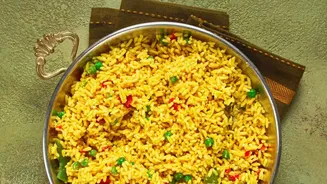
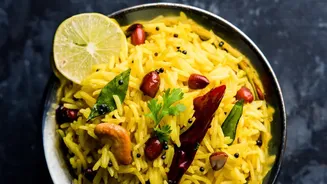
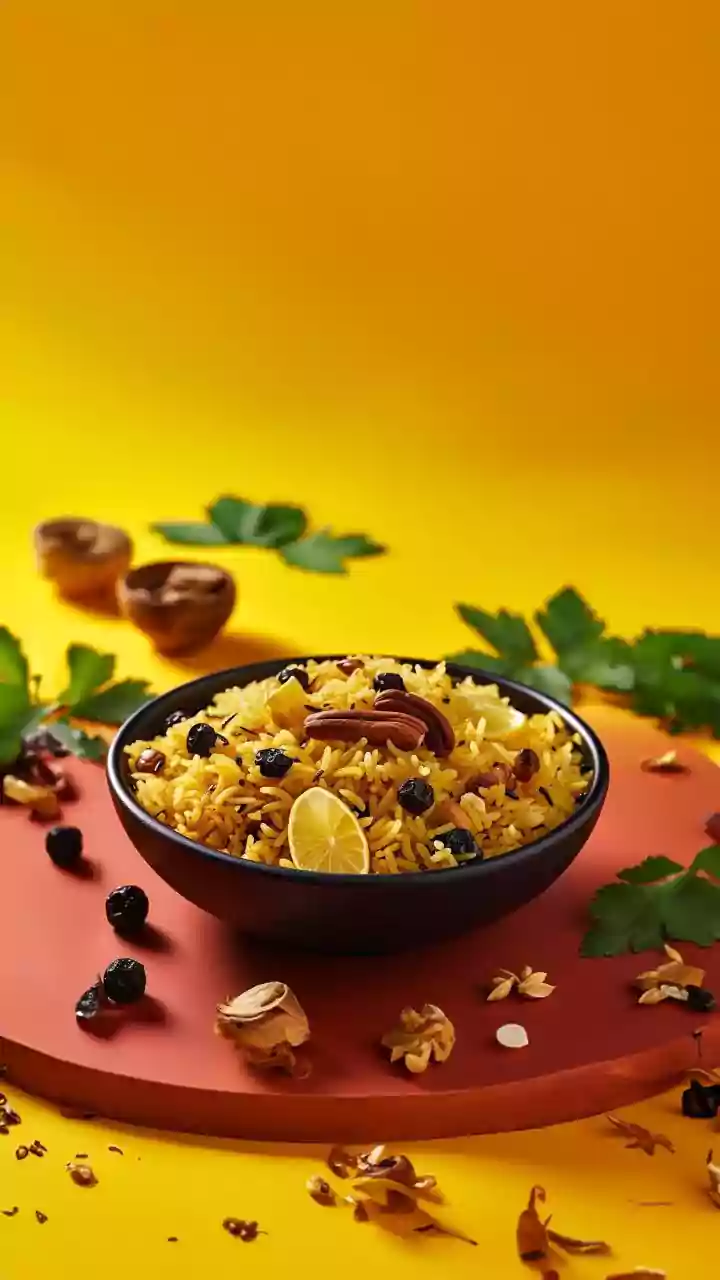
Khichdi is the quintessential Indian comfort food—a wholesome, one-pot meal of rice and lentils. It’s light on the stomach, incredibly easy to prepare, and can be customised with a variety of vegetables and mild spices. A dollop of ghee on top makes it even more satisfying on a cool, wet day. It's a complete meal that provides warmth and nourishment without much effort in the kitchen. Safety and Storage: Due to the high humidity during the monsoon, cooked food can spoil quickly. It's crucial not to leave khichdi at room temperature for more than an hour or two. For leftovers, transfer the khichdi into a clean, airtight container and refrigerate it promptly. It can be safely stored for a couple of days. When reheating, you can add a splash of water to loosen it up and make sure it is heated until steaming hot throughout. Leftover khichdi can also be repurposed into delicious parathas for your next meal.
3. Aromatic Masala Chai
A rainy day feels incomplete without a steaming cup of masala chai. This spiced tea is more than just a beverage; it’s a ritual. Brewing a pot of tea with crushed ginger, cardamom, cloves, and cinnamon fills the home with a comforting aroma. The warmth of the spices provides a wonderful contrast to the cool weather outside. Safety and Storage: While chai is always best when freshly made, you can prepare a dry spice mix (chai masala) in advance. Grind whole spices like cardamom, cloves, cinnamon, and black pepper and store the powder in a small, airtight jar. This keeps the flavours potent and makes your daily chai preparation much quicker. If you make a large batch of tea for a gathering, you can store it in a thermos for up to three hours to keep it hot, but it's not recommended to refrigerate and reheat it as the taste deteriorates.
4. Hearty Vegetable Soup
A bowl of hot vegetable soup is like a warm hug on a gloomy day. It’s an excellent way to use up any vegetables you have in your fridge. Simply sauté your favourite vegetables like carrots, beans, peas, and corn with some onion and garlic, add water or vegetable broth, and let it simmer. You can season it with salt, pepper, and herbs for a simple yet flavourful meal. It's both healthy and deeply satisfying. Safety and Storage: Soups, especially those without dairy, store very well. Allow the soup to cool down before transferring it into airtight containers. Placing a large, hot pot directly in the fridge can raise the internal temperature, risking spoilage of other foods. You can safely refrigerate vegetable soup for 3 to 4 days. For longer storage, it can be frozen for several months. Pour cooled soup into freezer-safe bags or containers, and it will be ready to thaw and reheat on the next rainy day.
5. Easy Homemade Samosas
While traditional samosas can be time-consuming, a simpler, quicker version can be just as delightful. Use ready-made pastry sheets or even bread slices with the crusts removed to create pockets. Fill them with a simple spiced potato and pea mixture. Instead of deep-frying, you can bake or air-fry them for a healthier, less messy option that still delivers that satisfying crunch. Safety and Storage: If you make a large batch of the filling, it can be stored in the refrigerator for a couple of days. Uncooked, assembled samosas can also be arranged on a tray, frozen until solid, and then transferred to a freezer bag for long-term storage. You can then fry or bake them directly from frozen. Cooked samosas can be stored in an airtight container, but like pakoras, they tend to lose their crispness. Reheat them in an oven or air fryer to revive their texture, rather than using a microwave.