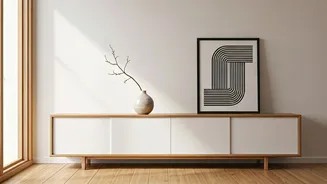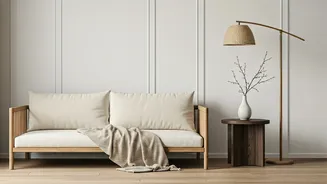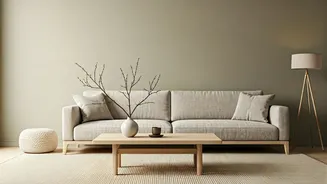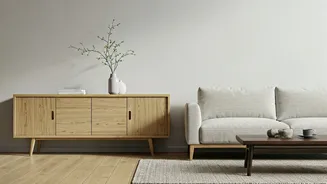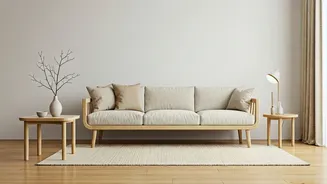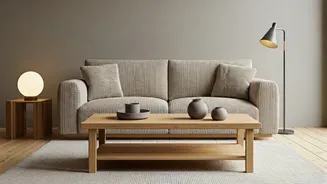

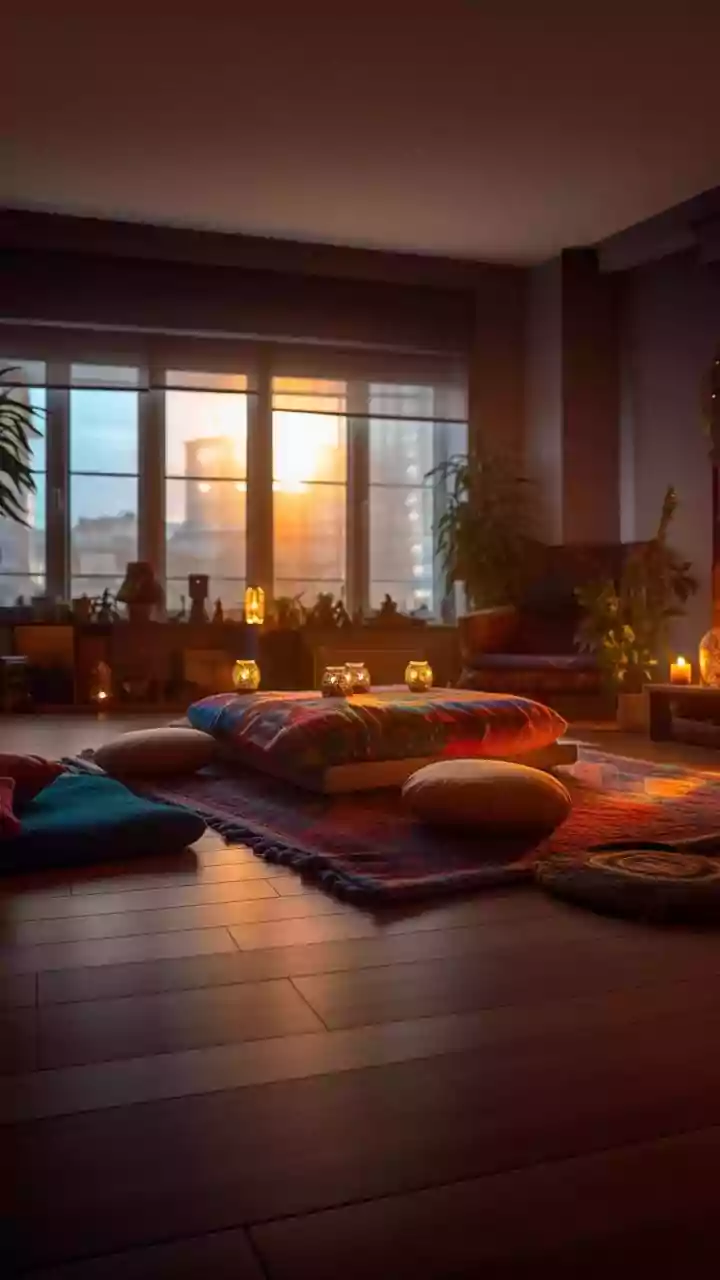
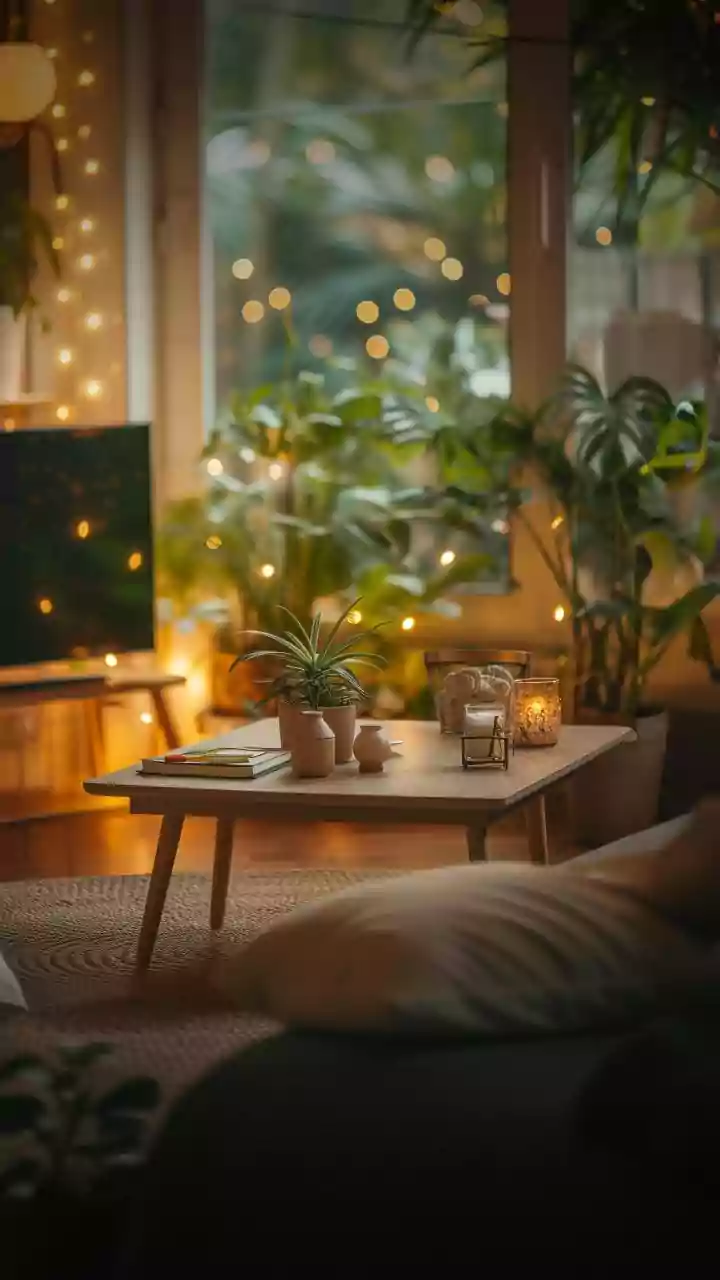
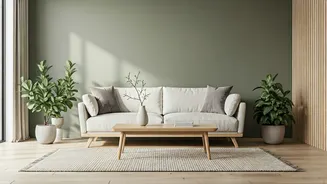
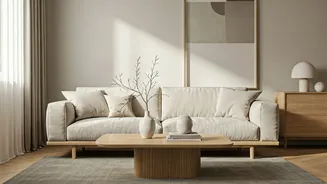
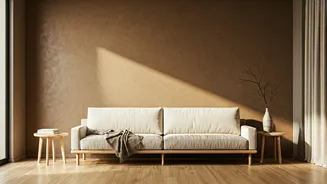


First, What Is Japandi?
Before we get to the boxes, let’s quickly decode the buzzword. Japandi is a design hybrid, a beautiful blend of Japanese minimalism and Scandinavian functionality. Think of it as the best of both worlds. From Japan, it takes the 'wabi-sabi' philosophy—finding
beauty in imperfection, simplicity, and natural materials. From Scandinavia, it borrows 'hygge'—the emphasis on cosiness, comfort, and clean lines. The result is a style that feels uncluttered yet warm, modern yet timeless. It’s not about having less for the sake of it; it's about choosing pieces that are both beautiful and useful, creating a calm and intentional living space.
The Allure of the Vintage Box
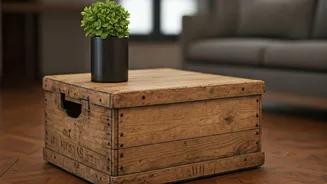
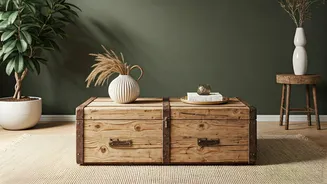
Now, enter the hero: the vintage box. This isn't just any old container. We’re talking about old wooden chests, rustic shipping crates, or even the classic metal trunks ('sandooks') that hold generations of memories in many Indian homes. For years, these pieces were often relegated to storage in attics or basements. But designers and DIY enthusiasts are now pulling them into the spotlight. Why? Because they carry a story. Every scratch, dent, and faded label tells a tale of its past life. In a world of mass-produced furniture, a vintage box offers character, history, and a touch of authenticity that you simply can't buy new. It’s also an act of sustainable chic—upcycling what already exists instead of consuming more.
A Perfect Marriage of Style
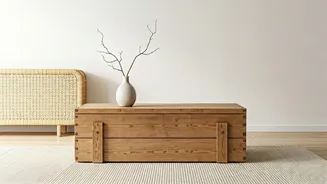
Here’s why Japandi and vintage boxes are a match made in design heaven. The core Japandi principle of wabi-sabi is perfectly embodied by a weathered, imperfect vintage box. The rustic wood or patinated metal provides the natural, textured element that Japandi interiors crave. At the same time, the simple, geometric form of a box—a cube or a rectangle—aligns perfectly with the clean lines of both Japanese and Scandinavian design. It doesn't scream for attention; its quiet confidence draws you in. By placing a rustic box in a minimalist setting, you create a powerful focal point that balances the old with the new, the rough with the smooth.
Why the Coffee Table?
The trend specifically centres on the coffee table because it's the anchor of the living room. It's a high-impact, low-effort design move. You don't need to redecorate your entire home to embrace the Japandi spirit. By simply swapping your conventional coffee table for a vintage trunk or crate, you instantly inject personality and style into your space. It's a statement piece that is also incredibly practical. Many of these boxes and trunks open up to provide hidden storage—a huge bonus for keeping a minimalist space tidy. You can store blankets, magazines, remote controls, or kids' toys inside, maintaining a clean surface and an uncluttered room.
How to Get the Look Right
Inspired to try it yourself? The key is balance. If you find a beautiful old sandook or wooden crate, don’t overwhelm it. Let the box be the star. Keep the styling on top minimal: a single ceramic vase with a sprig of green, a couple of art books, or a simple candle tray is all you need. Pair the table with a neutral-coloured sofa and a soft, textured rug to enhance the cosy, hygge feel. Look for boxes that are the right height for a coffee table (typically 16-18 inches). If it's too low, you can add small, discreet legs. If you're sourcing one, check local flea markets, antique shops, or even your own family's storage. Just ensure it's cleaned and, if necessary, sealed with a matte varnish to prevent splinters without adding an artificial shine.