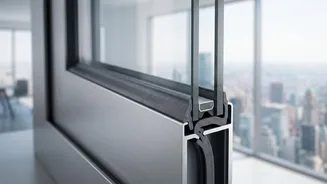







As temperatures drop, creating a cozy, sealed-off room or patio enclosure is a perfect way to extend your living space. But while you're keeping the cold out, you're also trapping stale air in, leading to a significant build-up of indoor dust.
The Sealed Room Effect
Modern homes
and room enclosures are designed for energy efficiency. This means they are built to be airtight, preventing precious heat from escaping during the winter months. While this is great for your energy bills, it comes at a cost to your indoor air quality. Without natural ventilation from open windows or drafty frames, the air inside has nowhere to go. This creates a closed loop where the same air is constantly recirculated. Research shows that indoor air can become two to five times more polluted than outdoor air, a problem that gets significantly worse in winter when homes are sealed for long periods. Every particle of dust, dander, and other pollutants generated inside the home stays there, accumulating over time.
It Is More Than Just Dust
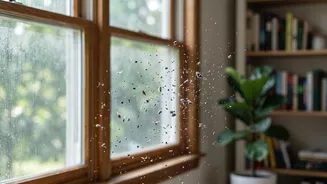
While visible dust is a clear indicator of stale air, it's only part of the problem. A sealed indoor environment traps a wide range of invisible pollutants. Daily activities release contaminants into the air. Cooking produces fine particulate matter, cleaning products emit volatile organic compounds (VOCs), and even breathing releases carbon dioxide and moisture. Other common indoor pollutants include pet dander, mould spores that thrive in damp areas, and allergens that get kicked up and recirculated by heating systems. In an unventilated space, the concentration of these substances can steadily increase, potentially affecting everything from comfort to respiratory health.
The Role Of Mechanical Filtration
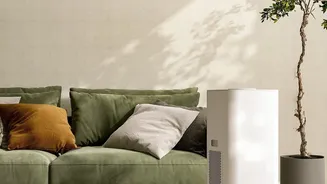
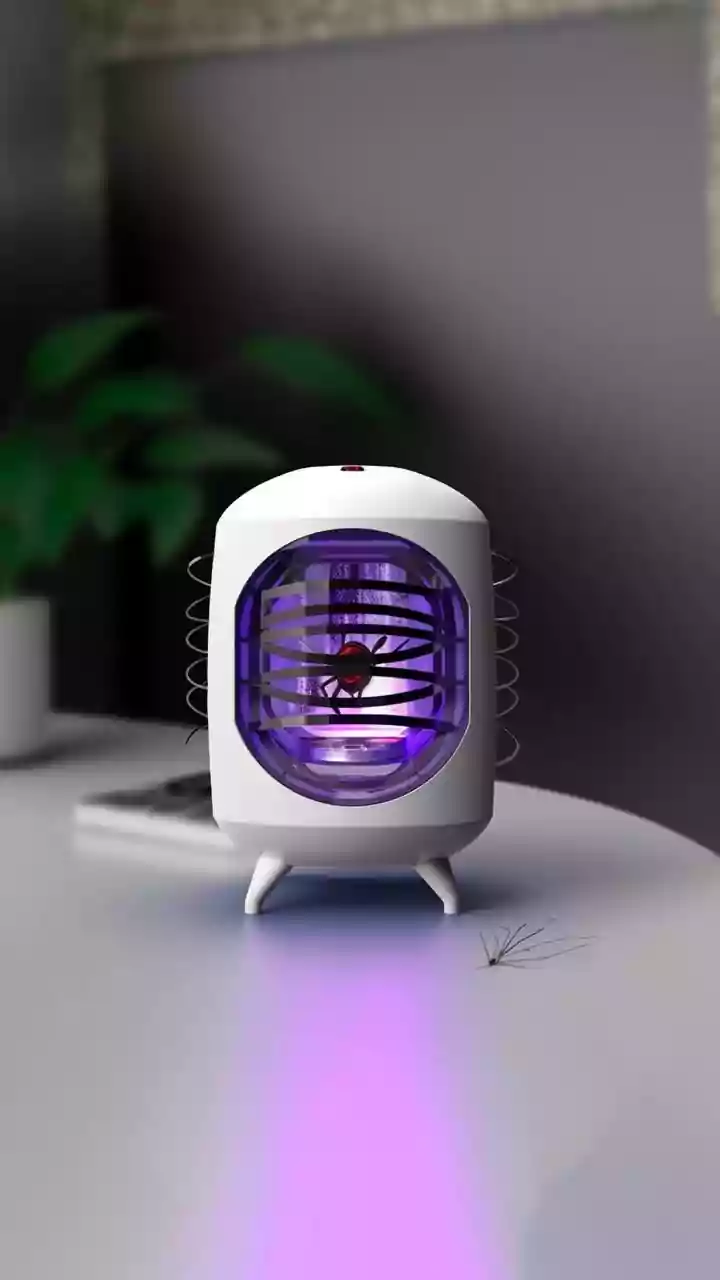
Since opening windows isn't always practical in the cold, the most effective solution for removing trapped particles is mechanical filtration. This is where air purifiers come in. These devices work by drawing in the room's air and passing it through a series of filters designed to capture airborne contaminants. Unlike natural ventilation, which can be haphazard, a good air purifier offers a controlled, consistent method for cleaning the air. By continuously cycling the air, it actively removes the dust, pollen, pet dander, and mould spores that would otherwise settle on surfaces or remain suspended for you to breathe in. This becomes essential in a sealed winter room where pollutants have no other way to escape.
Choosing The Right Filter
Not all filters are created equal. For capturing fine dust and other microscopic particles, the gold standard is the HEPA (High-Efficiency Particulate Air) filter. As defined by the U.S. Department of Energy, a true HEPA filter can theoretically remove at least 99.97% of airborne particles with a size of 0.3 microns. This includes dust, pollen, mould spores, bacteria, and other common allergens. When shopping for an air purifier, look for one that explicitly states it uses a HEPA filter. For your home's central HVAC system, you can check the filter's MERV (Minimum Efficiency Reporting Value) rating. A higher MERV rating indicates better filtration of smaller particles, with MERV 13 being a commonly recommended level for residential homes.
Beyond The Filter: Other Smart Habits
While a mechanical filter is your primary line of defence, a few other habits can help maintain better air quality. When the weather allows, even opening windows for just 10–15 minutes can help flush out stale air and reduce humidity. Regular cleaning is also crucial; vacuuming with a HEPA–filter vacuum and dusting with a damp cloth can remove particles that have already settled on surfaces. Finally, be mindful of the sources of indoor pollution. Opt for low–VOC cleaning products and paints where possible, and ensure kitchen and bathroom exhaust fans are used to vent moisture and fumes directly outside.