







What Exactly Is AI-Powered Skincare?
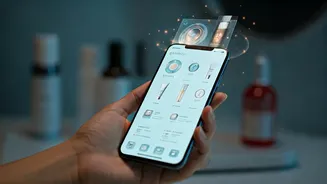
For years, 'personalisation' in skincare meant taking a simple online quiz about your skin type. But artificial intelligence is taking this to a much deeper level. AI-powered skincare uses complex algorithms, often through a smartphone app, to analyse
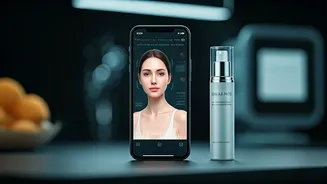
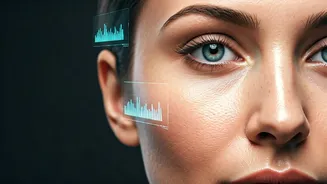
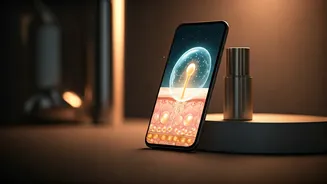
your skin in real time. By taking a selfie, the AI can assess various factors like wrinkles, fine lines, dark spots, pore size, texture, and moisture levels. It moves beyond self-assessment, which can often be inaccurate, to provide a data-driven snapshot of your skin's health. This technology is no longer just for high-end clinics; it's rapidly becoming a tool for major beauty brands to offer hyper-personalised recommendations directly to consumers.
How Does It Actually Work?
The process is surprisingly straightforward for the user. You typically download a brand's app or use a web-based tool, take a photo of your face, and let the technology do the work. The AI, trained on vast databases of images, uses computer vision to detect and map skin concerns. Some advanced platforms can identify over 15 different issues, from redness to radiance levels. Based on this detailed analysis, the algorithm then cross-references your specific skin condition with a catalogue of products and ingredients. Instead of you guessing which serum might work, the AI recommends a specific formulation or a complete routine tailored to address your identified needs, effectively taking the trial-and-error out of shopping.
The Promise of Hyper-Personalisation
The main benefit of AI in skincare is its precision. It promises to end the cycle of buying products that don't work for you, which saves time, money, and reduces waste. For consumers in India, this means getting recommendations that can be tailored to local climate conditions and common concerns. Several AI-powered skincare apps and brands are already active in the Indian market, such as CureSkin, Skin Beauty Pal, and the newly launched NXTFACE, which is specifically aimed at Gen Z. These platforms not only suggest products but can also help track your skin's progress over time, allowing the routine to evolve as your skin changes. This creates a dynamic relationship with your skincare, something static, one-size-fits-all products could never offer.
Beyond the Hype: Limitations and Concerns
While the technology is impressive, it's not without its challenges. A primary concern is data privacy. These apps collect sensitive facial data, which is often classified as biometric information under privacy laws. Brands must be transparent about how this data is stored and protected to maintain consumer trust. Another major issue is algorithmic bias. If an AI is trained on a dataset that isn't diverse in terms of skin tones and types, its analysis may be inaccurate for people with darker skin, potentially misidentifying concerns. Furthermore, while AI can analyse skin appearance, it cannot diagnose medical conditions. These tools are meant to assist with cosmetic choices, not replace the expert advice of a dermatologist for health issues.
The Future of Your Bathroom Shelf
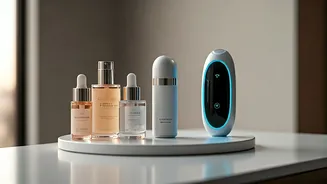
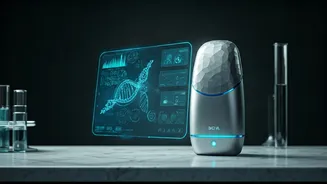
The integration of AI into beauty is only just beginning. The global market for AI in beauty is growing rapidly, with some estimates projecting a compound annual growth rate of around 17%. We can expect to see more smart devices, like AI-powered cleansing brushes and LED masks that customise treatments based on daily skin readings. Some companies are even pairing AI with augmented reality (AR) for virtual makeup try-ons, allowing you to see how a foundation or lipstick will look on your skin before you buy. This blend of AI analysis and AR visualisation is creating a more interactive and confident shopping experience. The 'lady behind the counter' is being replaced by an algorithm in your pocket, ready to offer advice 24/7.