





The Illusion of Convenience
The allure of a packaged breakfast cereal is undeniable: it’s fast, it’s easy, and it often promises a flurry of added vitamins and minerals. However, this convenience frequently comes at a cost. Many popular cereals are highly processed, stripping the
original grains of their natural fibre and nutrients, which are then often added back synthetically. The result is a breakfast high in refined carbohydrates and sugars that can lead to a rapid spike in blood sugar, followed by a familiar mid-morning crash — leaving you feeling tired and hungry long before lunchtime.
The Power of Sustained Energy
This is where millets—like ragi, jowar, and bajra—truly shine for the busy professional. Unlike processed cereals, millets are complex carbohydrates with a low glycemic index (GI). This means they release energy slowly and steadily into your bloodstream, preventing those disruptive sugar spikes and crashes. A breakfast built on millets provides sustained fuel, keeping you focused and productive throughout your demanding morning, whether you're in back-to-back meetings or navigating a hectic commute.
A Nutritional Powerhouse
Beyond just energy, millets offer a far superior nutritional profile. They are naturally rich in dietary fibre, which aids digestion and promotes a feeling of fullness, helping to curb unhealthy snacking. Millets are also packed with essential minerals like iron, magnesium, and calcium. Finger millet (ragi), for example, is an excellent plant-based source of calcium. While cereal boxes boast about fortification, millets provide these nutrients naturally, in a form your body can more readily use.
Wait, But Is It Actually Fast?
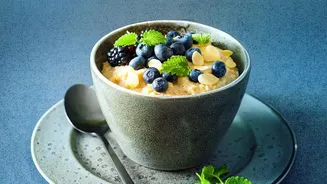
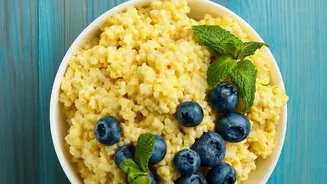
The biggest hesitation for urban dwellers is often preparation time. The perception is that traditional grains are slow and cumbersome. But the modern millet revival has solved this. Ready-to-cook millet flakes can be prepared like poha or a porridge in under 15 minutes. You can make a creamy ragi porridge in about 10 minutes. Many also embrace make-ahead strategies, such as overnight millet porridge or preparing a batch of millet upma that can be quickly reheated for a few days, making it just as convenient as any packaged option.
More Than Food: A Cultural and Sustainable Choice
Embracing millets is about more than just personal health; it's a connection to heritage and a vote for sustainability. These ancient grains are part of India's culinary history, and their revival brings a sense of authenticity to the modern urban plate. Environmentally, millets are a smarter choice. They are climate-resilient crops that require significantly less water than rice and wheat and can grow in poor soil with fewer pesticides. Choosing millets supports local farmers and promotes a more sustainable agricultural system.