
The dream of Peru often involves misty mountains and ancient Inca cities. But the reality can include long queues and crowded viewpoints. Here’s what you need to know about navigating the country's most popular sites to have a truly great trip.
The Reality of 'Overtourism' in Peru
While Peru
as a whole is not necessarily overrun, its most famous attractions certainly are. Overtourism here is concentrated, meaning iconic sites like Machu Picchu, parts of the Sacred Valley, and Rainbow Mountain experience intense visitor traffic. This can lead to a less-than-magical experience, where the struggle for a clean photo replaces quiet contemplation. The good news is that with smart planning, you can manage the crowds and even escape them entirely. The key is to understand the systems in place, manage your expectations, and be open to exploring beyond the postcard-perfect locations everyone else is flocking to.
Machu Picchu: How to Do It Right
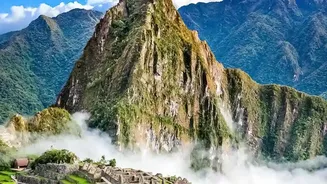
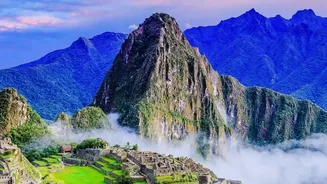
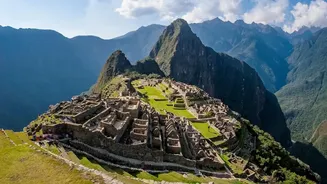
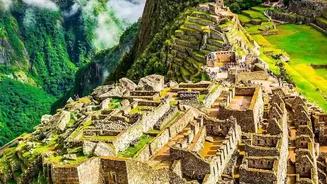
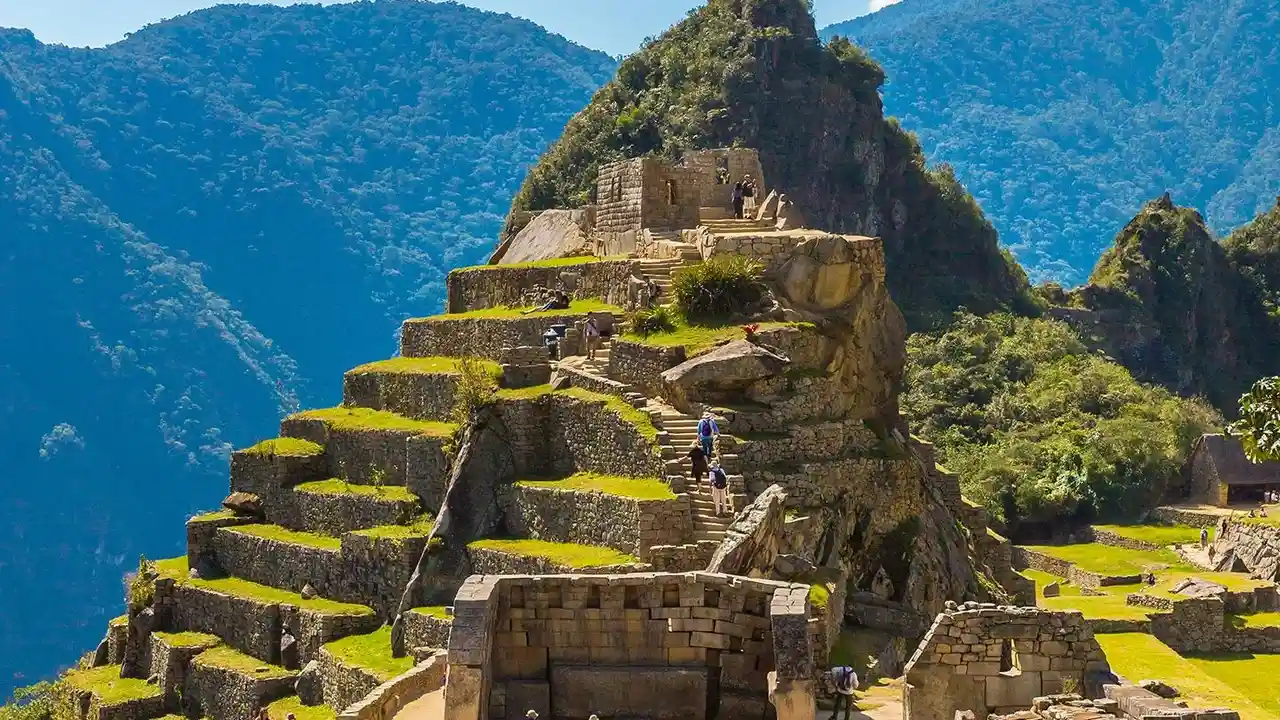
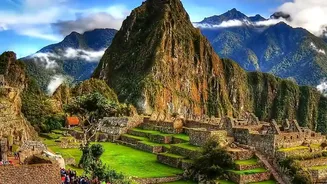
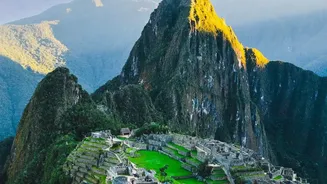
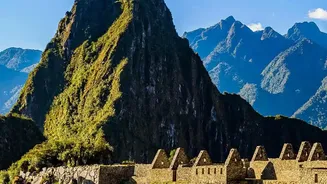
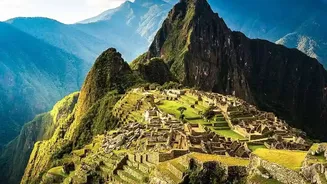
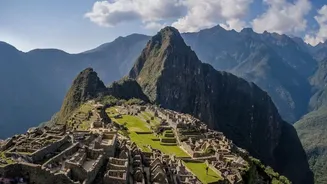
Machu Picchu is magnificent, but a spontaneous visit is impossible. Access is strictly controlled with timed tickets, mandatory circuits, and a limited number of daily visitors to preserve the fragile ruins. As of late 2026, the reservation system was eliminated in favor of direct-purchase tickets with a 15-minute payment window to combat ticket hoarding by agencies. Your visit is generally limited to about 2.5 to 4 hours, and you must follow a specific, one-way path. To make the most of it, book your tickets at least two months in advance, especially for high season (June-November). Consider an afternoon time slot, which is often less crowded than the morning rush. Hiring a licensed guide is not only required for certain entry types but also enhances the experience by providing historical context you would otherwise miss.
Rainbow Mountain: Is It Worth the Hype?
Vinicunca, or Rainbow Mountain, became an Instagram sensation almost overnight, leading to a massive influx of tourists. The high altitude (over 5,000 meters) makes it a physically demanding trek, and the trail has suffered from significant erosion due to heavy foot traffic. Crowds can reach up to a thousand people a day, creating queues for the classic photo spot. While the sight is unique, the experience can feel rushed and commercialized. For a similar, less crowded view, consider visiting Palccoyo, often called the 'alternative' Rainbow Mountain. It offers three distinct striped mountains with gentler, shorter trails. Another nearby option is the Red Valley, a stunning landscape of deep crimson terrain that many visitors to Vinicunca miss.
Beyond the Big Names: Authentic Alternatives
Peru’s historical riches extend far beyond Machu Picchu. The Sacred Valley itself is dotted with spectacular and less-crowded Inca sites. Huchuy Qosqo ('Little Cusco') is a stunning royal estate accessible via a rewarding hike, offering incredible views without the crowds. The ruins at Pisac and Ollantaytambo are extensive and fascinating, especially if visited in the morning before the tour buses arrive. For the truly adventurous, the sprawling fortress of Kuelap in northern Peru, built by the pre-Inca Chachapoya culture, offers a completely different experience. Further afield, sites like the adobe city of Chan Chan or the ancient temples of Chavín de Huántar showcase the sheer depth of Peru's pre-Columbian history.
How to Be a Better Traveller
Travelling responsibly in Peru not only improves your own experience but also helps preserve its cultural and natural heritage for the future. Whenever possible, travel during the shoulder seasons (April–May and September–October) to avoid the biggest crowds. Prioritize hiring local guides and buying from local artisans to ensure your money directly supports the community. Respect the rules at archaeological sites by staying on marked paths and not touching the ancient stonework. Opting for eco–friendly lodges and tour operators who practice sustainable tourism helps minimize your environmental impact and supports conservation efforts. A little mindfulness goes a long way in ensuring Peru's wonders remain for generations to come.