
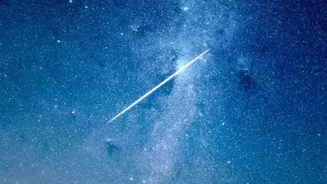

Understanding the Autumn Showers
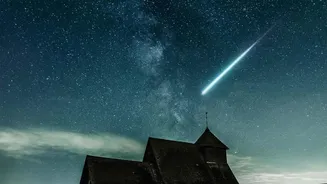
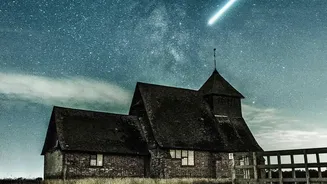
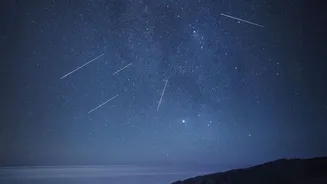
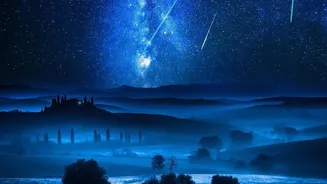
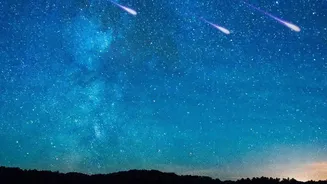
Meteor showers occur when Earth passes through trails of debris left by comets or asteroids. These tiny particles burn up in our atmosphere, creating the fleeting streaks of light we call 'shooting stars'. While many showers occur throughout the year,
the Perseids and Orionids are two of the most reliable and spectacular. The Perseids, born from Comet Swift-Tuttle, are famous for their bright, fast meteors. The Orionids, which originate from the debris of the iconic Halley's Comet, are known for their speed and occasional bright fireballs that leave persistent trails.
Mark Your Calendar for 2026
Timing is everything. For 2026, the Perseid meteor shower's peak has already passed, having occurred on the nights of August 12-13. The good news is that viewing conditions were excellent due to a new moon, so make a note for next August. However, the main event for this autumn is the upcoming Orionid meteor shower. The Orionids are active from early October to early November. The peak for 2026 is expected in the pre-dawn hours of October 21-22. Unfortunately, a waxing gibbous moon will be present this year, which may wash out some of the fainter meteors. Despite this, it's still worth watching for the brighter ones, especially after midnight when the shower's radiant point in the constellation Orion is high in the sky.
Escape the City's Glare
The single most important factor for a successful stargazing trip is getting away from light pollution. In major cities and towns, artificial light from buildings and streetlights creates a dome of brightness that washes out all but the brightest stars. A sky rated Bortle Class 7-9 in a city might show you only a few dozen stars, whereas a Bortle Class 2-3 site, found in remote areas, reveals thousands. For meteor showers, this difference is crucial. You don't need to travel to a designated observatory; simply driving an hour or two away from a major urban centre can dramatically improve your view.
Finding Your Dark Sky Spot in India
India's diverse geography offers many excellent options for escaping city lights. High-altitude cold deserts like Ladakh and Spiti Valley offer some of the darkest, clearest skies in Asia. Locations like Hanle in Ladakh have even been designated as India's first Dark Sky Reserve. If a Himalayan trip isn't feasible, consider other remote locations. The vast salt flats of the Rann of Kutch in Gujarat, the quieter parts of the Western Ghats near Coorg, or hill stations like Narkanda in Himachal Pradesh are all excellent choices. Even coastal areas, provided you are far from resorts and towns, can offer a surprisingly dark horizon. The key is to find a spot with a wide, unobstructed view of the sky, away from direct sources of light.
Your Stargazing Toolkit
The best part about watching a meteor shower is that you don't need any special equipment. Your eyes are the best tool for the job. However, a few items can make the experience more comfortable and rewarding. First, dress in warm layers. Even on a pleasant night, sitting still for hours can make you feel cold. Bring a blanket, a reclining chair, or a mat so you can lie back comfortably without straining your neck. Pack some snacks and a warm beverage. To preserve your night vision, use a red-light torch instead of a bright white one; it takes about 20-30 minutes for your eyes to fully adapt to the dark, and a flash of white light can reset the process instantly.
The Simple Art of Watching
Once you've found your spot and settled in, the final step is patience. After letting your eyes fully dark-adapt, simply lie back and look up. While the meteors appear to radiate from the constellation Orion, you don't need to stare at that specific point. In fact, meteors can appear anywhere in the sky, and their trails will be longer and more dramatic farther from the radiant. The best strategy is to take in as much of the sky as possible. Put away your phone, relax, and give the universe your full attention. The longer you watch, the more shooting stars you are likely to see, turning a simple night into a magical cosmic display.