

From Maximalist to Minimalist Luxury
For years, the hallmark of a grand Indian celebration, especially a wedding, was opulence measured in scale. Think towering, elaborate stage backdrops, heavy draping, and complex structures that filled every inch of a venue. While stunning, this maximalist
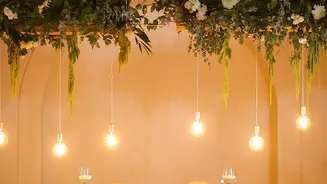
approach is now sharing the spotlight with a new trend: minimalist luxury. Modern couples and event planners are increasingly choosing clean designs, soft colour palettes, and elegant setups that create a premium feel without overwhelming the space. The focus has shifted from building massive, temporary architecture to creating an atmosphere. Instead of complex constructions, the trend favours letting a few high-quality statement pieces, or even the venue's natural beauty, shine through. This approach isn't about reducing grandeur but redefining it as something more personal and curated.
Letting the Flowers Do the Talking
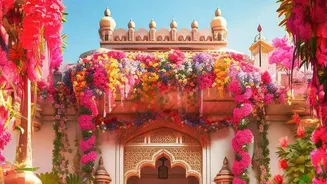
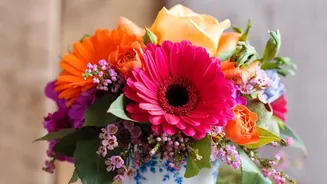
In this new aesthetic, flowers are no longer just an accessory; they are the main event. Decorators are creating bold, large-scale floral installations that become the central design element. Imagine walking through a tunnel of cascading roses, getting married under a mandap where the pillars themselves seem to be grown from fresh blooms, or dining under a massive chandelier of jasmine and orchids. This flower-forward approach uses mass and texture for impact. Designs might feature a single type of flower, like a wall made entirely of white roses or a mandap draped exclusively in marigolds, to create a powerful visual statement. Traditional Indian flowers like marigold, jasmine, and tuberose are being used on a luxury scale, while global favourites like orchids, hydrangeas, and peonies add a contemporary touch. The structure becomes a simple canvas—a clean arch or a delicate frame—designed purely to showcase the natural artistry of the blooms.
The Rise of Conscious Celebrations
This shift towards simplicity is driven by more than just changing tastes. A growing consciousness around sustainability is playing a major role. Couples are increasingly asking about the environmental footprint of their big day, seeking to reduce waste from single-use decor elements like synthetic fabrics and non-biodegradable structures. Simpler structures often translate to more biodegradable materials, such as bamboo frames or wooden elements, that align with eco-friendly values. Sourcing flowers locally is also a key part of this movement. Using blooms from nearby farms in places like Ooty or Mysore reduces the carbon footprint associated with flying in exotic flowers from across the globe. This conscious choice doesn't mean sacrificing beauty; in fact, it often results in designs that feel more authentic and connected to the local landscape. After the event, this floral-heavy decor can often be composted, further minimising waste.
A Personal and Practical Choice
Beyond aesthetics and ethics, the move towards simpler structures with impactful florals is also deeply practical. It allows for greater personalisation. When the decor isn't locked into a massive, pre-fabricated set, there's more room for a couple's story to shine through. The focus can be on creating unique, memorable experiences for guests, like a stunning floral photo booth or a fragrant, flower-lined aisle that feels both intimate and grand. While not always a cheaper option—especially given the cost of high-quality, unique blooms—this approach allows for a more strategic allocation of the decor budget. Instead of spreading funds across vast structural elements, the investment goes directly into what guests see and experience up close: the beauty, colour, and fragrance of thousands of fresh flowers. It is a choice for a wedding that feels less like a production and more like a personal, natural, and unforgettable celebration.