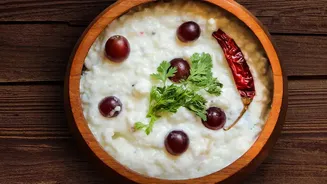




As winter arrives, a familiar debate unfolds in many Indian homes: should you eat curd? While many cherish this dietary staple, an age-old belief warns against it during colder months. So, where does the truth lie? Let's unravel the facts.
The Traditional Winter Warning
According to
Ayurveda, curd has properties that can increase 'Kapha' dosha, which is associated with mucus and respiratory congestion. This is the primary reason many advise against it, especially at night or for those prone to colds and coughs. The logic is that its cooling nature, particularly when taken straight from the refrigerator, could aggravate throat irritation and lead to more mucus production. This traditional view prioritises keeping the body warm and balanced, suggesting that cold foods might disrupt this equilibrium during the chilly season.
Modern Nutrition's Counterpoint
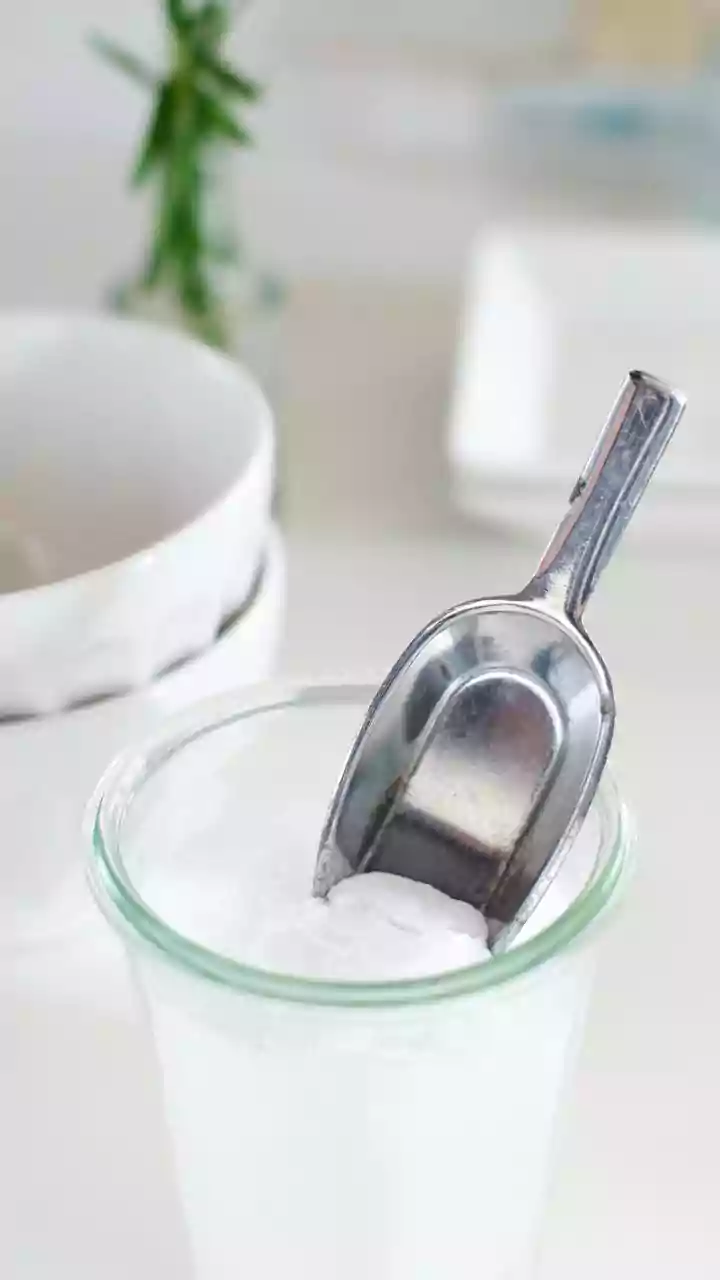
From a modern nutritional standpoint, the idea that curd causes colds is largely considered a myth. Colds and flu are caused by viruses, not by eating a particular food. In fact, experts highlight that curd is a nutrient-dense powerhouse. It's packed with high-quality protein, calcium, magnesium, phosphorus, and essential B vitamins like B12. These nutrients are vital for overall health, especially in winter when our bodies need extra support. Scientific evidence does not establish a direct link between curd consumption and respiratory infections for the general population.
A Surprising Boost for Your Immunity
One of the most significant benefits of eating curd in winter is its probiotic content. Probiotics are live, beneficial bacteria that are crucial for maintaining a healthy gut microbiome. A robust gut is directly linked to a strong immune system. These 'good bacteria' help enhance your body's ability to fight off infections and illnesses, which is particularly beneficial during winter when the risk of catching a cold or flu is higher. Studies suggest that regular consumption of probiotic-rich foods may even help reduce the duration of respiratory infections.
More Than Just Gut Health
Beyond immunity, curd offers several other winter wellness perks. It's an excellent source of calcium and vitamin D, which are essential for maintaining bone density and strength—an important factor when colder weather might lead to a more sedentary lifestyle. The protein in curd promotes a feeling of fullness, which can help with weight management by preventing overeating during the festive season. Furthermore, curd can contribute to skin health; its natural moisturising properties can help combat the dryness that winter weather often brings.
Who Should Be Cautious?
While curd is safe for most, some individuals should exercise caution. People with pre-existing respiratory conditions like asthma, sinus issues, or those who are actively suffering from a cold and cough might find that it worsens their symptoms. This is less about the curd itself and more about its temperature and tendency to thicken existing mucus for some people. Ayurvedic principles also advise those who are naturally prone to coughs to avoid it. The key is to listen to your body; if you notice curd aggravates your symptoms, it’s best to steer clear.
The Smart Way to Eat Curd in Winter
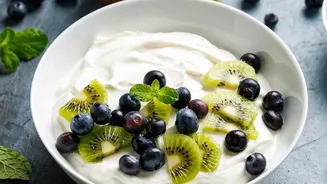
You don't have to give up curd entirely. The trick lies in how you consume it. Experts on all sides agree on one thing: avoid eating curd directly from the refrigerator. Allow it to come to room temperature before eating. The best time to have it is during the day, preferably with your lunch, when your digestive fire is at its strongest. Avoid it at night, as metabolism slows down. You can also make it more winter-friendly by mixing in warming spices like roasted cumin powder, black pepper, or a little ginger. Pairing it with warm rice or incorporating it into warm dishes can also balance its cooling effect.