






The Silent, Green Invasion
In the rich biodiversity hotspot of the Western Ghats, foreign plants are staging a hostile takeover. Species like Senna spectabilis, with its deceptive yellow flowers, Lantana camara, and Mikania micrantha are spreading aggressively. Introduced decades
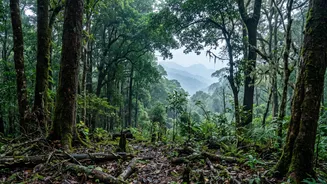
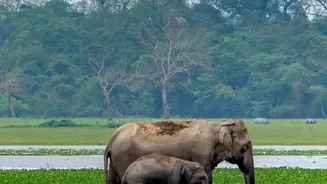
ago for ornamental or social forestry purposes, these plants create what scientists call a 'green desert'. Their dense growth blocks sunlight, preventing native grasses and plants from growing. This in turn depletes food sources for herbivores, from deer to elephants, disrupting the entire food web and increasing human-wildlife conflict as animals venture out of forests for food. The problem is widespread, affecting fragile ecosystems in wildlife sanctuaries across Kerala, most notably in Wayanad.
Eyes in the Sky and Data on the Ground
Tracking the spread of these invaders across vast, often inaccessible terrain requires a multi-pronged approach. Ecologists are increasingly using remote sensing technologies like satellite imagery and Unmanned Aerial Vehicles (UAVs), or drones, to get a bird's-eye view. These tools can produce high-resolution maps showing the location and density of invasive plant clusters, like the notorious Senna spectabilis. By analysing vegetation indices from satellite data, researchers can detect changes over time and even predict where infestations might spread next. This high-tech surveillance is complemented by Geographic Information System (GIS) mapping apps, which allow forest staff and researchers on the ground to collect and upload real-time data on new infestations, creating a detailed, shareable map of the threat.
Boots on the Ground and Hands-On Science
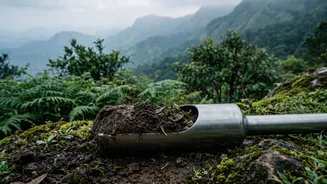
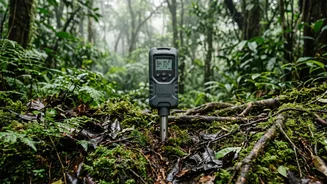
Technology alone isn't enough. The core of the tracking effort remains 'boots on the ground' fieldwork. Ecologists and forest department staff conduct painstaking on-road and deep-forest surveys, walking transects to identify species, measure the extent of their spread, and assess their ecological impact. This involves examining everything from plant density to the impact on native fauna. One study even tracked the dispersal of Senna spectabilis seeds by analysing the dung of elephants and deer, revealing how these native animals unwittingly help the invader spread. Back in the lab, scientists at institutions like the Kerala Forest Research Institute (KFRI) use tools such as DNA analysis to confirm the identity of new species and understand their genetic pathways, providing crucial information for management strategies.
The Power of Community Knowledge
Perhaps the most critical element in this fight is the involvement of local and indigenous communities. Forest-dwelling tribal groups possess generations of Traditional Ecological Knowledge (TEK). Their intimate understanding of the forest—knowing which plants belong and which are new and disruptive—makes them an invaluable early warning system. Organisations and the Forest Department are increasingly partnering with these communities, training them as 'barefoot ecologists' and involving them in monitoring and restoration efforts. In regions like the Periyar Tiger Reserve, Eco-Development Committees (EDCs) formed with local people, including former poachers, now help patrol forests, report new invasions, and lead removal efforts, turning protectors from predators.
A Constant, Coordinated Battle
The tracking and monitoring data all feed into a larger goal: control and eradication. The approach must be scientific and relentless. For a species like Senna spectabilis, KFRI has developed a threefold method: large trees are debarked to stop growth, saplings are uprooted with special tools, and emerging plantlets are mechanically removed. This is followed by long-term monitoring to prevent regrowth and planting native species to restore the habitat. These efforts are resource-intensive and face challenges from Kerala's rugged terrain and the sheer reproductive power of the invasive plants. The state's biodiversity board has submitted a strategic plan to the government, emphasising prevention, monitoring, and public awareness to manage the menace effectively.