
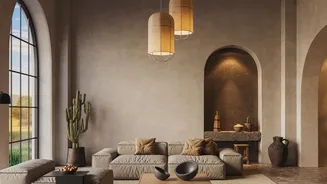
The Great Beige Fade-Out
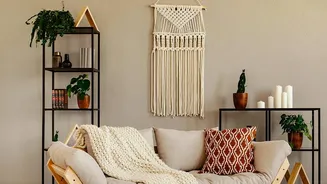
The era of the 'sad beige' or 'greige' interior, characterized by its monochromatic and often flat appearance, is officially on the wane. After a decade dominated by minimalist and Scandinavian influences that prized calm and clutter-free spaces, there's
a growing appetite for homes that feel more personal, layered, and vibrant. Designers and homeowners are now moving towards palettes that incorporate deeper, more complex hues like moody blues, forest greens, and warm, earthy terracottas. This trend reversal is driven by a collective desire for self-expression and authenticity. People want their homes to tell a story, reflecting their personalities and experiences rather than conforming to a uniform, algorithm-friendly aesthetic. The result is a pushback against spaces that feel impersonal or overly curated, in favour of rooms filled with character, colour, and contrast.
Natural Materials in the Neutral Era
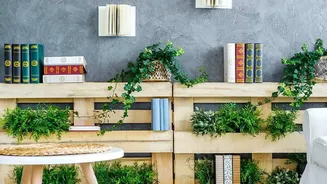
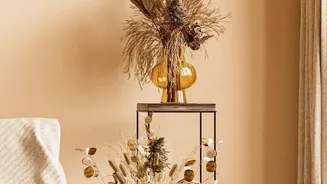
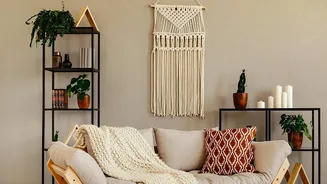
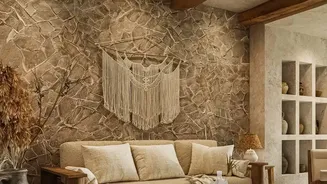
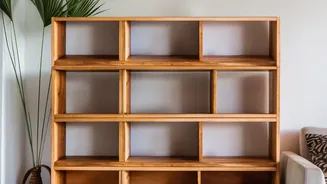
In the heyday of the all-beige room, natural materials were the undisputed heroes of texture. Light woods like pale oak, woven rattan, soft linens, and creamy travertine stone were essential for preventing these neutral spaces from feeling completely one-dimensional. Their purpose was to provide subtle warmth and organic texture without disrupting the serene, monochromatic harmony. Materials were chosen for their ability to blend in, adding a layer of quiet sophistication and a nod to nature within a very controlled palette. Think a linen sofa, a jute rug, and a light wood coffee table all coexisting in a sea of beige. They were foundational elements used to create a calm, cohesive, and understated environment.
A Bold New Role in a Colourful World
As interiors become more colourful and expressive, the function of natural materials has fundamentally shifted. They are no longer just quiet textural backdrops; they are now key players in creating drama, contrast, and balance. Instead of blending in, materials like wood and stone are being used to stand out. In a room with deep blue or forest green walls, a rich walnut sideboard or a dark-stained oak floor provides a necessary grounding warmth that prevents the space from feeling cold. The inherent authenticity of these materials provides a sophisticated counterpoint to bold paint choices and patterned textiles. This new dynamic allows for greater creative freedom, where the raw beauty of a material is highlighted against a vibrant background, rather than being absorbed by a neutral one.
Contrast and Character Take Centre Stage
The move away from beige has ignited a passion for maximalism and a richer, more layered approach to design. In this context, natural materials are chosen for their character and ability to create powerful focal points. We're seeing a rise in heavily veined marble and dramatic natural stone used for kitchen islands and countertops, creating a sense of theatre in the heart of the home. Rough-hewn wooden beams provide rustic contrast in an otherwise sleek, modern room. In maximalist spaces, different materials are fearlessly mixed—wood, metal, glass, and stone—to build visual interest and depth. The emphasis is on the unique grain of a wood, the rugged texture of slate, or the cool smoothness of marble. These materials are no longer just functional; they are sculptural and expressive elements in their own right.