





The Brewing Concern: Plastic in Your Teacup
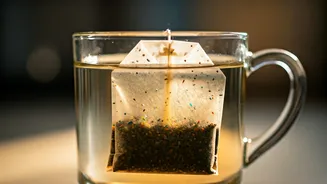
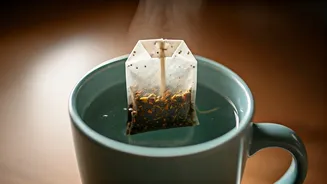
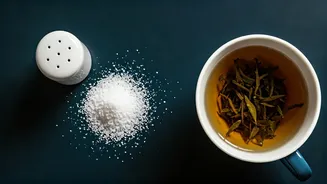
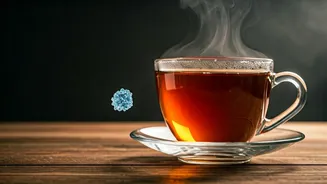
The culprit isn't the tea itself, but often the bag it comes in. A landmark 2019 study from McGill University found that a single plastic tea bag steeped at brewing temperature (95°C) can release a shocking number of particles: approximately 11.6 billion
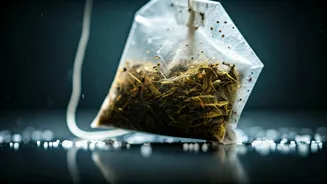
microplastics and 3.1 billion smaller nanoplastics into your cup. Many popular pyramid-style or "silken" sachets, which appear premium, are actually made from plastics like nylon or polyethylene terephthalate (PET). When exposed to boiling water, these materials begin to break down, shedding particles directly into your beverage. Even some standard paper tea bags contain plastic, as manufacturers use polypropylene to heat-seal the edges and prevent them from falling apart.
What Are Microplastics, Anyway?
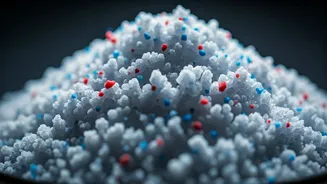
Microplastics are tiny plastic fragments less than five millimetres long. They are now considered a widespread environmental pollutant, found in everything from bottled water and sea salt to the air we breathe. Nanoplastics are even smaller, and their size allows them to potentially penetrate biological barriers more easily. In tea, they are released when the hot water degrades the structure of the plastic-based bag. While some debate exists over the exact number of particles released, there is consensus that plastic tea bags shed these particles when brewed. The concentration of plastics found in tea from these bags is several orders of magnitude higher than what has been reported in other foods and drinks.
The Unanswered Health Question
This is where the science is still developing, and it's important not to panic. To date, there is no definitive evidence showing direct harm to humans from ingesting microplastics at current exposure levels. However, the findings are concerning enough to warrant further investigation. Lab studies on cells and animals have linked high exposure to microplastics with issues like inflammation, immune system responses, and cell damage. The particles themselves can be abrasive, and there are concerns they could act as carriers for other harmful chemicals. Researchers have found microplastics in various human organs, blood, and even placentas, proving they can travel through the body. The long-term effects of this chronic, low-level exposure are still largely unknown.
How to Brew a Safer Cup of Chai
The good news is that reducing your exposure from tea is relatively simple and doesn't require giving up your daily ritual. The most effective change is to switch to loose-leaf tea. Brewing tea leaves in a stainless steel, glass, or ceramic infuser completely eliminates the risk from the tea bag. This also often results in a higher quality, more flavourful brew, as bagged tea frequently contains lower-grade tea “dust.” If you prefer the convenience of bags, look for brands that explicitly state they are plastic-free. These bags are typically made of natural fibres like paper, abaca, or corn starch, and are often stitched or folded shut rather than heat-sealed with plastic. Several brands now offer certified plastic-free and compostable options.
Beyond the Teacup
While tea bags can be a significant source of microplastics, it’s worth remembering they are not the only one. These particles are also found in tap and bottled water, takeaway coffee cups with plastic linings, and food stored or reheated in plastic containers. Therefore, a holistic approach to reducing exposure is most effective. Using a high-quality water filter can help reduce particles in your water, and avoiding heating food in plastic containers are other small but impactful steps. The goal isn't to achieve zero exposure—an impossible task in our modern world—but to reduce it where it's easiest and most significant.