






The Myth of the 30-Minute Anabolic Window
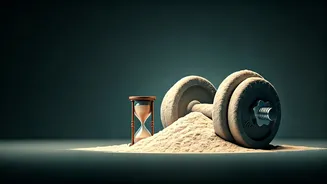
For decades, fitness gospel has preached the urgency of consuming protein within 30 to 60 minutes after a workout. [7, 9, 10] This period is famously known as the 'anabolic window', a supposedly critical time when your muscles are exceptionally receptive
to nutrients for repair and growth. [7, 9] The theory suggests that if you miss this window, you’re compromising your gains, and your workout was less effective. This belief originated from early studies on muscle metabolism and was heavily promoted by supplement companies, creating a generation of gym-goers terrified of a ticking clock. [4, 6, 9]
What Science Actually Says About Protein Timing
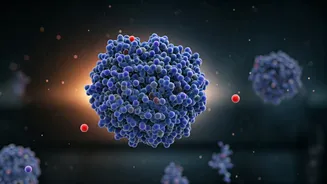
Fortunately, modern science has taken a closer look, and the results are reassuring. More recent and comprehensive studies, including a significant 2013 meta-analysis, have concluded that the so-called anabolic window is much wider than previously believed—more like a 'garage door' that stays open for several hours. [1, 9, 16] Research shows that muscle protein synthesis (MPS), the process of rebuilding muscle, remains elevated for 24 to 48 hours after a workout. [7, 14] This means your body is primed for muscle building long after you've left the gym. While consuming protein post-workout is beneficial, the frantic rush isn't necessary. [1, 7]
Focus on the Big Picture: Total Daily Protein
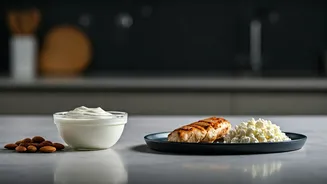
The overwhelming consensus among researchers today is that your total daily protein intake is far more important for muscle growth and strength than the precise timing of your shake. [1, 4, 15] Think of it as a daily budget rather than a single, timed deposit. As long as you consistently meet your overall protein needs for the day, the specific timing of one shake has a negligible effect. [4, 16] For active individuals and those looking to build muscle, the general recommendation is to consume between 1.6 to 2.2 grams of protein per kilogram of body weight daily. [6, 15] Spreading this intake relatively evenly across four or five meals can be more effective for optimising muscle protein synthesis than focusing on one specific post-workout meal. [1, 6]
So, When Should You Have Your Shake?
Instead of stressing about a 30-minute deadline, aim for a more flexible approach. A good rule of thumb is to consume a protein-rich meal or shake within a few hours of your workout. [4, 7] If you trained in a fasted state (for example, first thing in the morning), then having a shake sooner rather than later is a good idea to kickstart recovery. [5, 13] However, if you had a protein-containing meal an hour or two before your workout, your body already has a circulating pool of amino acids, making an immediate post-workout shake redundant. [2, 7] In fact, some studies show that consuming protein before a workout can be just as effective as taking it afterward for stimulating muscle growth. [2, 14] The key is convenience and consistency. Use a protein shake when it helps you meet your daily goals, not because you're racing against an imaginary clock.