








The Problem with 'Healthy' Promises
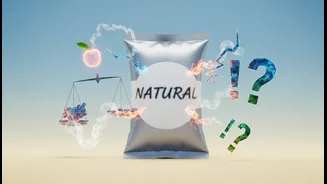
For years, shoppers have navigated a confusing landscape of packaged goods. A cream bun might claim to be '100% Natural' while its own ingredient list mentions preservatives and synthetic colours. A paneer package might be labelled 'Fresh', even when
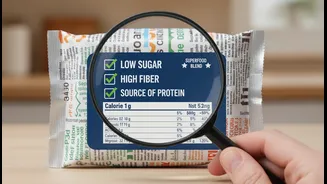
it doesn't meet the specific regulatory conditions for that term. This gap between marketing language and reality is what the Food Safety and Standards Authority of India (FSSAI) is targeting. The regulator has noted that many front-of-pack claims are marketing first and facts second, potentially shaping purchasing decisions based on information that isn't entirely true. Words like 'pure', 'organic', and 'immunity-boosting' are powerful influencers, but without strict definitions and scientific backing, they can create a false perception of health benefits.
What the FSSAI Crackdown Entails
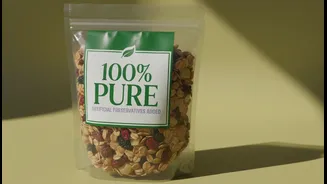
In a series of recent actions, FSSAI has issued show-cause notices to numerous food companies for alleged violations of the Food Safety and Standards Act, 2006. These notices question claims that are not scientifically substantiated or that create a deceptive impression. For example, a hazelnut spread was flagged for using 'All Natural', '100% Organic', and 'Vegan' on its label without having the necessary prior approvals or certifications. The regulator also clarified that the term '100%' is not even defined in the Food Safety and Standards Act, making claims like '100% Organic' inherently questionable. Companies are being given a short timeframe, often just seven days, to explain why action shouldn't be taken against them, which can include fines of up to Rs. 3 lakh for misbranded products.
The End of Vague 'Premium' and 'Natural' Claims?
The crackdown puts a special focus on aspirational but ambiguous terms. Words like 'natural', 'fresh', 'original', and 'traditional' must now adhere to specific conditions laid down in the regulations. A product marketed as 'Premium Chocolate' came under scrutiny when it was found to contain hydrogenated vegetable fat instead of cocoa butter. Similarly, FSSAI has challenged the use of 'Fresh Paneer' and the term 'Healthy Happiness' in a trademark, arguing it implies a health benefit that isn't backed by regulations. The message is clear: if a brand calls its product 'natural', it must meet a strict definition, likely meaning it is unprocessed and free from additives. Simply using these words as a marketing flourish is no longer acceptable.
What This Means for Your Grocery Shopping
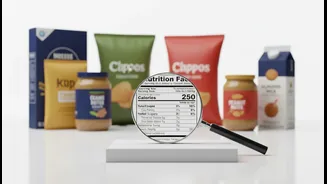
For consumers, this regulatory push is a welcome move towards transparency. In the short term, it serves as a reminder to be skeptical of bold front-of-pack claims and to rely on the detailed ingredient list on the back. In the long term, this could lead to a cleaner, more honest shelf. This is also part of a larger, though long-delayed, effort to introduce mandatory Front-of-Pack Labelling (FOPL) that would quickly inform consumers if a product is high in fat, sugar, or salt. Studies have shown that interpretive labels, such as warning labels, are effective at helping consumers identify unhealthy foods at a glance. FSSAI has also empowered consumers to report misleading claims directly through its FoSCoS portal and mobile app, turning shoppers into front-line watchdogs.
How the Food Industry is Responding
Food companies are now under pressure to ensure their branding, packaging, and advertising are all aligned with regulations. The crackdown extends beyond the label to include brand names that might create a misleading impression. For many businesses, changing a label is a complex and costly process, involving redesigns, replacing printing plates, and managing old inventory. While some companies are challenging the regulator's actions, the sustained enforcement signals that a review of marketing language is essential. Experts believe this will push manufacturers to either change their labels to be more truthful or, ideally, reformulate their products to actually be healthier, aligning the ingredients with the claims they want to make.