
Before You Leave: Your Pre-Journey Check
The safest journey during a downpour begins before you even turn the key. First, always check the weather forecast and local travel advisories. If authorities are warning against travel, it's best to postpone your trip. Heavy rainfall can cause unpredictable
road conditions, including flash floods and landslides, especially in hilly areas. Next, give your vehicle a quick but thorough inspection. Ensure your tyres have adequate tread and are properly inflated, as worn tyres are far more likely to hydroplane on wet surfaces. Check that your headlights, brake lights, and indicators are all working—visibility is crucial in a storm. Finally, test your windshield wipers and top up the washer fluid. A clear view of the road is non-negotiable.
On the Road: Smart Driving in a Downpour
Once you're on the move, your driving style needs to adapt to the wet conditions. The most important rule is to slow down. At higher speeds, your tyres can lose contact with the road and ride on a thin layer of water, a dangerous phenomenon known as hydroplaning. Reducing your speed gives your tyres a better chance to grip the road. Increase your following distance from the vehicle in front of you to allow for longer braking times on slick surfaces. Avoid using cruise control, as it can interfere with your ability to react quickly if you start to skid. Use your low-beam headlights to make yourself more visible to others; high beams will reflect off the rain and can worsen your own visibility. Be wary of large puddles and any area with standing or flowing water, as it's impossible to know their depth or what hazards lie beneath.
The Golden Rule: Turn Around, Don't Drown
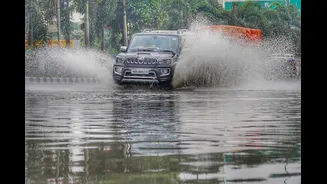
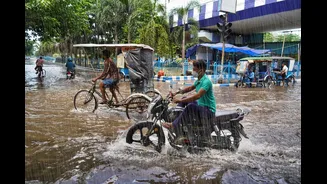
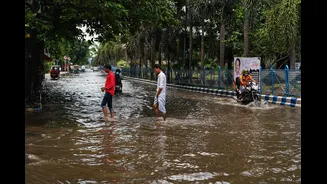
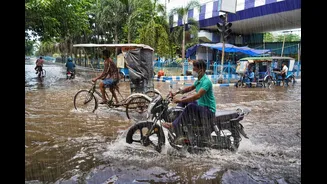
It is never safe to drive through a flooded road. It can be difficult to judge the depth of the water, and what looks like a shallow puddle could be deep enough to stall your engine or even sweep your vehicle away. As little as six inches of water can cause a car to lose control and stall, while just one foot of water is enough to float many vehicles. Two feet of rushing water can carry away most vehicles, including SUVs and pickup trucks. The water can also hide washed-out sections of road, potholes, or debris. If you encounter a waterlogged road, the only safe option is to turn around and find an alternate route. Your destination is never worth risking your life.
What to Do If Your Car Stalls in Water
If you find yourself in the terrifying situation of being in a stalled car in rising water, your first priority is to remain calm. Do not try to restart the engine, as this can draw water into the engine and cause catastrophic damage. Immediately turn on your hazard lights to make your vehicle visible to others. Assess the situation. If the water is stationary and not rising, you may be able to wait for it to recede. However, if the water level is rising, you need to prepare to abandon the vehicle. Unlock your doors and try to roll down a window to create an escape route. Electric windows should still work for a short time unless the car is fully submerged.
When and How to Abandon Your Vehicle
Making the decision to leave your car is critical. If water is rising around your car but is not moving swiftly, you should abandon the vehicle and move to higher ground. However, do not enter fast-moving water. If you are trapped and the water pressure prevents you from opening the door, you will have to exit through a window. Once a window is open, unbuckle your seatbelt and climb out. Swim or wade to the nearest point of safety on higher ground. Do not try to save your possessions; your life is more valuable than anything in the car. Once you are safely out, do not return to the vehicle, as water levels can rise again without warning. Let emergency services handle the recovery of your car.
The Essential Monsoon Emergency Kit
A well-stocked emergency kit can be a lifesaver if you get stranded. Keep a waterproof bag in your car with essential items. This should include a powerful flashlight with extra batteries, a first-aid kit, and a fully charged power bank for your phone. Non-perishable, high-energy snacks like protein bars and several bottles of drinking water are also crucial. A waterproof jacket or raincoat, an umbrella, and a change of dry clothes can help prevent hypothermia. Finally, keeping items like jumper cables and a basic toolkit can help with minor roadside issues.