




Choose Your Destination Wisely
Not all of India is ideal for monsoon travel. While some regions become hazardous, others come alive with breathtaking beauty. The key is to pick the right spot. States like Kerala, Goa, and parts of Maharashtra in the Western Ghats are spectacular. The rain
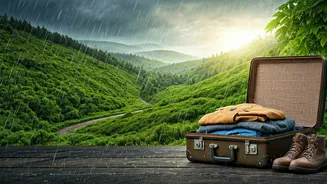
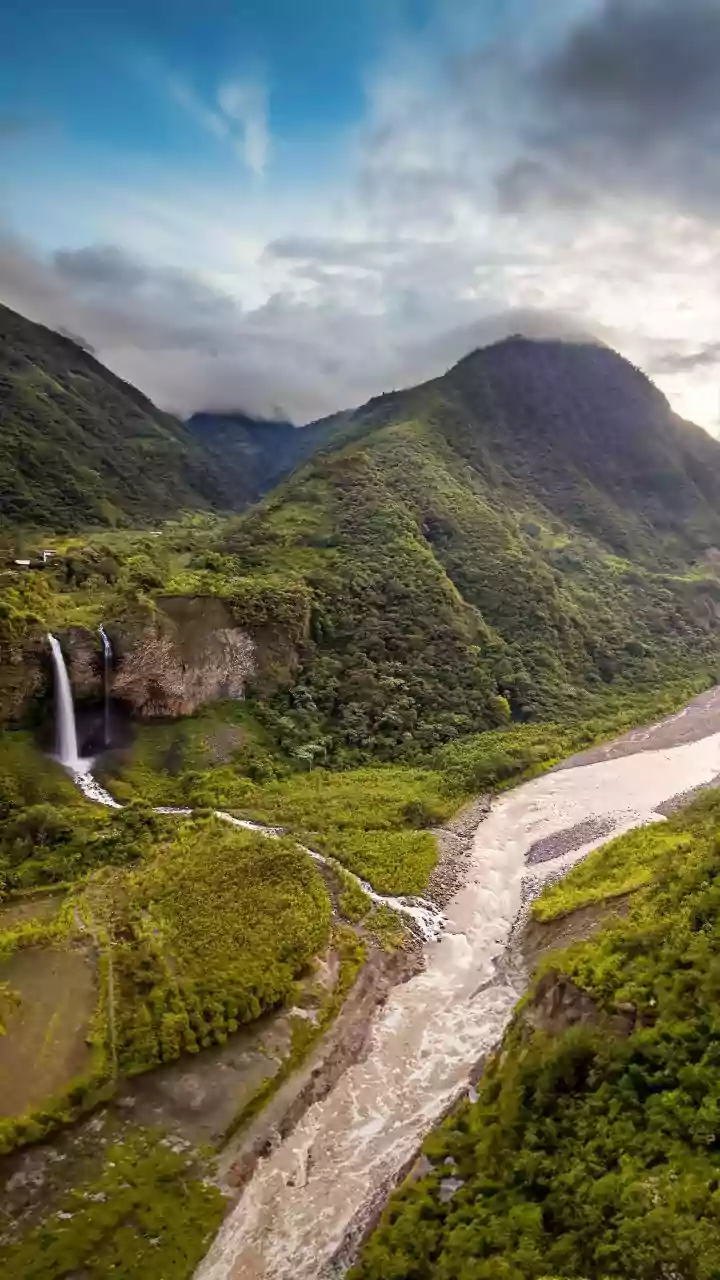
washes the landscape clean, leaving behind emerald-green hills and gushing waterfalls. Think of the serene backwaters of Kerala under a dramatic, cloudy sky or the misty hills of Lonavala and Mahabaleshwar. Rajasthan, though a desert state, is another fantastic choice. Cities like Udaipur and Bundi look magical as their lakes fill up and the Aravalli hills surrounding them turn green. Conversely, it's best to avoid mountainous northern regions like Uttarakhand, Himachal Pradesh, and Sikkim. The heavy rains in these areas often lead to landslides, road blockages, and flash floods, making travel unpredictable and dangerous.
Pack Smart, Not Just Light
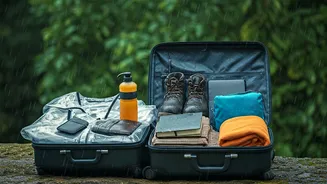
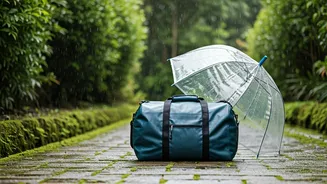
Your packing list for a monsoon trip is different from any other. An umbrella and a raincoat are obvious, but true preparedness goes deeper. Opt for synthetic, quick-drying clothes (like polyester or nylon) over cotton, which takes forever to dry in the humid air. For footwear, ditch the leather and canvas sneakers. Instead, pack waterproof sandals or rubber floaters that can handle puddles and dry quickly. A crucial item is a waterproof bag or dry sack for your electronics—phone, camera, and power bank. Power cuts can be common, so a fully charged power bank is non-negotiable. Also include a powerful insect repellent containing DEET to ward off mosquitoes, which are more prevalent during this season. A small, quick-dry towel will also be far more useful than a standard plush one.
Prioritise Health and Hygiene
The monsoon season sees a spike in water-borne and mosquito-borne diseases. Staying healthy requires a little extra vigilance. First, drink only bottled, boiled, or filtered water. Avoid tap water, ice in drinks, and raw salads that may have been washed in contaminated water. When it comes to street food, be selective. While tempting, freshly fried hot snacks are generally safer than anything that has been sitting out. To prevent mosquito bites, which can transmit diseases like dengue and malaria, apply insect repellent regularly, especially during dawn and dusk. Wearing long-sleeved shirts and trousers in light colours can also offer a layer of protection. It’s also wise to carry a basic medical kit with antiseptics, bandages, and medication for common ailments like stomach upsets or fever.
Build Flexibility into Your Itinerary
Monsoon travel demands a flexible mindset. Delays and cancellations are part of the adventure. Heavy rains can disrupt flights, delay trains, and cause unexpected road closures. The best way to handle this is to build buffer days into your schedule. Don’t plan a tight itinerary where a single delay can derail your entire trip. When booking flights and trains, check for flexible options that allow for changes with minimal penalties. Keep a close eye on weather forecasts and local news for any travel advisories. For shorter distances, trains are often a more reliable option than road travel, which can be hampered by waterlogging and poor road conditions. Embracing a slower pace and being prepared for changes will make your journey far less stressful and more enjoyable.
Embrace the Off-Season Perks
For all the planning it requires, travelling during the monsoon comes with significant rewards. With fewer tourists, popular destinations are less crowded, allowing for a more intimate and peaceful experience. You can enjoy famous forts, palaces, and viewpoints without jostling for space. This is also the low season for tourism in many parts of the country, which means you can often find fantastic deals on flights and accommodation. Hotels and resorts frequently offer attractive monsoon packages and discounts. But the biggest perk is the scenery itself—the raw, unfiltered beauty of nature at its most dramatic. The smell of wet earth, the sound of the rain, and the sight of a rain-washed world offer a sensory experience that is uniquely Indian and utterly unforgettable.