




The Allure and the Risks
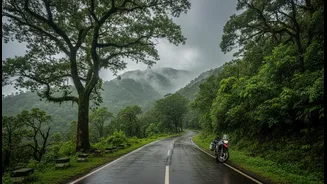
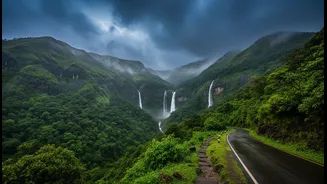
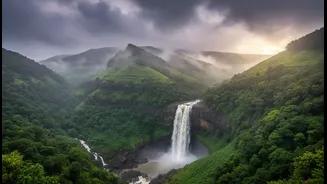
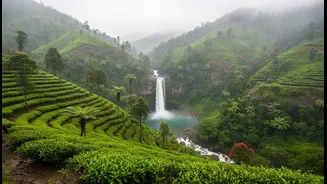
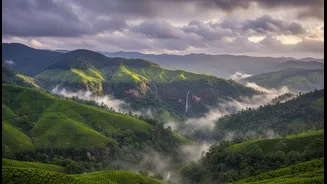
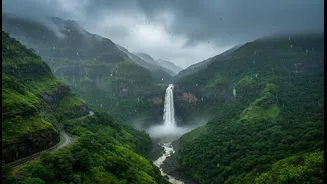
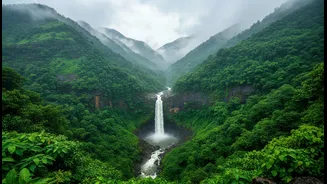
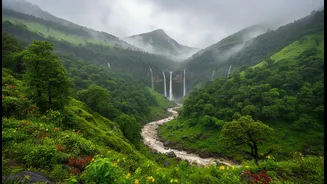
From the tea plantations of Munnar to the fort trails of Maharashtra, the Western Ghats offer an unparalleled experience during the rainy season. The landscape, washed clean and vibrant, is a photographer's dream and a nature lover's haven. Activities
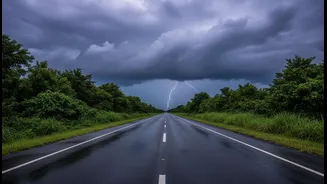
like watching fireflies, guided frog walks, and trekking through cloud forests become popular. However, the same rains that bring life to the region also introduce significant hazards. Slippery roads, the risk of landslides, flash floods, and reduced visibility can quickly turn an adventure into a misadventure. Recent advisories for July 2026 highlight that authorities are often forced to close popular spots like Tamhini Ghat and certain forts for safety reasons, making preparation and awareness more critical than ever.
Preparing Your Vehicle is Non-Negotiable
Your vehicle is your most important tool for a safe road trip. Before you even think about hitting the winding ghat roads, a thorough check is essential. Ensure your tyres have adequate tread depth, at least 3mm, to handle slippery conditions and prevent hydroplaning. Check that your brakes, wipers, and headlights are in top working condition. Good visibility is key, so ensure your windscreen defogger and air conditioning are functional to combat fogging from the inside. Always start with a full tank of fuel, as journeys can be delayed by traffic jams or road closures. Keeping your low-beam headlights on, even during the day, significantly improves your visibility to other drivers.
On the Road: Driving with Caution
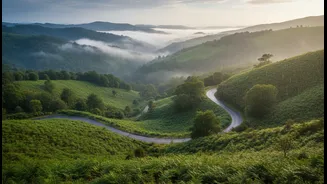
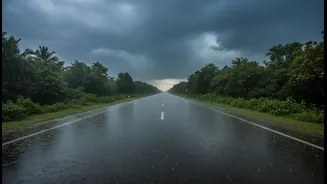
Driving in the ghats during monsoon demands a different style of driving. The golden rule is to reduce your speed and double the safe following distance you would normally keep. Wet roads dramatically increase braking distances. Be gentle with braking and steering to avoid skids, especially on painted road markings which become extra slippery. If you encounter a waterlogged patch, avoid it if possible. If you must cross, stay in a low gear with high RPMs to prevent water from entering the exhaust. Never attempt to restart a stalled engine in water, as this can cause severe damage. Finally, avoid driving at night; poor visibility combined with unpredictable road conditions is a recipe for disaster.
Trekking Smart: Trails and Gear
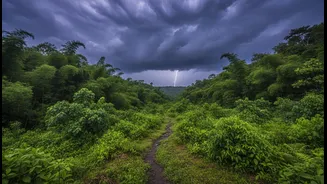
Monsoon trekking is a rewarding experience, but it requires respect for nature's power. Always check official sources like the Forest Department for trail closures and advisories before you go. Many popular trails in areas like Raigad and Pune are often restricted during heavy rains. Never trek alone; always go in a group and consider hiring a local guide who knows the terrain. Your gear is your lifeline. Invest in high-grip, waterproof trekking shoes—not sneakers. A full-body poncho is more effective than a simple jacket as it also covers your backpack, keeping your essentials dry. Carry a head-torch, a first-aid kit, a power bank, and a sachet of salt to deal with the inevitable leeches. Stick to marked trails and be prepared to turn back if weather conditions worsen.
Health and Accommodation
The monsoon brings an increased risk of water-borne and mosquito-borne diseases like dengue, typhoid, and cholera. To stay healthy, drink only boiled, filtered, or sealed bottled water. Avoid street food, especially raw items. Wash your hands frequently and carry a hand sanitiser. When booking accommodation, choose places that are not in low-lying or landslide-prone areas. Ensure your room is clean and free from mould. Always carry a basic medical kit with essentials for fever, diarrhoea, cuts, and any personal medications. Changing out of wet clothes as soon as possible and keeping your skin dry can help prevent fungal infections.