



The Post-Monsoon Weather Puzzle
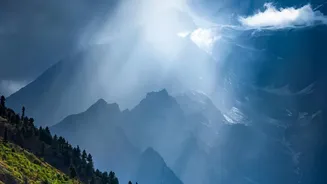
September is a month of transition, and the weather you get depends heavily on where you go. In the Himalayan states like Himachal Pradesh and Uttarakhand, the heavy rains of July and August typically begin to ease, especially in the second half of the month.
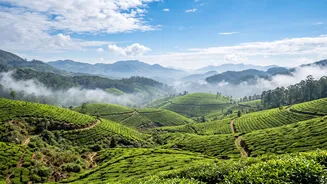
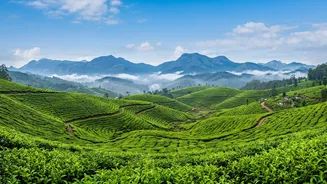
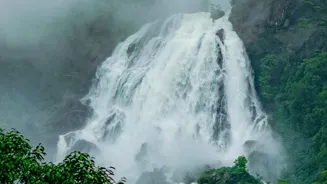
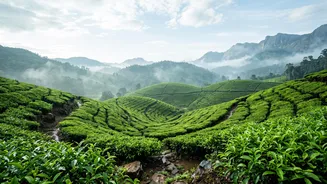
This often leads to pleasant daytime temperatures and clearer skies, perfect for sightseeing. However, the tail end of the monsoon can still bring isolated heavy rainfall, so checking short-term forecasts is crucial. In the south, hill stations in Kerala, Tamil Nadu, and Karnataka are emerging from the monsoon with lush landscapes and full waterfalls. Places like Ooty and Coorg are exceptionally green and fresh, though you should still expect some rain and misty conditions. The key is to pack for both sunshine and showers.
Road Conditions and Accessibility
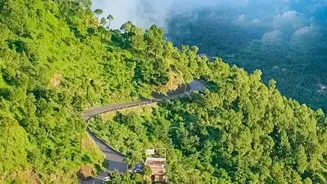
This is perhaps the most critical check for any September hill trip, especially in the Himalayas. The monsoon season from June to August often causes significant damage to roads, and the risk of landslides remains, even as the rain subsides. As of early September 2026, reports indicate that dozens of roads remain blocked in Himachal Pradesh due to recent landslides. Travellers should always check real-time road status from official sources like state PWD websites or local authorities before starting their journey. Regions like Spiti Valley, which lie in a rain-shadow area, are often more accessible and are considered by many to be at their best in September. In the Western Ghats, while the highways are generally more robust, ghat roads can be foggy and prone to blockages from falling rocks during heavy downpours. Always build buffer time into your travel itinerary.
Choosing Your Destination Wisely
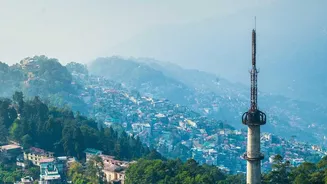
Not all hill stations are equal in September. For a safer bet, consider destinations known for better post-monsoon conditions. In the North, high-altitude desert areas like Spiti Valley and Ladakh are excellent choices, as they receive little monsoon rain and the roads are generally stable. Shimla, Manali, and Mussoorie can be beautiful with fewer crowds, but the risk of rain and road issues persists. In the South, places like Ooty, Kodaikanal, and Coorg are prime destinations, showcasing stunning post-monsoon greenery. For something different, Maharashtra's Kaas Plateau is famous for its valley of flowers, which is in full bloom from September to October. Hill stations in the North East, such as Darjeeling and Gangtok, may still experience significant rainfall and potential landslides in early September.
Packing for Unpredictable Conditions
Given the transitional weather, layering is your best strategy. Pack a combination of light clothes for sunny afternoons and warm layers like a fleece or a light jacket for the cool evenings. A waterproof outer shell or a reliable raincoat is non-negotiable. Good footwear is essential; choose shoes with a strong grip suitable for wet, and sometimes slippery, paths. An umbrella can be useful for sudden showers. For Himalayan destinations, especially high-altitude ones, remember that temperatures can drop significantly at night. Other essentials include a basic medical kit, a power bank (as power cuts can occur), and any personal medications. Downloading offline maps is also a wise precaution, as connectivity can be patchy in remote areas.
Accommodation and Crowds
September is considered a shoulder season—falling between the peak monsoon and the busy post-monsoon tourist rush of October and November. This often translates to two significant benefits for travellers: fewer crowds and better deals on accommodation. With schools and colleges back in session, you’ll find popular spots like viewpoints and lakes in places like Nainital or Shimla to be more peaceful. This allows for a more relaxed and authentic experience. However, it's still advisable to book your stays in advance, especially if you're travelling over a weekend. Check if your hotel has flexible cancellation policies, which can be helpful if weather conditions force a last-minute change of plans.