




The Pookkalam: A Return to Nature
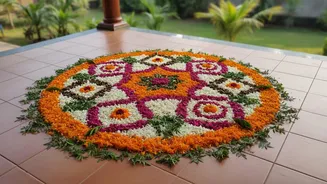
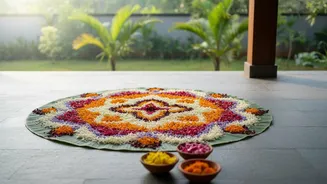
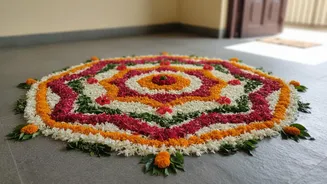
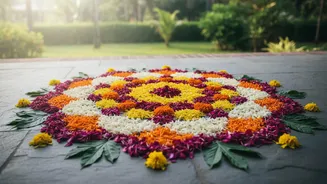
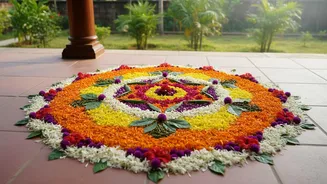
The pookkalam, or floral carpet, is the vibrant heart of Onam decor, welcoming King Mahabali. To make it eco-friendly, skip the plastic-based or artificially coloured elements. Instead, embrace the original tradition by using locally and seasonally sourced
flowers like marigolds, jasmine, and chrysanthemums. These are not only biodegradable but also support local farmers. You can also incorporate leaves, rice flour, and natural powders to create intricate designs. For lighting, swap electric fairy lights for traditional terracotta diyas or brass lamps, which add a warm, authentic glow and can be reused for years. After the festival, the flowers and leaves from your pookkalam can be composted, returning their nutrients to the earth and completing a beautiful natural cycle.
The Sadhya: A Mindful, Zero-Waste Feast
The Onam Sadhya is a testament to local, seasonal eating. To minimise its environmental footprint, start by sourcing vegetables and ingredients from local markets. This reduces food miles and supports community farmers. The most significant step towards a low-waste sadhya is honouring the tradition of serving it on banana leaves. These leaves are fully biodegradable and can be composted or fed to cattle after the meal, eliminating the need for disposable plates. When cooking, plan your portions to reduce food waste. Any leftovers can be creatively repurposed into new dishes the next day. Avoid single-use plastic cups and cutlery by opting for steel, brass, or reusable bamboo alternatives for serving water and payasam.
Onam Kodi: Weaving in Sustainability
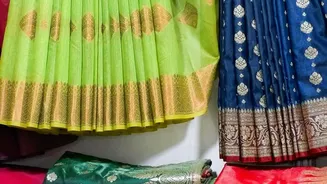
The tradition of gifting new clothes, or Onam Kodi, can also be approached with sustainability in mind. Instead of opting for mass-produced fast fashion, consider purchasing handloom garments like classic Kasavu sarees and mundus. This choice directly supports the livelihoods of local artisans and preserves traditional weaving techniques. Look for clothing made from natural, breathable fabrics such as organic cotton. These materials are kinder to the environment and comfortable to wear. Another conscious approach is to explore your own wardrobe. Upcycling an older, cherished saree or garment by pairing it with a new blouse or accessory can give it a fresh life, blending tradition with personal style and reducing consumption.
Gifting: Thoughtful and Planet-Friendly
Gift-giving during Onam is an expression of love and community. This year, extend that consideration to the planet. Instead of conventional gifts, consider items that are both beautiful and sustainable. Handmade home decor from local artisans, such as coconut shell bowls, wooden crafts, or brass lamps, makes for a lasting and meaningful present. Consumable gifts like artisanal food baskets with locally made snacks, organic spices, or handmade sweets are another wonderful, zero-waste option. Potted plants or seed kits are a beautiful symbol of growth and prosperity that align perfectly with the harvest spirit of Onam. When presenting your gift, ditch the glossy plastic wrapping paper for reusable cloth bags (Furoshiki style), newspaper, or simple jute twine for an elegant, rustic finish.