

Why One-Pot Meals Are a Student's Best Friend
The beauty of a one-pot meal lies in its simplicity. With everything cooked in a single vessel—be it a pressure cooker or a deep pan—you drastically cut down on washing up. This style of cooking is ideal for shared or small kitchens where space and equipment
are limited. It’s also incredibly budget-friendly, allowing you to combine staple ingredients like grains and lentils with any vegetables you have on hand, reducing food waste. One-pot meals are typically straightforward, making them perfect for novice cooks. You don't need fancy techniques, just the ability to chop and stir. This approach saves time not only in cleaning but also in preparation, letting you focus on your studies instead of a sink full of dishes.
Classic Comfort: One-Pot Vegetable Khichdi
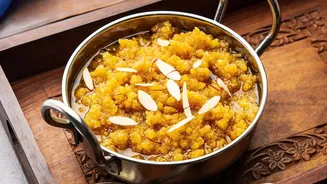
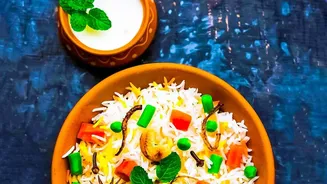
Khichdi is the ultimate Indian comfort food, known for being both nourishing and easy to digest. It’s a wholesome mix of rice and lentils, and you can pack it with vegetables for a complete meal. For students, it’s a perfect dish that can be made in just one pressure cooker. Simply heat a little ghee or oil, and add cumin seeds. Once they splutter, toss in chopped onions, ginger, and garlic, followed by any vegetables you like—carrots, peas, potatoes, and beans work well. Add rinsed rice and moong dal, turmeric powder, a pinch of red chilli powder, and salt. Pour in enough water (a common ratio is about 3-4 cups of water for every combined cup of rice and dal), secure the lid, and cook for 2-3 whistles. Let the pressure release naturally, and your hearty, healthy meal is ready.
Healthy & Hearty: One-Pot Millet Pulao
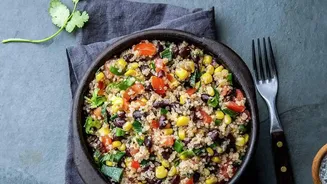
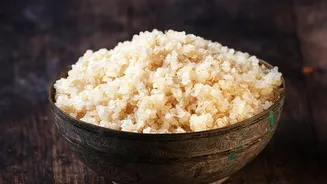
For a healthier alternative to rice, millets are an excellent choice. They are packed with fiber, protein, and essential minerals. Millet pulao is just as easy to make as its rice-based counterpart and offers a wonderfully nutty flavour. To start, rinse your choice of millet (like foxtail or kodo) thoroughly. In a pressure cooker, heat oil and temper with whole spices like cinnamon, cloves, and a bay leaf. Sauté sliced onions until they soften, then add your mix of vegetables. Stir in the rinsed millet, coating it with the spices, before adding water—a general rule is two parts water for one part millet. Season with salt, close the cooker, and cook for about two whistles on a medium flame. Once the pressure settles, fluff the pulao with a fork and serve. It's a fantastic way to incorporate healthy grains into your diet without any extra fuss.
Smart Cooking Hacks for Students
To make cooking even easier, a little planning goes a long way. Always keep staples like rice, dal, millets, and basic spices (turmeric, cumin, coriander) in stock. When you do your grocery shopping, buy vegetables that are in season, as they are usually cheaper. You can save time during the week by prepping your vegetables—chopping onions, carrots, and beans—over the weekend and storing them in the fridge. Before you shop, always check the communal kitchen for any leftover ingredients like oil or spices that other students may have left behind. Finally, cooking during off-peak hours can make the experience in a shared kitchen much more pleasant, as you won't have to compete for stove space or utensils.
Beyond the Recipe: Get Creative
The best part about khichdi and pulao is their versatility. Don’t be afraid to experiment. You can use any vegetables available, from bell peppers to spinach. If you don’t have rice, use another grain. If you’re out of moong dal, other lentils work just as well. Add a handful of roasted cashews for crunch or a squeeze of lemon juice at the end for a fresh tang. These recipes are not rigid rules but flexible templates. Using them as a base, you can create countless variations depending on what's in your pantry, what you're craving, and how much time you have. This adaptability is what makes them perfect for the dynamic and often unpredictable student life.