





What is Slow Travel, Really?
Forget the idea that slow travel means moving at a snail's pace. At its heart, it’s about moving with intention. Originating from the 'slow food' movement in Italy, it's a philosophy that prioritises depth over distance and connection over checklists.
Instead of rushing through five cities in seven days, slow travel encourages you to spend more time in fewer places, immersing yourself in the local culture, food, and community. It’s about trading a packed itinerary for spontaneous discoveries and creating meaningful memories rather than just collecting photo opportunities. The goal is to connect more deeply with your surroundings, which often leads to a more enriching and less exhausting trip.
A Mindset, Not a Price Tag
One of the biggest myths is that slow travel is expensive. While it can be luxurious, it certainly doesn't have to be. In fact, it is often cheaper. Transportation is one of the biggest travel costs; by staying in one place longer, you drastically reduce those expenses. Accommodation costs also decrease, as many guesthouses, homestays, and rentals offer significant discounts for weekly or monthly stays. This approach also encourages you to eat like a local, swapping expensive tourist-trap restaurants for vibrant local markets and street food vendors, which saves money and offers a more authentic taste of the destination. Supporting locally-owned businesses, from homestays to small shops, ensures your money benefits the community directly.
Making a Short Trip Count
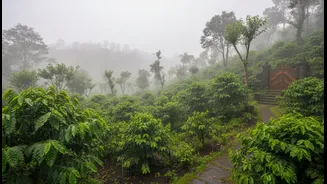
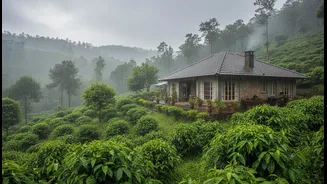
You don’t need a six-month sabbatical to travel slowly. The principles can be applied to a weekend getaway or a week's leave. The key is to shift your focus from quantity to quality. Instead of trying to see an entire state, pick one small town or a single neighbourhood in a city to explore deeply. Rent a bicycle to explore the backroads of Kerala, follow the coffee trail in Coorg, or get lost in the historic lanes of Fort Kochi. Even a day trip can become a slow travel experience if you choose to linger. Spend an entire afternoon in one cafe, observing the rhythm of local life, or wander without a map and see where the day takes you. The richest experiences often happen in the moments you don't plan.
Travel Like a Local, Not a Tourist
Embracing slow travel means stepping outside the tourist bubble. Opt for public transport like trains or local buses instead of flights and taxis. In a country like India, a train journey is an experience in itself, offering a moving window into the diverse landscapes and life of the country. Stay in homestays or locally-owned guesthouses rather than international hotel chains. This not only provides a more authentic experience but also fosters genuine connections. Ask your host for recommendations, learn a few phrases in the local language, and shop at the neighbourhood market. By becoming a temporary part of the community, you gain a perspective that no guidebook can offer.
The Joy of a Flexible Plan
The pressure to have a perfectly optimised trip can be exhausting. Slow travel gives you permission to let go. Instead of a rigid, hour-by-hour schedule, create a loose list of interests and leave plenty of room for spontaneity. This flexibility allows you to say yes to unexpected opportunities—an invitation to a local's home, a village festival you stumble upon, or simply a beautiful spot that invites you to sit and stay a while. It also reduces stress. If the weather is bad or you're feeling tired, you can rest without feeling guilty about falling 'behind schedule'. The most memorable part of your trip might be something you never planned at all.