








The Real Stakes of Urban Mining
Critical minerals like lithium, cobalt, nickel, and rare earth elements are the lifeblood of modern technology, from EV batteries to smartphones and defense systems. India currently depends almost entirely on imports for these resources, creating significant
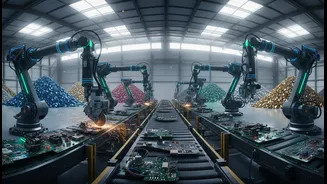
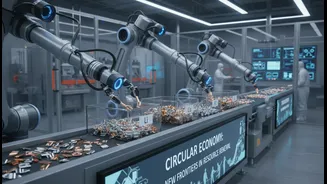
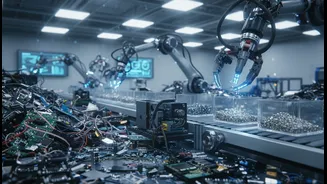
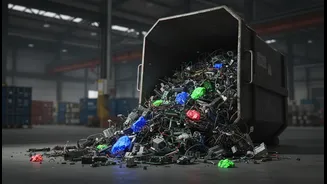
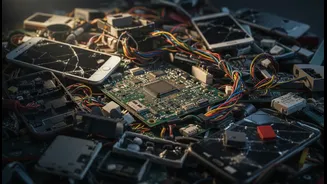
economic and geopolitical vulnerabilities. While new domestic mining is years away from making an impact, a vast, untapped resource lies in our growing mountains of electronic and battery waste. This concept, known as 'urban mining,' is India's most pragmatic route to reducing import reliance. However, turning waste into wealth isn't a simple task. It requires sophisticated, multi-disciplinary expertise. The government's National Critical Mineral Mission rightly identifies recycling as a key pillar, but building plants and setting targets is only half the battle. The other, more critical half is building the human capital to run them.
The Chemistry Challenge
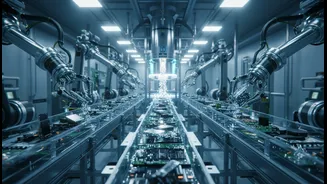
At the heart of mineral recycling are complex chemical processes. Recovering high-purity metals from used batteries or circuit boards is a precise science. Key skills are needed in both hydrometallurgy and pyrometallurgy. Hydrometallurgy uses aqueous solutions to leach and separate metals like lithium and cobalt, offering a lower carbon footprint. Pyrometallurgy involves high-temperature processes to smelt and refine materials. Specialists in these fields must not only understand the theoretical principles but also be able to adapt them to variable waste streams. A recycling facility needs chemists and chemical engineers who can analyze feedstock, optimize recovery rates, manage hazardous reagents, and ensure the final output meets stringent battery-grade specifications. A shortage of these highly specialized process engineers is a major barrier to scaling up domestic recycling capabilities.
The Operational Imperative
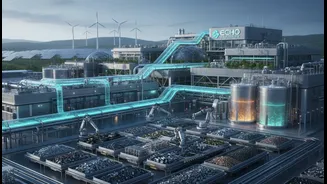
A recycling plant is more than just a lab; it's a complex industrial operation. The efficiency of 'urban mining' depends heavily on operational excellence. This starts with reverse logistics: the skill of getting e-waste and used batteries from consumers and businesses back to the recycling facility safely and cost-effectively. This is a huge challenge in India, where the informal sector still handles over 90% of e-waste collection. Inside the plant, operational skills are crucial for managing material flow, ensuring worker safety (especially when handling potentially hazardous batteries), and maintaining sophisticated equipment. Plant managers, process control technicians, and logistics coordinators are essential. They need to be trained not just in general manufacturing, but in the unique context of circular economy operations, where the 'raw material' is inconsistent and often dangerous if mishandled.
Navigating the Compliance Maze
India’s recycling landscape is governed by a web of regulations, most notably the Extended Producer Responsibility (EPR) framework. EPR rules make manufacturers responsible for the end-of-life management of their products. For recyclers, this creates a complex compliance burden. They must be registered with the Central Pollution Control Board (CPCB), maintain meticulous records of the waste they receive and process, and issue EPR certificates that producers use to meet their obligations. This requires a dedicated skill set in environmental law, data management, and regulatory affairs. Compliance officers must ensure the facility adheres to all environmental, health, and safety (EHS) standards, preventing pollution and ensuring traceability. Failure to do so can result in legal penalties and a loss of the license to operate, making compliance a core business function, not an afterthought.
Why Tracking Skills is the Master Key
Simply acknowledging the need for these skills is not enough. The talent is scarce, and the education system is not yet geared to produce it at scale. A 'build it and they will come' approach to recycling plants will fail if there's no one qualified to run them. This is why the smart response is to create a national system for tracking these critical skills. The government, in partnership with industry bodies and academic institutions, should map the existing talent pool across chemistry, operations, and compliance. This skills registry would allow policymakers to identify gaps, design targeted training programs, and incentivize professionals to enter the recycling sector. It would also help companies find the right talent quickly. The National Critical Mineral Mission already includes skilling as a component; making this skill-tracking system its operational core would turn a broad goal into an actionable strategy.