



A Shift Away from the Crowds
The future of Indian tourism is increasingly found off the beaten path. Travellers, both domestic and international, are showing a growing appetite for authentic experiences over congested hotspots. This pivot is not just about avoiding crowds; it's a conscious
choice to connect with the country on a deeper level. The Indian government and various state bodies are recognising this trend, promoting lesser-known destinations through initiatives like the 'Dekho Apna Desh' campaign. The focus is shifting from simply promotion to developing competitive, world-class destinations that offer more than just a photo opportunity. This involves significant investment in sustainable infrastructure and creating unique travel circuits that highlight India's immense diversity.
Nature as the Main Attraction
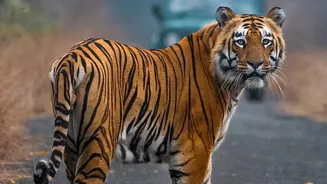
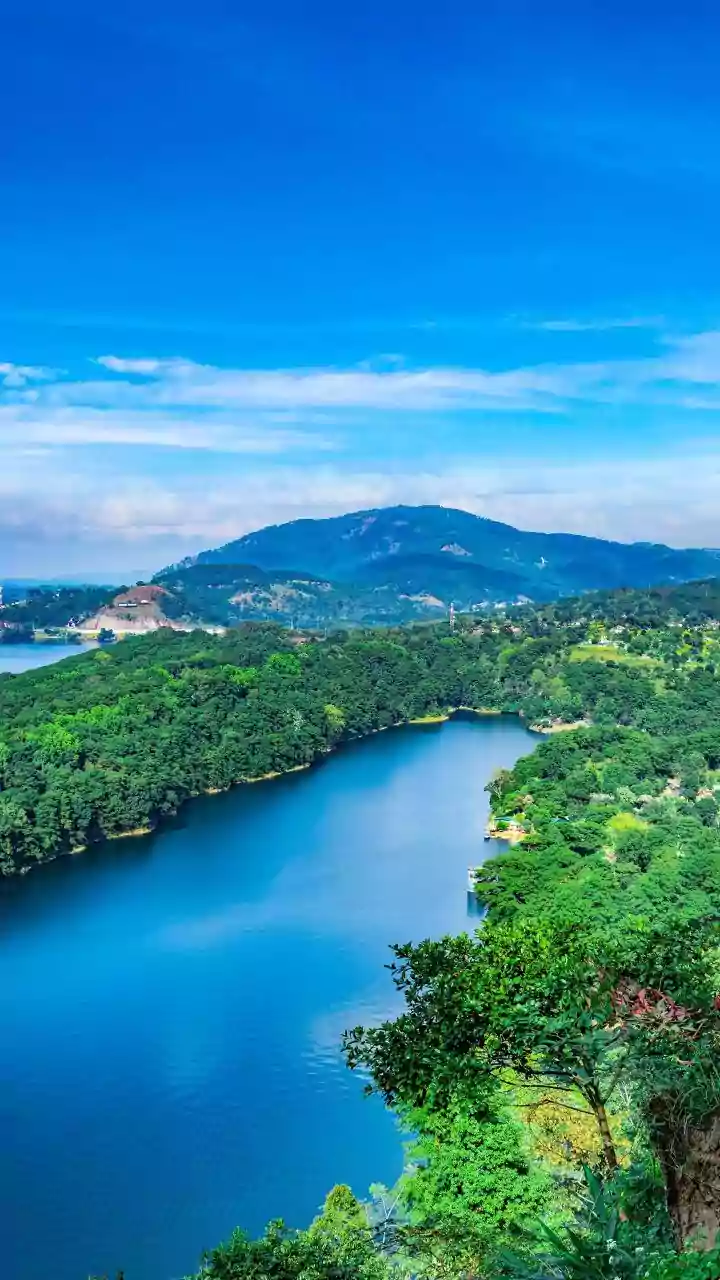
India's natural heritage, with its 106 National Parks and 18 Biosphere Reserves, is a vast, underleveraged asset. Emerging ecotourism models are now placing this biodiversity front and center. Destinations like Periyar Tiger Reserve in Kerala have successfully integrated conservation with community participation, turning former poachers into expert guides. In the Sunderbans of West Bengal, responsible boat tours allow visitors to experience the world's largest mangrove forest while supporting the communities that protect it. Similarly, states like Sikkim, India's first fully organic state, and Arunachal Pradesh are becoming hotspots for travellers interested in sustainable living, offering everything from trekking in pristine forests to learning about traditional eco-friendly farming techniques.
Culture Lived, Not Just Observed
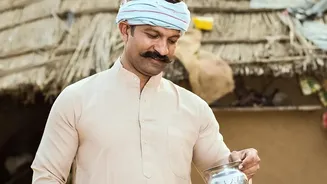
The new wave of tourism invites travellers to become participants, not just spectators. This is most evident in the rise of cultural and rural tourism, which transforms villages into hubs of authentic exchange. Instead of observing artisans in a gallery, visitors can now stay with them, learning a craft firsthand. Culinary experiences go beyond restaurants to 'chulha' cooking sessions in village kitchens, led by local women. These initiatives do more than provide a unique holiday; they foster a sense of pride and confidence within communities, creating a powerful economic engine that keeps cultural traditions alive and thriving. State governments are actively promoting this model, recognising that it connects 'culture, community and commerce' in a sustainable way.
The Homestay and Community-Led Revolution
At the heart of this transformation is the homestay. By opening their homes, local families offer travellers an unparalleled window into daily life, complete with home-cooked meals and genuine connection. This model is particularly powerful in empowering rural communities, providing direct income streams, especially for women and youth, which can help reduce migration to cities. In places like Spiti Valley and parts of Rajasthan, community-based tourism ensures that the economic benefits remain within the village. These are not large, impersonal resorts but networks of local owners who act as hosts, guides, and cultural ambassadors, creating a more equitable and intimate form of travel.
Challenges on the Path Forward
Despite the immense potential, the road ahead has its challenges. Developing rural tourism requires significant investment in infrastructure like roads and digital connectivity. There's a critical need for digital literacy and marketing skills to help rural entrepreneurs connect with a wider audience. Furthermore, as these destinations gain popularity, there is a very real risk of the 'commodification' of culture and potential environmental strain. Striking a balance between growth and preservation is key. The goal is to build a sustainable framework through community participation and strategic public-private partnerships, ensuring that tourism develops with, and for, the local population, not at its expense.