

Understanding Winter Skin
The transition to cooler, drier weather can be tough on our skin. The primary culprit is the drop in humidity. Cold air holds less moisture, which in turn draws moisture out of your skin, a process that leads to dryness and a compromised skin barrier.
This is often made worse by indoor heaters, which further dry out the air, and our tendency to take hotter, longer showers to warm up. While comforting, hot water strips the skin of its natural oils (lipids), which are essential for locking in moisture and protecting it from the environment. This combination of factors can leave the skin on your body feeling tight, itchy, rough, and visibly flaky. For those with conditions like eczema or psoriasis, this seasonal change can be particularly challenging.
Decoding the Lotion Label
Not all lotions are created equal, and the lightweight formula that served you well in the humid summer months may not be sufficient for colder weather. To effectively combat dryness, you need a moisturiser that both adds hydration and prevents moisture loss. Look for products that contain a strategic blend of three types of ingredients: humectants, emollients, and occlusives. Humectants like hyaluronic acid, glycerin, and urea are 'water magnets' that pull moisture into the top layer of your skin. Emollients, such as ceramides, shea butter, and squalane, work by filling in the gaps between skin cells, which helps to soften and smooth the skin's surface and repair its barrier. Finally, occlusives like petrolatum, beeswax, and certain plant oils create a physical barrier on the skin to seal all that moisture in and prevent it from evaporating. For dry winter skin, a thicker cream or balm will often be more effective than a thin lotion.
Mastering the Art of Application
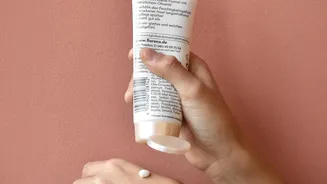
When you apply your lotion is just as important as what's in it. The golden rule of moisturising is to apply your product to damp skin. The ideal time is within a few minutes of stepping out of the shower or bath, after gently patting your skin dry with a towel. Applying lotion to still-damp skin helps to trap that surface water, locking in an extra layer of hydration before it can evaporate. Don't be shy with the amount; use a generous portion and take a moment to massage it in. Start from your ankles and use long, upward strokes towards your heart, which can help stimulate circulation. This not only ensures even coverage but also transforms a daily chore into a moment of self-care. Pay extra attention to notoriously dry areas like elbows, knees, and heels.
Lifestyle Habits for Hydrated Skin
While the right lotion is your first line of defence, several other habits can support your skin's health through the drier months. Consider placing a humidifier in your bedroom to add moisture back into the air while you sleep. Be mindful of your shower habits; opt for lukewarm water instead of hot, and try to keep them shorter. Switch to a gentle, hydrating, and fragrance-free body wash that won't strip your skin. Hydration from the inside out is also key, so make sure you continue to drink plenty of water throughout the day. Finally, gentle exfoliation can be beneficial. Using a product with lactic acid can help slough off the top layer of dead, flaky cells, allowing your moisturiser to penetrate more effectively. Just be careful not to overdo it, as this can cause further irritation.