









The Watchdog's Renewed Bark
The Food Safety and Standards Authority of India (FSSAI) has always been the country's food safety watchdog, but lately, its bark has gotten louder. In a significant push for transparency, FSSAI has intensified its crackdown on misleading claims and incorrect
labelling by food companies. This isn't a routine check; it's a broad, systematic drive against the exaggerated health, nutritional, and quality claims that have become common on packaged foods. The regulator is sending a clear message to the industry: the days of using buzzwords like 'natural', 'healthy', or 'organic' without solid proof are numbered. This renewed vigilance comes as Indian consumers become more health-conscious and regulators aim to tackle the rising tide of lifestyle diseases linked to processed foods.
In the Crosshairs: Who Got Noticed?
The latest round of notices, issued in early July 2026, targeted several well-known companies for a variety of alleged violations. Lotte India, Kubera Foods, Ferns N Petals, Heritage Foods, Dia Foods, and Cipzer Nutraceuticals were among those who received show-cause notices. The issues ranged from specific product claims to broader branding. For instance, Heritage Foods was questioned over its 'Heritage Fresh Paneer', with FSSAI stating that the use of the word 'Fresh' did not meet the required legal conditions and could mislead shoppers. Similarly, Lotte India faced scrutiny for claims on its Choco Pie variants and for branding its 'FRUITZ Eclairs' in a way that could suggest the presence of fruit where there is none.
Decoding the 'Health' Halo
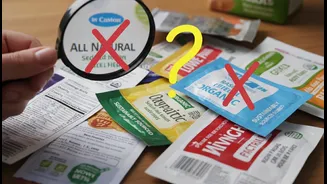
A major focus of the FSSAI's crackdown is the so-called 'health halo' that brands create with appealing but often empty words. The regulator is challenging claims that aren't scientifically substantiated. For example, Kubera Foods' 'Soft and Fresh Cream Bun' was labelled '100% Natural' and 'No Preservatives', yet its own ingredient list declared a preservative and synthetic colour. Dia Foods' chocolate spread was pulled up for using 'All Natural', '100% Organic', and 'Vegan' on its packaging, when it allegedly hadn't received the necessary prior approvals for the 'organic' and 'vegan' endorsements. Even more alarmingly, Cipzer Nutraceuticals' 'Juice Capsules' made claims like 'boost your immune system' and 'remove toxins from your body' without providing the required scientific backing.
Beyond the Buzzwords: Common Violations
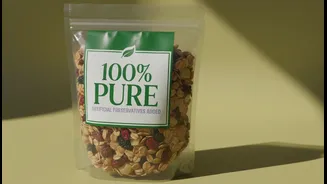
The notices reveal a pattern of common labelling tricks that consumers should watch for. One major issue is the use of absolute terms like '100%'. FSSAI has clarified that the term '100%' isn't even defined under the Food Safety Act, making claims like '100% Organic' inherently misleading if not properly certified. Another flagged issue is the use of 'FSSAI Approved'. The regulator has stated this is deceptive, as FSSAI licenses businesses to operate but does not individually 'approve' or endorse specific products. Other notices have targeted products using a brand name that implies health ('Healthy Happiness') or nature ('Natural Paneer') without meeting stringent regulatory criteria.
Your Power as a Consumer
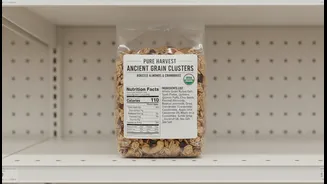
While FSSAI's actions are a crucial step, true change begins in the shopping aisle. This crackdown serves as a powerful reminder for consumers to become more critical readers of food labels. Always turn the package over. The ingredient list, which must list contents in descending order of weight, tells a more honest story than the marketing claims on the front. Be skeptical of claims like 'natural', 'fresh', and 'healthy'—these terms are now under intense scrutiny and often don't mean what you think they do. Look for official certifications for claims like 'organic' or 'vegan'. If a product's front-of-pack promises seem too good to be true, the fine print on the back will likely reveal why.