



Why Monsoon Demands a Shopping Rethink
The rainy season creates a perfect storm for food contamination. The warm, humid environment is an ideal breeding ground for bacteria, viruses, and mould. This means food spoils much faster than in other seasons. Furthermore, heavy rains can lead to waterlogging
and transportation delays, affecting the freshness of produce by the time it reaches markets. Water sources themselves can become contaminated, increasing the risk of waterborne diseases like gastroenteritis, typhoid, and cholera being transmitted through our food. This combination of factors makes it crucial to be extra vigilant about what you buy and how you store it.
The Hidden Risks of Pre-Cut Produce
Convenience often comes at a cost, and during the monsoon, that cost can be your health. Pre-cut fruits and vegetables, while time-saving, are best avoided. Once a fruit or vegetable is cut, its protective outer skin is gone, exposing the flesh to the environment. The increased surface area, combined with high humidity, allows bacteria to multiply rapidly. Experts warn that pre-cut produce sold by street vendors is particularly risky, as it may have been washed with contaminated water, handled with unclean hands, or left exposed to dust and flies for hours. Consuming such items significantly increases the likelihood of stomach infections and food poisoning.
Embrace Whole Produce: Nature's Packaging
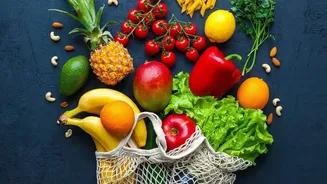
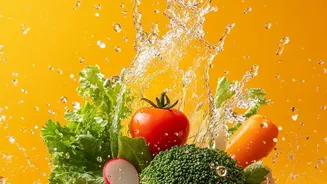
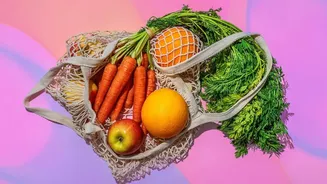
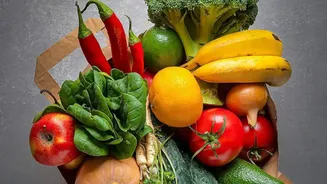
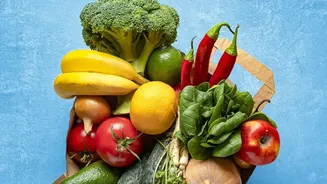
The solution is simple: stick to whole, uncut fruits and vegetables. The natural skin or peel acts as a protective barrier, keeping the inside safe from environmental contaminants. When you buy produce whole, you control the cleaning process. A thorough wash under clean, running water right before consumption is one of the most effective food safety measures. For leafy greens, which can trap mud and microbes, a soak in salt water or a mild vinegar solution can provide additional cleaning power. By buying whole, you ensure your food is as fresh and safe as possible.
Shop Small, Shop Often
While bulk buying might seem economical, it’s a counterproductive strategy during the monsoon. Stocking up on perishable items like vegetables, fruits, and even dairy products can lead to significant waste as they spoil quickly in the damp weather. Nutritionists advise purchasing only what you can consume within a day or two. This approach ensures maximum freshness and minimizes the risk of consuming something that has started to turn. For pantry staples like atta and rice, it's also wise to buy smaller quantities to prevent moisture absorption and pest infestation, which are common issues this season.
Your Monsoon Vegetable Checklist
Certain vegetables hold up better during the rainy season. Gourds like lauki (bottle gourd), turai (ridge gourd), and parwal (pointed gourd) are excellent choices as they have thick skins and are less prone to spoilage. Other good options include tinda (Indian squash), pumpkin, and sweet potatoes. Be extra cautious with leafy greens like spinach and cabbage; they must be washed meticulously. It’s also recommended to steam or cook raw salad vegetables like cucumber and carrots instead of eating them raw, especially if you are unsure of their hygiene.
Smart Fruit and Pantry Choices
For fruits, choose seasonal options with thick peels like pomegranates, apples, and pears. Always wash them thoroughly and cut them yourself just before eating. In your pantry, focus on stocking up on items that are less affected by humidity. Lentils and pulses should be stored in airtight glass or steel containers, perhaps with a few bay leaves to deter pests. Whole spices like turmeric, black pepper, and ginger are also great to have on hand, not just for flavour but for their natural anti-inflammatory and digestive properties. Storing everything in airtight containers is the golden rule to combat moisture.