





The New Festival Calendar
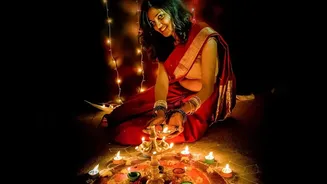
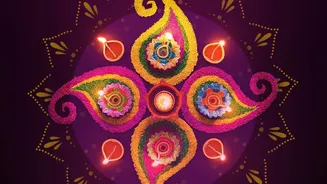
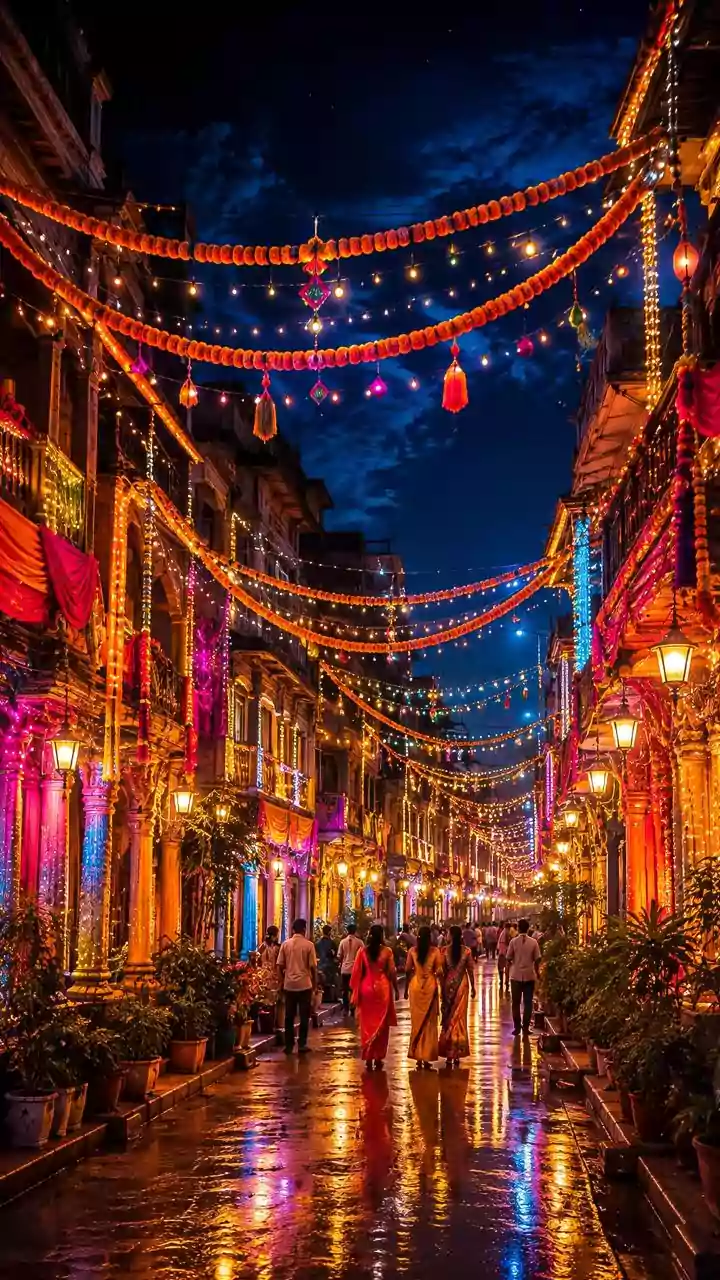
For generations, festive spending was synonymous with a few national holidays. But for today's Gen Z and millennial shoppers, the calendar is much broader. Regional celebrations like Onam in Kerala, Durga Puja in West Bengal, and Bihu in Assam are no longer
just cultural observances; they are becoming distinct shopping seasons. Recent reports show a clear pattern of increased consumer spending during these periods. This isn't just about buying new clothes. The modern festive basket has expanded to include home décor, electronics, beauty products, and even curated food items. This shift indicates a deeper integration of cultural identity with consumer behaviour, where celebrating one's regional heritage provides a powerful new reason to shop.
Driven by Digital Discovery
Social media is the primary engine driving this trend. Platforms like Instagram and YouTube have become virtual pandals where festive trends are born and amplified. 'Get Ready With Me' (GRWM) videos, influencer-led style guides for specific festivals, and targeted ad campaigns create a sense of occasion and urgency. According to a recent Snapchat and GWI study, seven in ten Gen Z consumers discover products through creator content. This digital exposure transforms regional festivals into highly visual events, encouraging spending on fashion, makeup, and accessories to create a shareable 'look'. The line between celebration and content creation is blurring, and young shoppers are willing to spend to ensure their festive experiences are picture-perfect.
A Quest for Authenticity
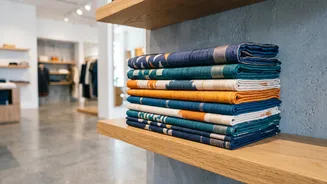
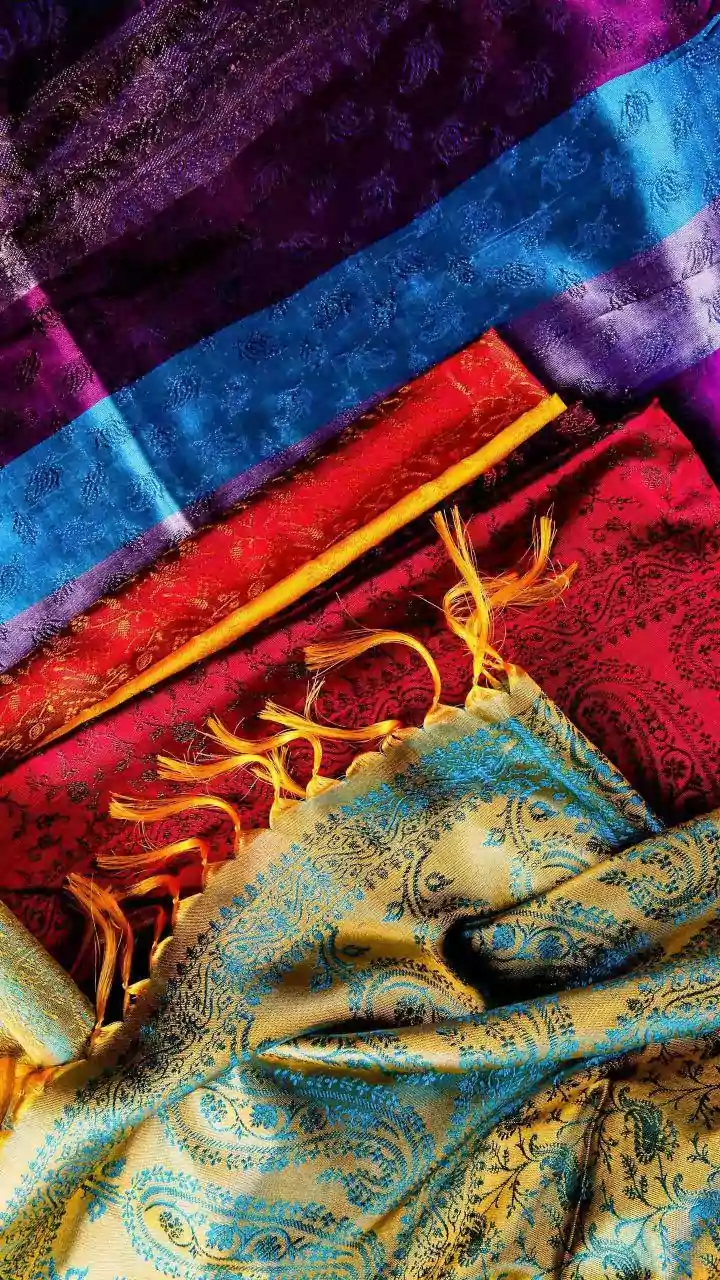
While social media fuels aspiration, the trend isn't purely about consumerism. Many young shoppers are consciously moving away from mass-produced goods and seeking out authentic, handcrafted products that connect them to their roots. This has created a booming market for local artisans and direct-to-consumer (D2C) brands that emphasize heritage and craftsmanship. For example, a D2C brand might launch a video campaign highlighting weavers preparing sarees for the festival months, positioning their products as cultural artifacts. By purchasing from these sellers, young consumers feel they are not just buying a product, but also supporting local economies and preserving traditional skills. This search for meaning adds another layer to their festival spending, blending personal identity with economic empowerment.
How Brands Are Responding
Smart brands are taking notice and shifting their strategies beyond a one-size-fits-all festive approach. Many are reallocating significant portions of their marketing budgets—some reports suggest 25-40% for D2C brands—towards regional activations. This involves tailoring messaging, using regional influencers, and even launching festival-specific product lines. For example, a national beauty brand might release special edition shades inspired by local culture, while coffee brands create festive flavour variants and gifting combos. Companies are also engaging directly with festival-goers through on-ground pop-up stalls and QR-code driven offers at local celebration venues, recognizing that these cultural hubs are now powerful points of sale. This targeted approach allows brands to build deeper, more relevant connections with consumers in a cluttered market.