








The Basics of Exchange Rates
At its core, the value of the rupee is determined by its exchange rate against other currencies, like the US Dollar (USD), Euro (EUR), or British Pound (GBP). This rate isn't fixed; it changes daily based on economic factors like inflation, interest rates,
and global events. When the rupee 'weakens' or 'depreciates', it means you need more rupees to buy one unit of a foreign currency. For example, if the rate moves from ₹85 to ₹87 per dollar, the rupee has weakened. Conversely, if it moves to ₹83, it has 'strengthened'. This simple fluctuation is the starting point for all international cost calculations.
How a Weak Rupee Hits Your Travel Budget
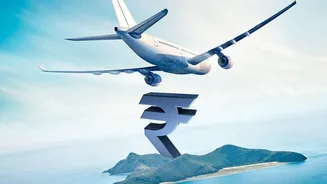
A weakening rupee makes almost every part of an international trip more expensive for an Indian traveller. Flights, often priced in dollars or other major currencies, will cost more in rupee terms. A hotel room priced at €100 a night costs ₹9,100 if the exchange rate is ₹91 to the Euro, but jumps to ₹9,400 if the rate slips to ₹94. This applies to everything you spend on abroad: food, local transport, museum tickets, and souvenirs. A trip budgeted at $3,000 could see its cost inflate by tens of thousands of rupees simply due to currency movements between planning and payment. This has led many travellers to shorten their trips, opt for destinations where the rupee is stronger, or postpone plans altogether.
The Global Shopping Cart Dilemma
The same logic applies to shopping on international e-commerce sites. That gadget or fashion item priced in dollars or pounds becomes more expensive when the rupee is weak. But the impact doesn't stop at the listed price. Customs duties and taxes are often calculated on the assessed value in rupees, so a higher conversion rate can lead to higher taxes, further inflating the final cost. Even products sold in India that rely heavily on imported components, like electronics, can see their prices rise as manufacturers pay more for parts. Essentially, a weak rupee can shrink your purchasing power both abroad and at home for certain goods.
Beyond Holidays: The Broader Impact
The rupee's value has significant implications beyond tourism and shopping. For students aspiring to study abroad, this is a critical factor. Tuition fees and living expenses are priced in the local currency of the university. A depreciating rupee can increase the total cost of education by lakhs over the course of a multi-year program, making it a major financial strain on families. Even hidden costs like visa fees and travel insurance can become more expensive. This currency risk is a major, often overlooked, part of financial planning for overseas education.
Smart Strategies to Protect Your Wallet
While you can't control currency markets, you can adopt smarter strategies. One of the most common mistakes is falling for 'Dynamic Currency Conversion' (DCC). When paying with your card abroad, a terminal might ask if you want to pay in INR or the local currency. Always choose the local currency. Choosing INR (DCC) often means you're accepting a much less favourable exchange rate set by the merchant's bank. It's better to let your own bank or card network handle the conversion. Using a multi-currency forex card allows you to load foreign currency at a locked-in rate before you travel. Booking flights and hotels well in advance can also help you lock in costs and avoid last-minute price shocks driven by currency volatility.