


A New Wardrobe for a New Destination
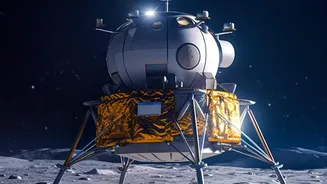
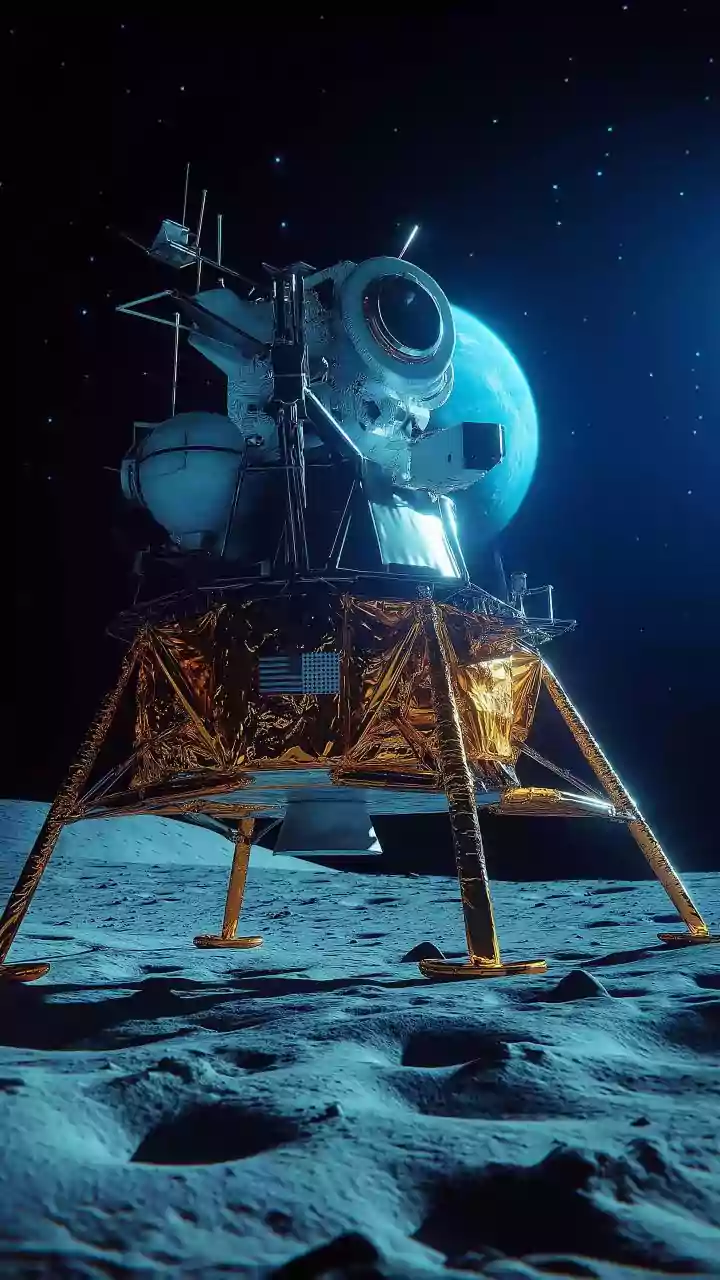
For the first time since the Apollo 17 mission in 1972, humanity is preparing to return to the lunar surface. But the Artemis III mission, currently targeting 2027, has a different destination in mind: the Moon's south pole. This region is scientifically
fascinating, with permanently shadowed craters that may hold water ice, a crucial resource for future long-term bases. However, it is also far more treacherous than the relatively flat equatorial regions explored by the Apollo crews. The terrain is rugged, heavily cratered, and marked by steep slopes and dramatic, long shadows cast by the low-angle sun. These challenges demand a new generation of spacesuit, one that allows for more than just planting a flag and collecting a few rocks.
Introducing the AxEMU Spacesuit
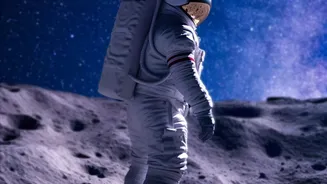
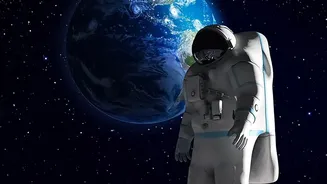
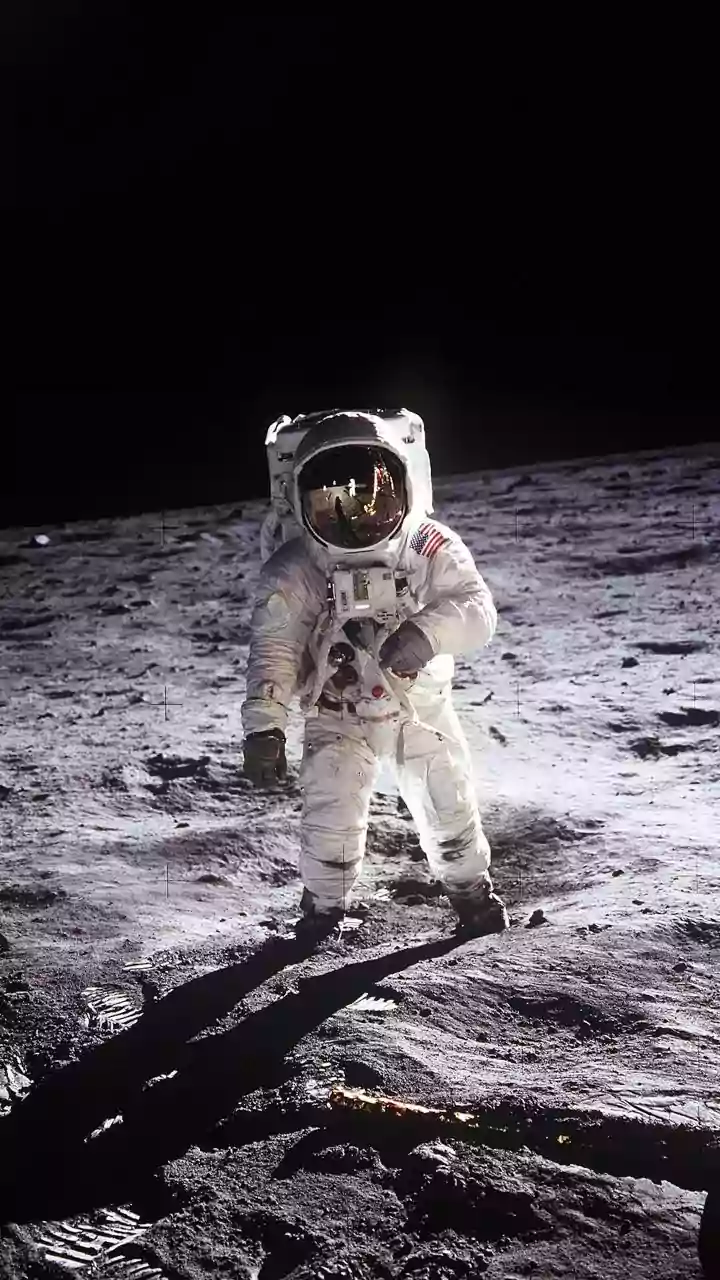
Enter the Axiom Extravehicular Mobility Unit, or AxEMU. Developed by commercial partner Axiom Space, this next-generation suit is a stark departure from its predecessors. Building on NASA's own designs, the AxEMU is engineered to provide astronauts with the agility and range of motion needed for genuine geological fieldwork. While prototypes were shown in a dark grey cover, the final suits worn on the Moon will be white to reflect the harsh sunlight. A key design philosophy is accessibility; the suit is highly adjustable and designed to fit a broad range of body types, accommodating at least 90 percent of the US male and female population, a significant improvement on past custom-fit models.
Designed for a Dancer's Grace
The secret to the suit's enhanced mobility lies in its joints. Unlike the rigid, bulky suits of the past that severely restricted an astronaut's ability to bend and crouch, the AxEMU incorporates advanced bearings and a combination of soft and hard components to allow for a more natural range of motion. This means astronauts will be able to bend at the waist and knees, twist, and walk with a more normal gait instead of the familiar lunar hop. This newfound flexibility is not just for comfort; it is critical for the mission's scientific goals. Astronauts will need to be able to kneel to inspect geological formations, bend down to pick up soil samples, and navigate uneven ground with tools in hand—tasks that were difficult, if not impossible, during the Apollo era.
Built Tough for a Harsh Environment
Beyond flexibility, the AxEMU is built to withstand the unique hazards of the lunar south pole. The environment features extreme temperature swings, and the suit is designed to protect astronauts in the frigid, permanently shadowed regions for hours at a time. It also offers enhanced protection against the abrasive, razor-sharp lunar dust that can damage equipment and pose a health risk. The suit's life support systems are fully redundant, and it includes advanced helmet and visor coatings to improve an astronaut's view in the tricky lighting conditions of the south pole, where blinding sunlight can sit next to the pitch-black of a shadowed crater. Even the gloves have been redesigned for better dexterity, a frequent complaint from past astronauts.