


Embracing Nature's Rhythms
Long before 'farm-to-table' became a global catchphrase, Indian kitchens were already operating on this principle. Traditional festive cooking is a testament to this, with specific dishes and ingredients appearing in sync with the agricultural cycles.
This practice ensures that the food is not only at its freshest and most flavourful but also packed with the nutrients our bodies need for that particular time of year. By aligning our festive menus with seasonal produce, we honour a culinary wisdom that is both sustainable and delicious, connecting us to the land and our heritage with every bite.
Winter's Hearty Celebrations (December - February)
Winter brings some of India’s most beloved festivals, like Lohri, Makar Sankranti, and the lead-up to the new year. The cool weather yields a bounty of robust produce. Leafy greens like mustard (sarson) and fenugreek (methi) are at their peak. This is the time for the classic Sarson da Saag, a slow-cooked dish of mixed greens, best served with Makki di Roti (maize flatbread). Carrots are sweet and abundant, making them perfect for the rich, decadent Gajar ka Halwa, a staple dessert for winter celebrations. For Makar Sankranti, freshly harvested sesame seeds and jaggery are used to make Til Laddoos or Gul Poli, sweets that signify warmth and unity.
Spring's Vibrant Flavours (March - April)
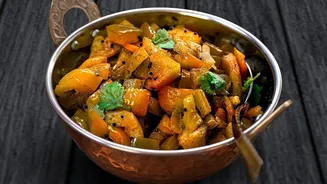
As winter recedes, spring arrives with the joyous festival of Holi. The markets fill with fresh, vibrant produce that mirrors the festival's colourful spirit. This is the season for the last of the winter peas and the first appearance of raw green mangoes. A classic Holi menu might feature Gujiya, sweet dumplings filled with khoya and nuts, and Dahi Vada, soft lentil fritters soaked in yoghurt. For a refreshing drink, Thandai is prepared, often infused with fresh nuts and seeds. A savoury highlight is Kathal ki Sabzi, a dish made from green jackfruit, which comes into season during spring and makes for a hearty, flavourful curry.
Summer's Lush Offerings (May - June)
While major national festivals are less frequent in the peak summer months, regional celebrations and family gatherings make full use of the season's star produce: the mango. Available in countless varieties, mangoes are used in everything from Aamras (sweet mango puree) served with puris to refreshing Mango Lassi. The intense heat also brings an array of gourds like lauki (bottle gourd) and tindora (ivy gourd), which are prized for their cooling properties. A simple Lauki Chana Dal offers a nutritious and light meal, perfect for hot days. Hydrating fruits like watermelon and muskmelon are also plentiful, often enjoyed simply sliced or as fresh juice.
The Monsoon Harvest (July - September)
The monsoon rains rejuvenate the land, bringing forth a unique array of produce. This season is synonymous with festivals like Ganesh Chaturthi and Janmashtami. One of the most iconic sights and smells of the monsoon is roasted corn on the cob (bhutta), seasoned with salt, chilli, and lime. An abundance of gourds and leafy greens like amaranth continues. For a festive snack, crispy pakoras made from onions, spinach, or potatoes are a classic choice, perfectly paired with a hot cup of masala chai. In Maharashtra, for Ganesh Chaturthi, steamed Modaks are prepared, often with a sweet filling of fresh coconut and jaggery, reflecting the coastal bounty.
Autumn's Festive Peak (October - November)
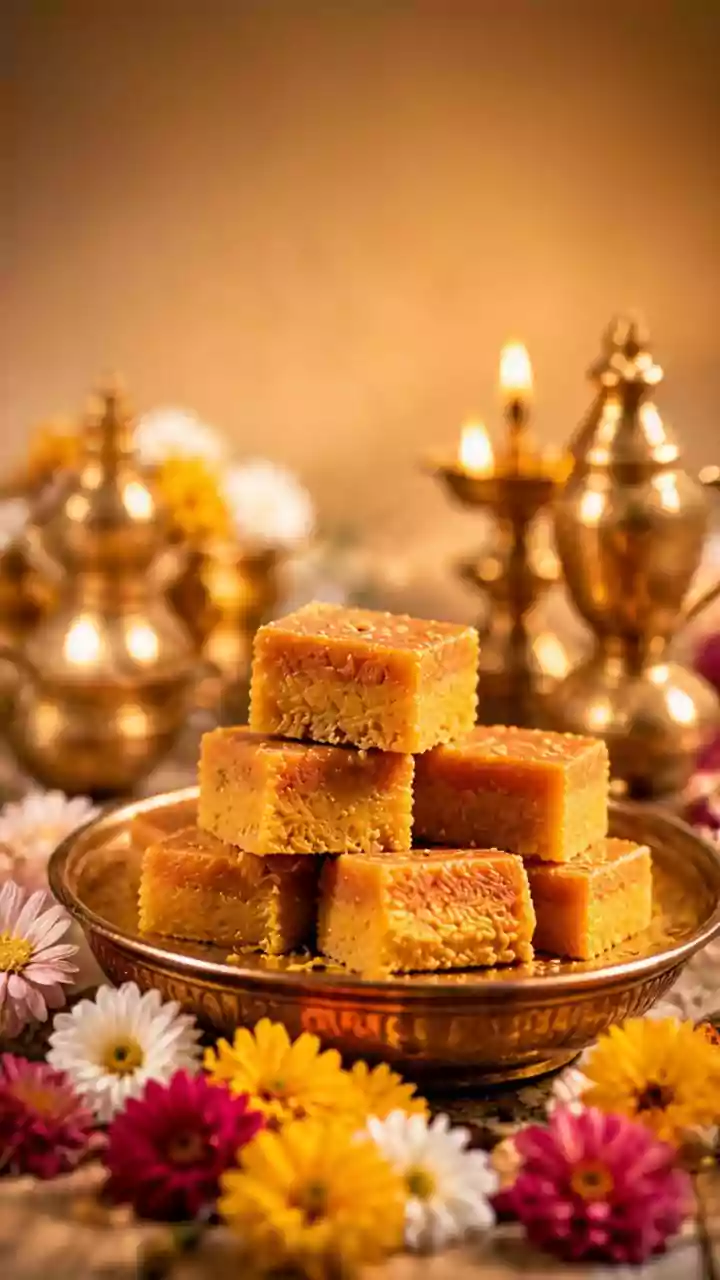
Autumn is the height of the festive season in India, culminating in Diwali, the festival of lights. The weather is pleasant, and the harvest is rich. Late monsoon vegetables and early winter produce are both available. Pomegranates and custard apples (sitaphal) are in season, often used to garnish sweets or enjoyed on their own. Cauliflower and peas are used in savoury dishes like Aloo Gobi. Diwali feasts are elaborate, featuring a mix of snacks (faral) and sweets. Dishes like Chole Bhature, a hearty chickpea curry with fried bread, are popular. Sweets are central, with Besan Laddoos and Kaju Katli being iconic choices made and shared among family and friends.