




More Than Just Nightlife
First, let's clear up a misconception: noctourism isn't just about bars and clubs. It’s a broader, more intentional way of experiencing a destination between dusk and dawn. Think of it as a second shift for sightseeing, where the focus moves from crowded
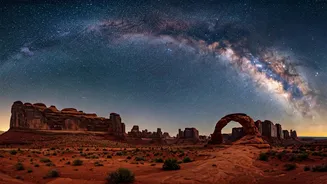
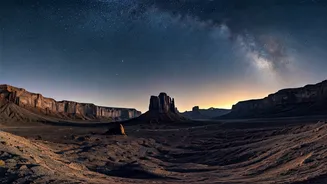
daytime landmarks to the unique natural and cultural phenomena that emerge in the absence of the sun. This can mean anything from guided stargazing in a protected dark sky reserve to exploring a city’s illuminated architecture without the daytime crowds. For a growing number of American travelers, it’s an answer to over-tourism and a search for more authentic, less-frequented experiences. Instead of fighting for the perfect photo in the midday heat, you’re connecting with a place on a quieter, more profound level.
Rajasthan: The Desert's After-Dark Magic
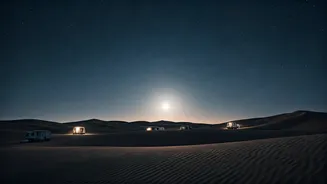
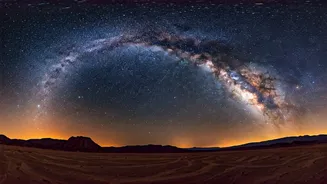
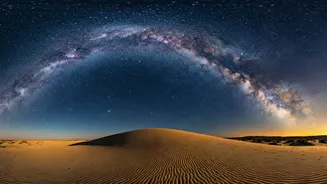
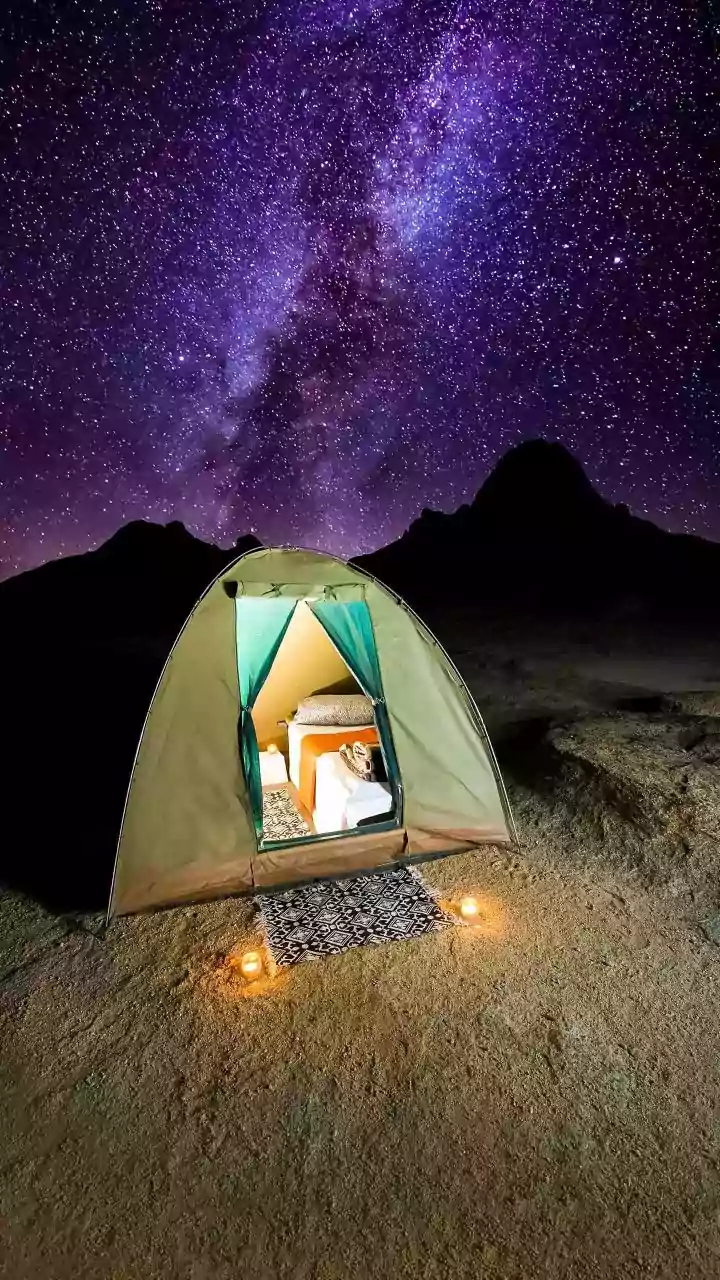
In Rajasthan, a state known for its majestic forts and vibrant colors, the night reveals a completely different kind of beauty. Here, noctourism is deeply rooted in the landscape and culture. Tour operators are capitalizing on the clear desert skies with overnight camel safaris that culminate in sleeping under a brilliant canopy of stars in the Thar Desert. Beyond the popular city of Jaisalmer, visitors can experience traditional folk music and dance performances around a bonfire, a timeless activity that feels far removed from modern life. The region’s iconic forts and palaces, like Mehrangarh in Jodhpur or Amer Fort near Jaipur, are often spectacularly illuminated at night, offering a dramatic and crowd-free viewing experience. This blend of cultural immersion and natural wonder makes Rajasthan a prime destination for those looking to see a different side of India's 'Land of Kings.'
Ladakh: A Window to the Cosmos
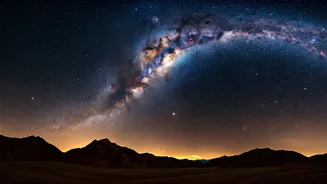
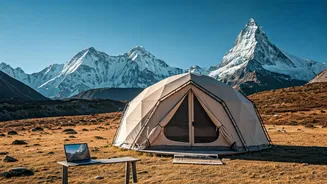
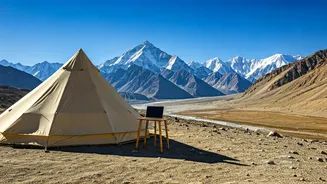
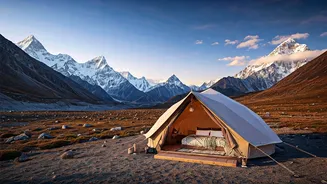
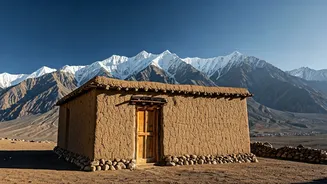
While Rajasthan offers cultural nights, Ladakh delivers the universe. This high-altitude desert region in the Himalayas is rapidly becoming one of the world's premier astro-tourism destinations. The key driver is the Hanle Dark Sky Reserve, India’s first such sanctuary. Located at a breathtaking altitude of over 14,000 feet, Hanle benefits from minimal light pollution, bone-dry air, and consistently clear skies, creating near-perfect conditions for stargazing. Here, the Milky Way isn't a faint smudge; it's a brilliant, textured river of light. Local communities and entrepreneurs are developing homestays and guided tours equipped with telescopes, allowing visitors to see planets, nebulae, and distant galaxies with stunning clarity. For travelers seeking awe and a humbling sense of scale, Ladakh's night sky is the main event, not just an afterthought.
The Search for Quiet and Authenticity
The boom in noctourism isn't happening in a vacuum. It's a direct response to a post-pandemic shift in travel priorities. Modern tourists are increasingly seeking out sustainable, low-impact activities that connect them with local communities and the natural world. Nighttime tourism often fits this bill perfectly. It helps disperse crowds from peak daytime hours, reducing the strain on popular sites and creating a more pleasant experience for everyone. It also opens up new economic opportunities for local guides, homestay owners, and artisans in rural areas. By turning the quiet of the night into an asset, destinations like Rajasthan and Ladakh are not only diversifying their tourism offerings but also promoting a more thoughtful and sustainable way to explore the world.