



The Rise of the Solo Diner
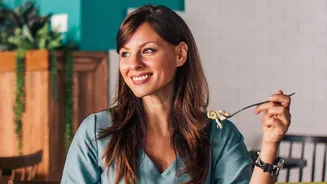
Once seen as a slightly lonely act, dining out alone is now being embraced as a form of self-care and a moment of personal indulgence. In India, this trend has seen a dramatic uptick, with some reports noting a nearly 38% increase in solo dining over
the last year. This shift is largely driven by millennials and Gen Z, who view eating alone not as a compromise but as a deliberate choice for 'me-time'. Factors like busy schedules, the rise of remote work, and a desire for quiet moments have transformed the solo meal from a necessity into a cherished ritual. Social media has also played a significant role, with many sharing their solo dining adventures, further destigmatizing and even glamorizing the experience.
Comfort Is More Than a Dish
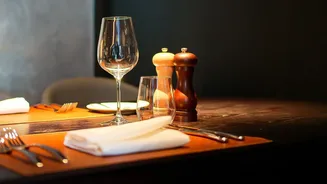
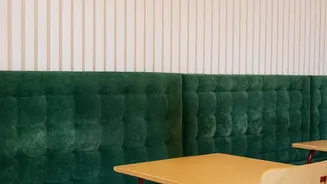
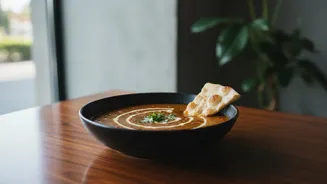
When the headline mentions comfort, it’s not just about dal makhani or a warm bowl of soup. For the solo diner, comfort is deeply psychological. It’s the feeling of being welcomed, not watched; of belonging, not being an afterthought. The restaurant industry is learning that the experience is just as important as the food. The ideal environment for a solo diner minimizes any potential for awkwardness. This can be achieved through thoughtful design, such as offering counter or bar seating which feels more natural for an individual than a two-person table. Attentive but not overbearing service is key—staff who understand when to engage and when to give space make a world of difference. It's about creating a space where the diner feels in control and at ease.
The Menu as a Welcome Mat
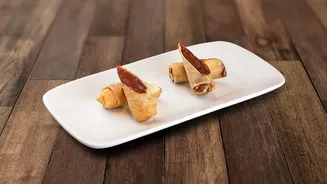
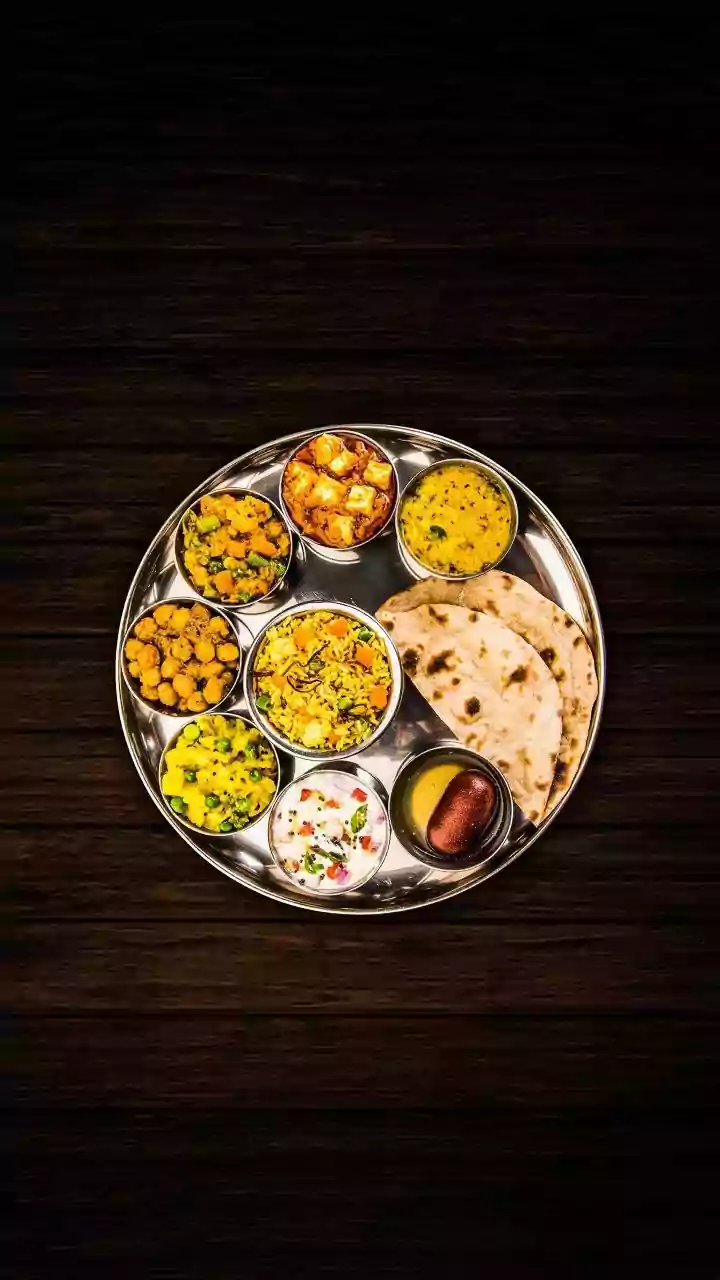
The most direct way restaurants are catering to solo diners is by rethinking the menu itself. The era of shareable platters and family-sized portions being the only exciting options is fading. Instead, chefs and restaurateurs are crafting menus that empower individual choice. This includes offering a wider variety of small plates or appetizers, allowing a single person to create their own tasting experience. Some establishments are going a step further by designing tasting menus specifically for one, ensuring solo patrons don't miss out on the signature culinary journey. Single-person meal boxes and combos, once the domain of quick-service restaurants, are now getting a gourmet makeover in casual and fine-dining settings, offering a complete, well-balanced meal without the pressure to over-order.
Designing the Perfect Solo Experience
Beyond the menu, the entire ecosystem of the restaurant is being adapted. Communal tables are becoming more common, offering a subtle sense of company without forced interaction. Technology also plays a part; QR code ordering and payment systems can provide a smoother, lower-friction experience for those who prefer it, reducing interruptions and giving the diner more command over their pacing. The global nature of this trend provides plenty of inspiration. For instance, ramen shops in Japan have perfected the art of solo dining with individual booths designed for minimal distraction and maximum flavour focus. While that may be an extreme example, the underlying principle—respecting the solo diner's experience—is now a hallmark of modern hospitality. These diners are often discerning and appreciative, making them a loyal and valuable customer base for establishments that get it right.