





The Hidden Toll of Sitting Still
Our bodies are designed for movement, but many modern jobs demand we stay seated for hours on end. This prolonged sitting, often in a slouched posture, puts continuous pressure on the spine, particularly the lower back. The cushions between your vertebrae,
known as intervertebral discs, act as shock absorbers. Unlike other tissues, they have a poor blood supply and rely on the body's motion to receive nutrients and expel waste. When you sit still for long periods, this exchange process slows down, essentially starving the discs. This can lead to disc degeneration, loss of flexibility, and a flattened lumbar curve, increasing the load on your spine and contributing to stiffness and pain.
Why Your Spine Craves Motion
Movement is the key to a healthy spine. Think of it as a 'pump' mechanism for your discs. When you move, you create a cycle of loading and unloading that pushes out metabolic waste and draws in fresh, nutrient-rich fluid, keeping the discs hydrated and healthy. This is why even gentle, low-impact activities like walking are so beneficial; they promote circulation to the spinal tissues without adding excessive stress. Furthermore, regular movement activates the core and back muscles that act as a natural brace for your spine. When these muscles are engaged, they help distribute weight more evenly and reduce the strain on your discs and ligaments, preventing the stiffness and fatigue that set in after hours of inactivity.
The Power of the Micro-Break
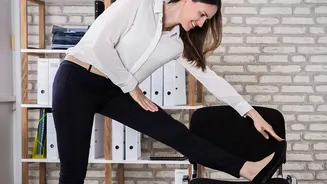
You don't need a full-hour gym session in the middle of the day to counteract the effects of sitting. Research shows that short, frequent 'micro-breaks' can be incredibly effective. These are brief interruptions, lasting anywhere from 30 seconds to a few minutes, taken every 30 to 60 minutes. The goal isn't an intense workout, but simply to break the cycle of static posture. Standing up, stretching, or taking a quick walk around the office can reactivate muscles, improve blood flow, and give your spinal discs the motion they need. Studies have found these small but consistent breaks can decrease musculoskeletal pain, reduce fatigue, and even boost focus and productivity without disrupting your workflow.
Simple Movements to Try at Your Desk
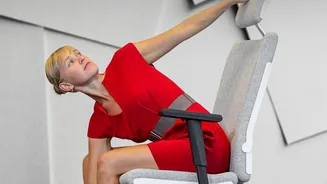
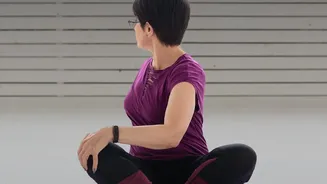
Integrating movement into your day can be seamless. You don't need special equipment or a lot of space. Here are a few easy exercises you can do right at your workstation:Seated Spinal Twist: Sit tall in your chair with your feet flat on the floor. Gently twist your torso to one side, using the chair's backrest for a light stretch. Hold for 15-30 seconds and repeat on the other side. This helps improve spinal mobility.Cat-Cow Stretch: While seated, place your hands on your knees. As you inhale, arch your back and look up (Cow). As you exhale, round your spine and tuck your chin to the chest (Cat). Repeat 5-10 times to increase flexibility.Standing Backbend: Stand up and place your hands on your lower back for support. Gently arch your back, looking up slightly. This simple movement helps counteract the forward slouch of sitting.Shoulder Blade Squeeze: Sit or stand tall and squeeze your shoulder blades together, as if holding a pencil between them. Hold for five seconds and release. This strengthens the muscles that support good posture.
Building a Sustainable Movement Habit
The key to long-term spine health is consistency. Knowing you should move is one thing; remembering to do it is another. Try setting a recurring timer on your phone or computer to remind you to get up every 30 or 60 minutes. Another effective strategy is 'habit stacking'—linking your new movement habit to an existing one. For example, decide to do a few stretches every time you finish a call or after you send an important email. The easier you make it to incorporate these mini-breaks into your natural workflow, the more likely you are to stick with them. Over time, these small interruptions become second nature, creating compounding benefits for your comfort and health.