



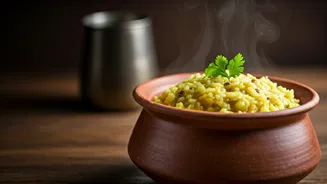


The Humble Hero of the Kitchen
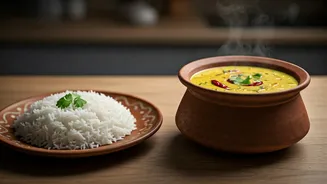
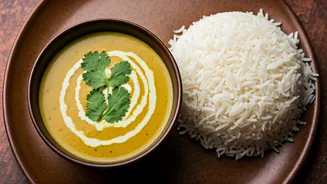
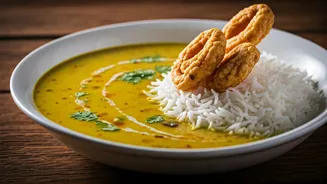
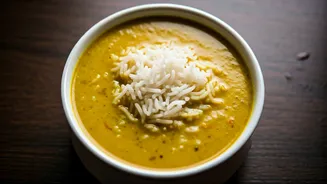
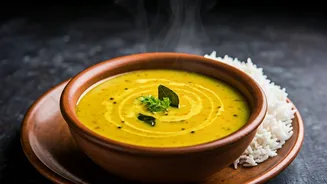
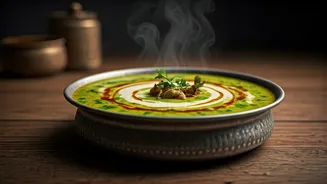
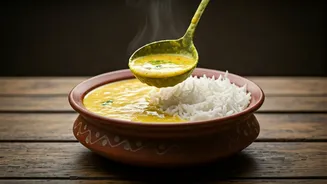
For many of us, the mere mention of Kadhi evokes a very specific memory. It’s the aroma of a tangy, slow-simmered yogurt and gram flour (besan) gravy, often punctuated by the earthy scent of tempering spices like mustard seeds, fenugreek, and asafoetida
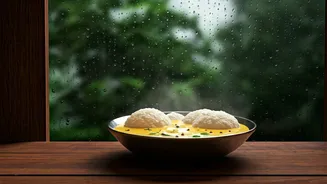
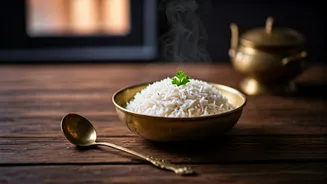
(hing). Served steaming hot over a mound of plain rice, it’s the culinary equivalent of a warm hug. Kadhi is the ultimate 'ghar ka khana' — a dish that spells home, comfort, and maternal love. But its very familiarity is perhaps why we take it for granted. We see it as simple, everyday fare, a fallback option for a light meal. In doing so, we overlook the quiet genius and incredible diversity packed into this one-pot wonder. It's time we look past its humble reputation and recognise Kadhi for what it truly is: a masterpiece of Indian culinary ingenuity.
A Dish with a Thousand Faces
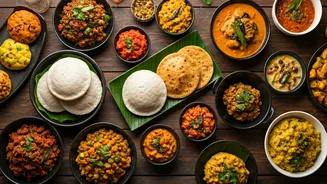
To say you know Kadhi is to invite the question: which one? This is not a monolithic dish. Its identity shifts dramatically as you cross state lines, transforming in taste, texture, and accompaniments. In Punjab, it’s a thick, spicy, and sour gravy, made robust with deep-fried onion and besan fritters (pakoras). It's a hearty, substantial meal in itself. Travel west to Gujarat, and the dish becomes an entirely different entity. The Gujarati Kadhi is thin, pale, and delicately sweet, balanced with a subtle tang and often perfumed with cinnamon and cloves. It’s a light, refreshing counterpoint to a plate of khichdi or pulao. The Rajasthani version is fiery and typically pakora-less, relying on a powerful hit of spice to combat the arid climate. Meanwhile, Sindhi Kadhi is a veritable festival of vegetables like drumsticks, cluster beans, and okra, all simmered in a tamarind-soured tomato and besan gravy. Each variation is a testament to local produce, climate, and taste, showcasing an adaptability that few other dishes can claim.
Born from Frugality and Genius
Kadhi’s story is rooted in the timeless Indian principle of resourcefulness. At its core, the dish was designed to make the most of simple, inexpensive ingredients. It’s a brilliant way to use up soured yogurt or buttermilk (chaas) that might otherwise be discarded. By combining it with besan — a shelf-stable flour made from chickpeas — our ancestors created a nourishing, protein-rich gravy without relying on expensive vegetables or lentils. This culinary alchemy turns two basic pantry staples into a deeply satisfying meal. The practice of tempering (tadka or chhaunk) adds a final layer of complexity, infusing the simple base with layers of flavour from spices bloomed in hot ghee or oil. It’s a dish that embodies the philosophy of 'waste not, want not', proving that incredible flavour doesn’t require extravagance. It’s peasant food in the most glorious sense of the word: smart, sustainable, and soulful.
Why Is It So Underrated?
So, if Kadhi is so versatile and brilliant, why doesn't it get the star treatment afforded to dal makhani or butter chicken? The answer lies in its domesticity. It’s rarely the centrepiece of a wedding menu or a star offering at a high-end Indian restaurant. It remains firmly in the realm of home cooking, a dish made by mothers and grandmothers, not by professional chefs. While dishes like biryani and various kebabs have been successfully elevated to fine-dining status, Kadhi remains on the sidelines, perceived as too simple, too common. But this perception is a disservice to its legacy. It is a culinary chameleon, a historical document in a bowl, and a comforting presence in millions of homes. Its simplicity is its strength, not a weakness. It doesn’t need elaborate reinvention; it just needs our appreciation.