


The Great Rice Revival
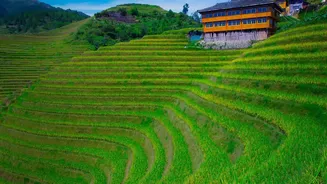
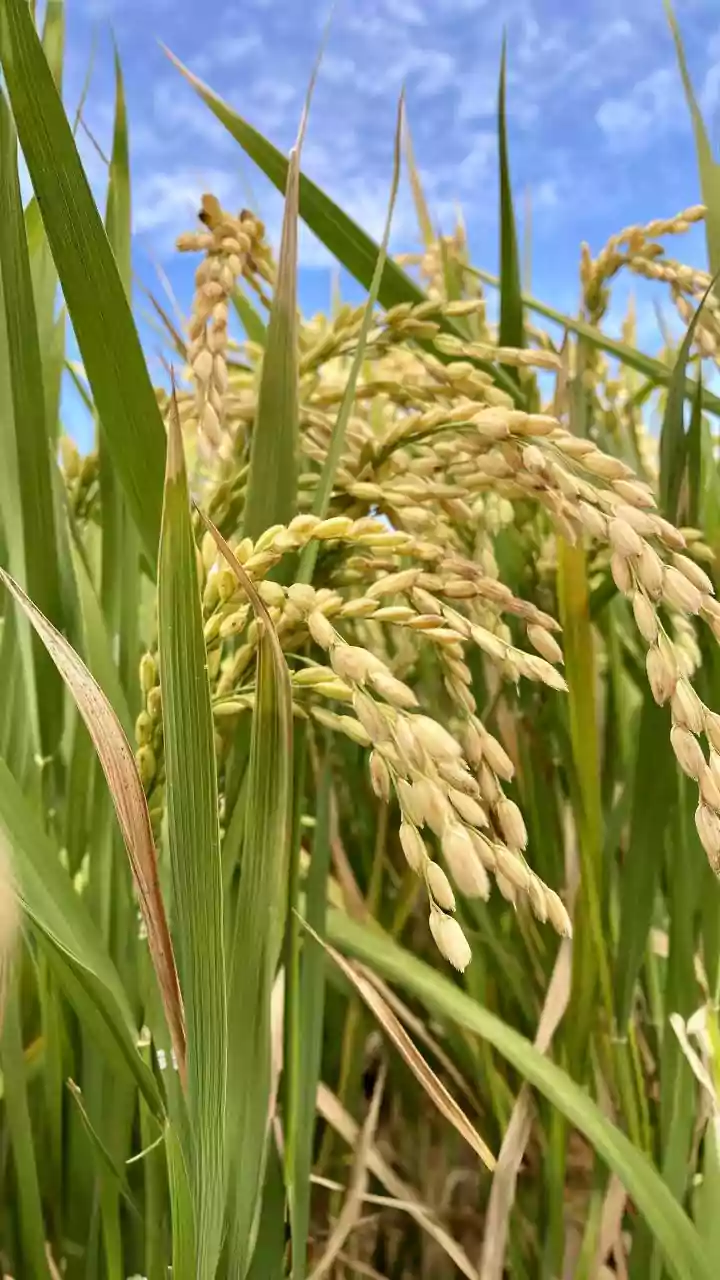
For decades, the agricultural landscape in India was dominated by high-yield varieties of rice, a legacy of the Green Revolution. While these crops boosted food security, they also led to a sharp decline in agrobiodiversity, with thousands of indigenous
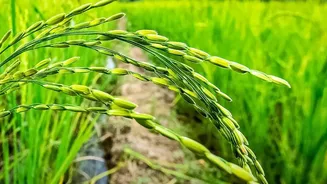
rice strains vanishing from farms and fields. Today, however, a powerful counter-movement is underway. Farmers, conservationists, chefs, and increasingly, consumers, are championing the return of these 'lost' grains. This revival is not just about nostalgia; it's a conscious choice driven by a renewed interest in health, sustainability, and the unique flavours that define India's diverse culinary heritage.
More Than Just Carbs: A Nutritional Powerhouse
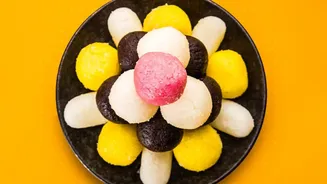
One of the biggest drivers of this trend is the superior nutritional profile of heritage rice. Unlike polished white rice, which is stripped of much of its goodness, many traditional varieties are unpolished or hand-pounded, retaining their nutrient-rich bran. Varieties like Karuppu Kavuni (black rice) from Tamil Nadu are packed with anthocyanins, the same powerful antioxidants found in blueberries, which help fight inflammation. Many red and black rice types have a lower glycemic index, making them a better choice for managing blood sugar levels. They are also rich in fibre, essential minerals like iron and zinc, and B vitamins, supporting everything from heart health to digestion.
Spotlight on Regional Stars
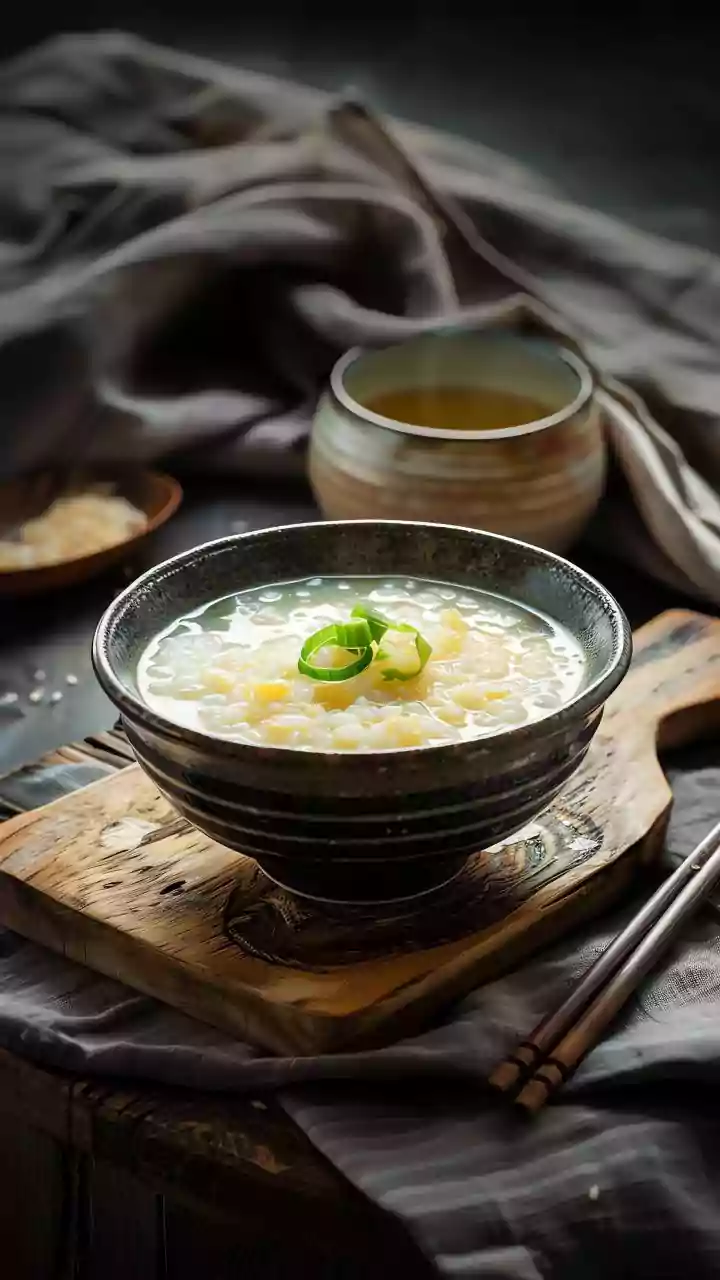
The beauty of this trend lies in its diversity, with each region offering its own unique treasures. In West Bengal, the short-grained, aromatic Gobindobhog is prized for its sweet, buttery flavour, making it perfect for festive dishes like payesh and khichuri. From Maharashtra comes Ambemohar, whose name translates to 'mango blossom' for its distinctive fragrance. It cooks into soft, sticky grains often used to prepare 'Bhatachi Pej,' a comforting rice soup for children and the elderly. Down south, Tamil Nadu's Karuppu Kavuni, once considered a royal delicacy, offers a nutty flavour and chewy texture. Other notable varieties include the climate-resilient Mappillai Samba ('bridegroom's rice') and the delicately flavoured Jeerakasala from Kerala.
From Farm to Fork
This movement is being nurtured from the ground up. Groups of farmers are forming networks to exchange and preserve traditional seeds, reintroducing strains that are naturally resilient to local pests, droughts, and even soil salinity. This reduces their reliance on chemical inputs and helps ensure a more sustainable farming future. At the other end of the chain, chefs at top Indian restaurants are putting these grains in the spotlight. By crafting innovative dishes like black rice tacos or featuring heritage grains in regional tasting menus, they are introducing a new generation of diners to these complex flavours and rich histories. State governments have also started to lend support, with initiatives like Tamil Nadu's State Heritage Rice Mission promoting the cultivation of these valuable landraces.
How to Join the Rice Revolution
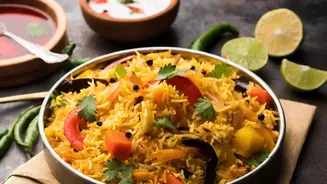
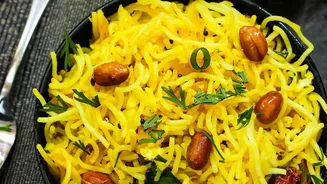
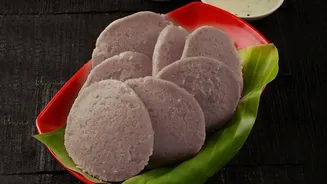
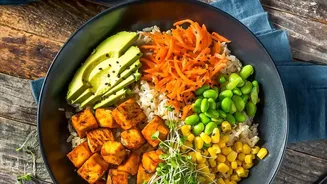
For the home cook, embracing this trend is easier than ever. Many of these regional rice varieties are now available through specialised online stores, farmers' markets, and organic food retailers. While they may cook differently from polished white rice, the results are well worth the effort. Aromatic varieties like Gobindobhog are excellent for puddings and pulaos. Sturdier red and black rices pair beautifully with robust curries and can be used to make nutritious dosa and idli batter. Exploring these grains is not just about trying a new ingredient; it's an opportunity to connect with India's agricultural heritage, support local farmers, and bring a wealth of new flavours and nutrients to your dining table.