

Why Choose Shoja for Your Escape?
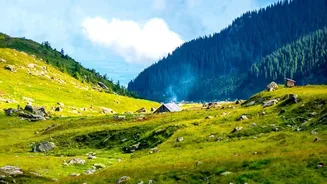
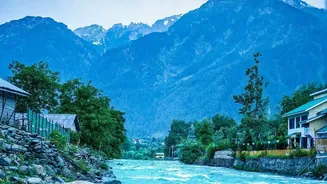
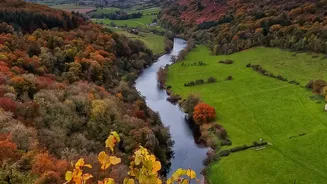
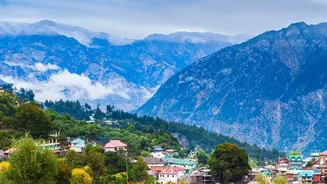
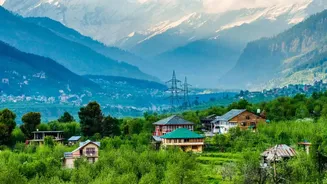
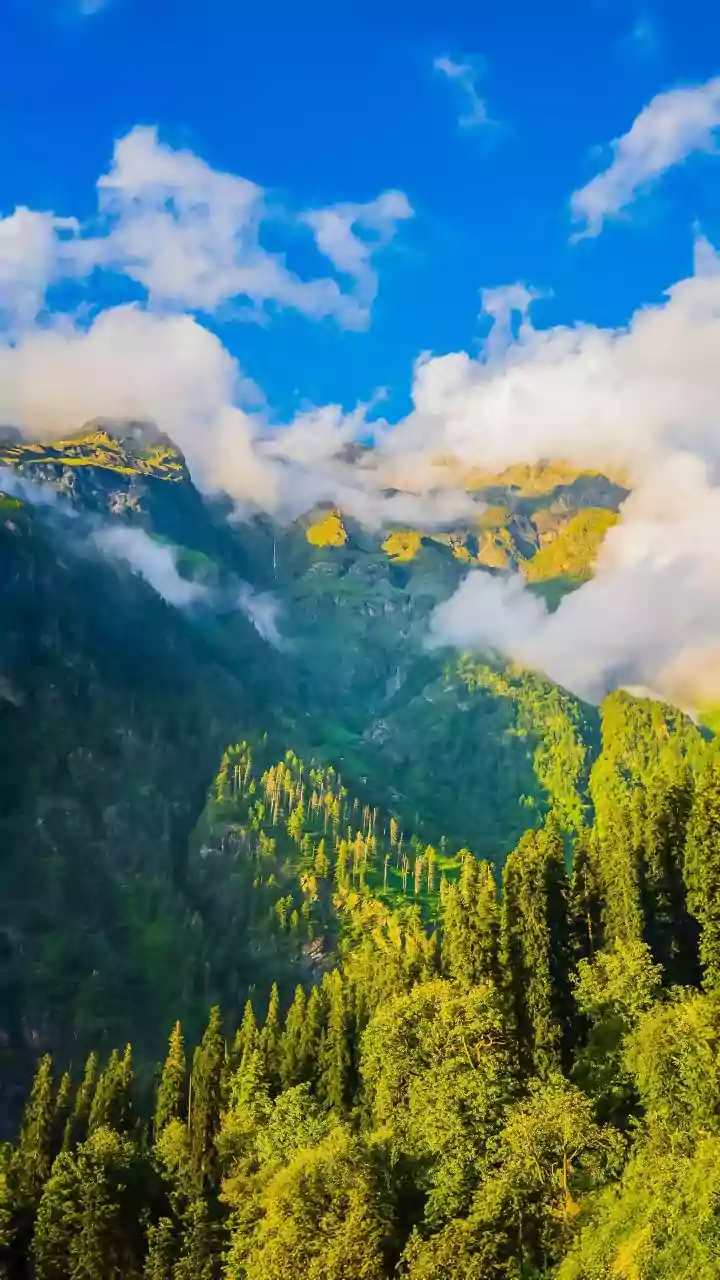
Unlike its bustling counterparts, Shoja remains a blissfully untouched hamlet known for its tranquillity and raw Himalayan beauty. Situated near the gateway to the Great Himalayan National Park, a UNESCO World Heritage Site, this small village offers
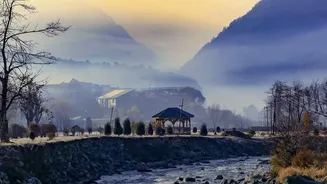
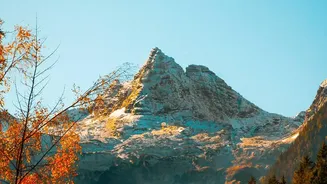
an unfiltered connection with nature. There are no busy mall roads or commercial hubs here; instead, you’ll find traditional wooden houses, misty trails, and panoramic views of snow-capped peaks. It's the ideal destination for anyone seeking solitude, fresh mountain air, and the simple joy of walking through pristine forests. The slow pace of life, dictated by the seasons, allows you to truly disconnect and rejuvenate.
Planning Your Journey to the Hills
Reaching Shoja is part of the adventure. The most common route is by road. If traveling from Delhi (around 500 km), the journey involves an overnight bus or a drive to Aut, followed by a taxi or local bus to Shoja via Banjar. The nearest airport is Bhuntar Airport in Kullu, approximately 58 km away, from where you can hire a taxi for the final leg of the journey. The best time to visit for pleasant walks is from March to June and again from September to November. During these months, the weather is comfortable, the skies are generally clear, and the trails are free of snow, offering perfect conditions for exploring the outdoors.
Discovering the Best Pine Forest Trails
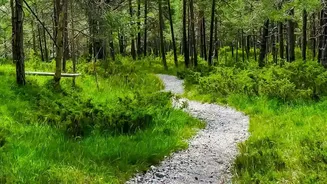
Shoja is a paradise for walkers, with several trails that meander through enchanting forests. Jalori Pass, located just 5 km from Shoja, is the starting point for two of the most popular treks. The first is the 5-6 km trail to Serolsar Lake, a stunning high-altitude lake surrounded by a dense forest of oak and pine trees. The walk is relatively easy and incredibly scenic, ending at the crystal-clear lake which is considered sacred by locals. In the opposite direction from the pass, a 3 km trek takes you to Raghupur Fort. While only ruins of the fort remain, the path leads you through lush oak and rhododendron forests to a spectacular meadow with 360-degree views of the Himalayas. For a shorter, more leisurely walk, the trail to the local Waterfall Point is just a kilometre from the village and offers a peaceful spot to relax.
Embracing the Quiet: Tips for Your Walk
To fully appreciate the serenity of Shoja's forests, it helps to be prepared. Wear sturdy walking shoes, as trails can be uneven. Dress in layers, as mountain weather can change quickly. Carry a small daypack with water, some snacks, and a camera. While major trails are identifiable, hiring a local guide can enrich the experience with insights into the local flora, fauna, and folklore. Most importantly, embrace the silence. Take moments to simply stand still, listen to the wind in the pines, and observe your surroundings. The area is a great spot for birdwatching, with the Himalayan Monal being a prized sighting. Remember to leave no trace; carry all your rubbish back with you to help preserve the pristine beauty of this fragile ecosystem.
Beyond the Walks: Other Experiences in Shoja
While forest walks are the main draw, Shoja and its surroundings offer more. You can explore the charming nearby village of Jibhi, known for its traditional wooden houses and riverside cafes. Trout fishing in the Tirthan River is another popular activity for those visiting the adjacent Tirthan Valley. You can also visit ancient wooden temples like the Shringa Rishi Temple or Chehni Kothi, which showcase remarkable Himachali architecture. However, one of the best things to do in Shoja is simply nothing at all. Find a comfortable spot at your homestay, sip on hot tea, read a book, and watch the clouds drift across the valley.