




The Simple Power of Soapy Water
One of the most accessible and cost-effective pest control methods is a simple soapy water spray. It is most effective against small, soft-bodied insects like aphids, mealybugs, and spider mites. The solution works on contact by breaking down the insect's
outer protective layer, causing dehydration. Unlike synthetic pesticides, it has no residual effect, meaning it only works when it directly coats the pests and is safer for the environment once it dries. However, it's crucial to use the right kind of 'soap'.
Your Go-To Soapy Water Recipe
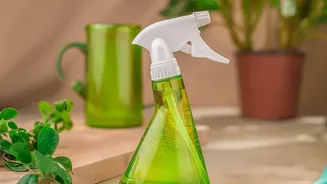
For a safe and effective spray, you must avoid modern dish detergents, which often contain degreasers and other chemicals that can strip the protective waxy cuticle from plant leaves, causing them to burn or dry out. Instead, opt for a pure, plant-based soap like castile soap. A widely recommended dilution is a 1% to 2% solution.To make your own, mix 1 to 2 teaspoons of pure liquid soap into 1 litre of water. Pour the mixture into a clean spray bottle and shake gently to combine. Always test the spray on a small, inconspicuous part of the plant and wait 24-48 hours to check for any signs of damage before treating the entire plant.
Neem Oil: Nature's Multipurpose Wonder
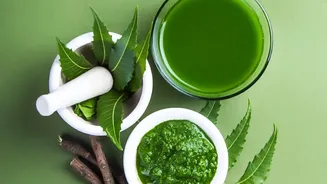
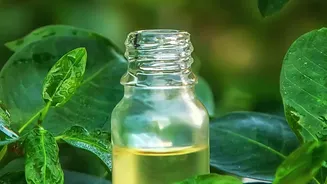
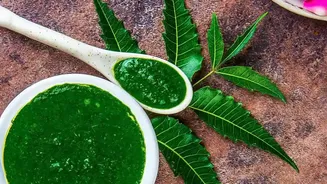
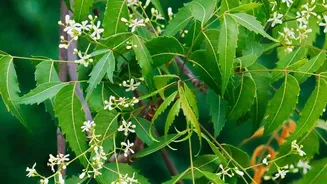
Derived from the seeds of the neem tree, native to the Indian subcontinent, neem oil is a powerhouse of natural pest control. Its primary active component, azadirachtin, works in multiple ways. It acts as a repellent, an antifeedant (discouraging pests from eating), and a growth regulator that disrupts the insect life cycle, making it harder for them to grow and reproduce. This makes it effective against a broader range of pests than soapy water, including aphids, mites, whiteflies, and even some fungal diseases like powdery mildew.
Mixing Your Neem Oil Solution
Neem oil does not mix directly with water, so it requires an emulsifier to create a stable solution. A small amount of mild liquid soap serves this purpose perfectly. For a general-purpose spray, combine 1 teaspoon (about 5 ml) of cold-pressed neem oil with about half a teaspoon (1-2 ml) of mild liquid soap in 1 litre of warm water. Shake the mixture vigorously to ensure the oil is evenly dispersed, and use it immediately for the best results, as the components can separate over time.
Best Practices for Safe Application
How and when you apply these sprays is just as important as the recipe. To prevent leaf scorch, always spray in the early morning or late evening when the sun is not intense and temperatures are cool. This timing also helps protect beneficial pollinators like bees, which are less active at these times. When spraying, be thorough. Pests often hide on the undersides of leaves, so ensure you coat all surfaces of the plant. Since these natural sprays break down quickly and work on contact, you may need to reapply them every 7 to 14 days, or after rain, until the pest problem is under control.
Are These Hacks Truly Safe?
While 'natural,' these solutions are not entirely harmless. As mentioned, detergents can damage plants, and even proper insecticidal soap or neem oil can stress sensitive plants. Always perform a spot test first. While neem oil is generally considered non-toxic to mammals and birds once dry, it can be harmful to fish and aquatic invertebrates, so avoid runoff into ponds or waterways. To protect your pets, it is best to keep them away from sprayed areas until the solution has completely dried. The biggest benefit of these sprays is their targeted nature and low environmental persistence compared to broad-spectrum synthetic pesticides.