



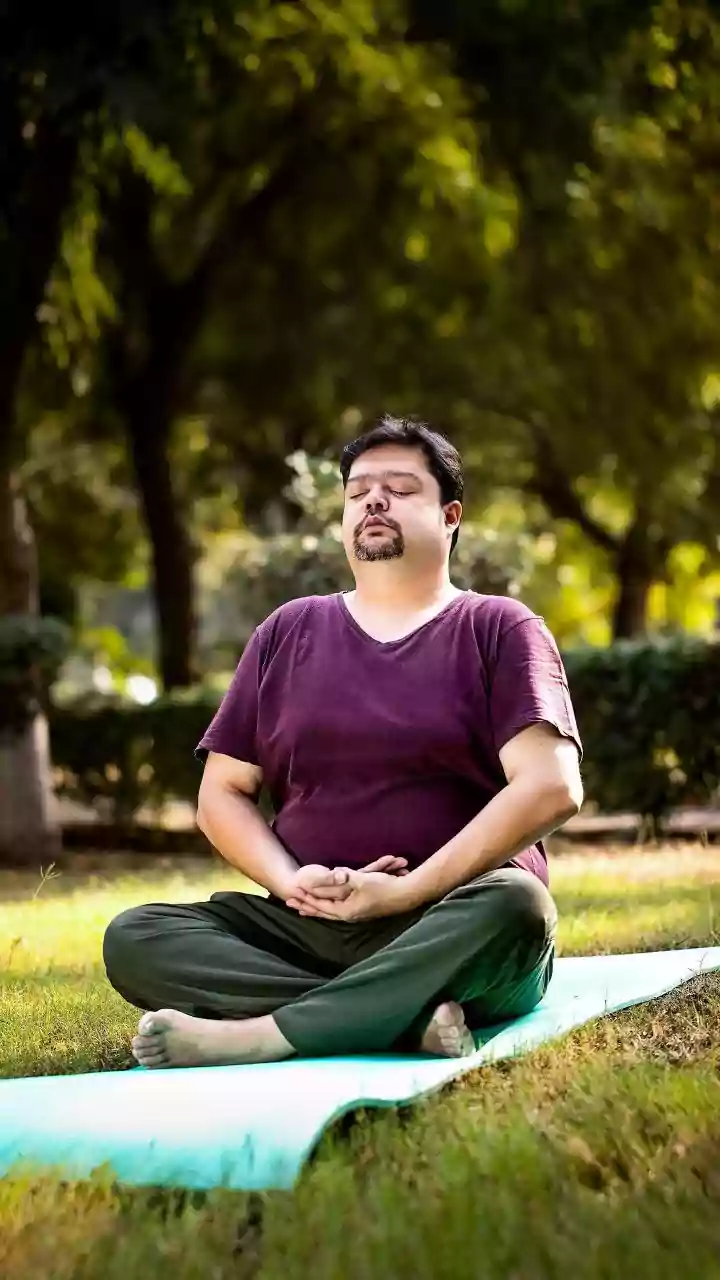



What is Humming Bee Breath?
Bhramari Pranayama, also called 'Humming Bee Breath', gets its name from the black Indian bee, Bhramari. It is a calming breathing exercise from the yogic tradition that involves creating a low-pitched humming sound on the exhalation, similar to the gentle
buzzing of a bee. This practice is renowned for its ability to instantly quiet the mind, making it an excellent tool for managing feelings of agitation, frustration, or anxiety, particularly as you prepare for sleep. The focus is on the vibration of the sound, which has a deeply soothing effect on the entire nervous system.
The Soothing Science of the Hum
The calming effects of Bhramari are not just subjective; they are rooted in physiology. The gentle vibration created by humming stimulates the vagus nerve, a key component of the parasympathetic nervous system, which is the body's 'rest and digest' system. Activating this nerve helps lower your heart rate, reduce blood pressure, and switch off the 'fight-or-flight' stress response. Furthermore, research has shown that humming can increase the production of nitric oxide in your nasal passages, a molecule that helps improve oxygen circulation and promotes healing. This combination of nervous system regulation and improved oxygenation provides a powerful foundation for relaxation.
A Step-by-Step Guide to Bhramari
Practicing Bhramari is simple and requires no special equipment. Find a quiet and comfortable place where you can sit upright with a straight spine. 1. Settle In: Close your eyes and take a few normal breaths to settle your body and mind. Relax your shoulders and jaw. 2. Position Your Hands: Gently place your index fingers on the cartilage of your ears, the small flap between your cheek and ear canal. 3. Inhale Deeply: Take a slow, deep breath in through your nose. 4. Hum on the Exhale: As you breathe out, keep your mouth closed and begin to make a smooth, low- to medium-pitched humming sound from your throat, like a bee. Gently press on the ear cartilage as you hum. Make the exhalation last as long as is comfortable. 5. Feel the Vibration: Pay attention to the sensation of the vibration in your skull, forehead, and chest. Let it be the focus of your awareness. 6. Repeat: Continue this pattern for 5 to 10 rounds, or for a few minutes, allowing yourself to become absorbed in the sound and sensation. Afterwards, keep your eyes closed for a minute to notice the feeling of quiet and stillness within.
Benefits Beyond a Quiet Mind
While Bhramari is celebrated for its immediate calming effect on anxiety, its benefits are wide-ranging. Regular practice can lead to a significant reduction in resting heart rate and blood pressure. It helps to relieve cerebral tension, making it effective against headaches and migraines. Many practitioners find it dissipates feelings of anger and frustration, promoting emotional balance. By calming the mind and body, it prepares you for a deeper, more restorative night’s sleep. Some research suggests the vibrations may even stimulate the pineal gland, which regulates the sleep-promoting hormone melatonin.
Important Considerations Before You Practice
Bhramari is a safe practice for most people. However, there are a few situations where it should be avoided or modified. It is not recommended for those with an active ear infection, as the vibrations could cause discomfort. If you have severely high and unmanaged blood pressure, it's best to consult a doctor before starting, as the practice involves subtle pressure changes in the head. Additionally, some sources advise against practicing Bhramari during pregnancy or menstruation. Always listen to your body; the practice should feel soothing, not straining. If you feel any dizziness or discomfort, stop and return to normal breathing.