







Start with a Safety-First Plan
Before you hang a single light or place a single diya, take a moment to plan your layout with safety as the top priority. Your balcony is an outdoor space exposed to wind and other elements. Think about where people will walk, where furniture is placed,
and what materials are nearby. The goal is to create zones: one for open flames and another for electrical lights, ensuring they are a safe distance apart. Keep flammable items like paper decorations, fabrics, or dry plants far away from any heat source. A crucial first step is to have a fire extinguisher or a bucket of water and sand readily accessible before you begin. This simple preparation can make all the difference in an emergency.
Secure Your Fairy Lights Correctly
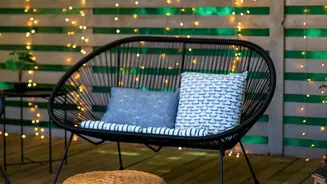
Fairy lights set the foundation for your festive glow, but they come with their own set of rules. Always use lights and extension cords that are specifically rated for outdoor use. Indoor lights are not designed to withstand moisture or temperature changes and can become a serious hazard. Before plugging anything in, inspect every string of lights for frayed wires, cracked sockets, or loose connections. If you find any damage, discard the set immediately. When hanging the lights, use plastic clips or zip ties instead of nails or staples, which can puncture the wire’s insulation and create a shock or fire risk. Secure the lights firmly to railings or walls to prevent them from being dislodged by wind.
Manage Your Electrical Load
One of the most common electrical mistakes during festivals is overloading a single power socket. Connect no more than three strings of lights together, unless the manufacturer's instructions state otherwise. For outdoor sockets, it is essential to use a Ground Fault Circuit Interrupter (GFCI), which automatically cuts power if it detects a fault, preventing electric shocks. If your outdoor outlets aren't already protected, you can buy portable GFCIs. Finally, always turn off all decorative lights before you go to bed or leave the house. Using a timer can help automate this and provide extra peace of mind.
Strategic Placement for Clay Diyas
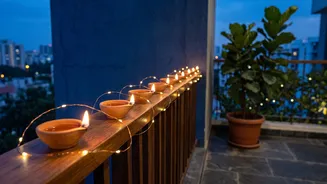
The timeless beauty of a clay diya lies in its open flame, which also requires the most care. Always place diyas on a stable, flat, and non-flammable surface like a metal tray, stone slab, or ceramic tile. Never place them directly on a plastic table, wooden railing, or near curtains, cushions, or paper decorations. The ideal location is on the floor or a low, sturdy surface where they won't be accidentally knocked over by children, pets, or a gust of wind. Ensure there is at least a foot of clear space around each diya. If your balcony is particularly windy, consider placing diyas inside larger, stable lanterns or using flameless LED alternatives for high-risk areas.
Positioning Brass Lanterns with Care
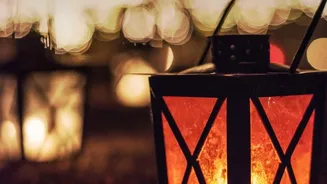
Brass lanterns, whether they hold candles, tea lights, or oil wicks, add a touch of elegance. Like diyas, they must be placed on a secure and stable surface where they cannot be easily tipped over. Brass can get very hot, so keep the lanterns away from anything that could melt or ignite. If you are hanging lanterns, ensure the hooks are strong and securely fastened. A critical safety rule is to maintain a safe distance between open flames and any electrical wiring. Keep all diyas and lanterns at least three feet away from your fairy lights, extension cords, and any fabric or paper decor. This separation is non-negotiable for fire prevention.
Final Checks and Constant Vigilance
Once your beautiful arrangement is complete, your job isn't over. Never leave open flames unattended. Before you leave your home or go to sleep, extinguish every single diya and candle. Double-check that all electrical lights are switched off. When lighting diyas, use high-quality oil or ghee to minimize smoke and soot. Keep the cotton wicks trimmed to an appropriate length to ensure a small, controlled flame. By combining careful planning with continuous vigilance, you can ensure your festival of lights is remembered for its beauty and warmth, not for an avoidable accident.