






What Exactly Is a Moka Pot?
Invented in Italy in 1933, the Moka pot is an iconic coffee maker celebrated for its simplicity and the strong coffee it produces. It consists of three main parts: a bottom chamber for water, a funnel-shaped filter for coffee grounds, and a top chamber where
the finished coffee collects. When placed on a stove, the water in the bottom heats up, and steam pressure forces it up through the coffee grounds and into the top chamber. It's often called a 'stovetop espresso maker', but it's important to know that it produces 'espresso-style' coffee. A Moka pot uses about 1.5 to 2 bars of pressure, while a true espresso machine uses 9 bars or more. This means you won't get the same thick crema, but you will get a wonderfully rich and concentrated brew.
The Appeal of Stovetop Brewing
So why choose a Moka pot? The primary benefits are affordability and simplicity. It offers a taste of the intense coffee experience without the significant investment and counter space required for a high-end espresso machine. Moka pots are durable, easy to clean, and the brewing process itself is a satisfying ritual for many coffee lovers. They work on most stovetops and create a brew that is significantly stronger and more full-bodied than drip coffee, making it a versatile base for drinks like Americanos or lattes, or simply to be enjoyed on its own for a powerful start to the day.
Choosing the Right Coffee Beans
The type of coffee you use has a huge impact on the final taste. While many 'espresso roasts' work well, the ideal choice is often a medium to dark roast. These roasts tend to have notes of chocolate and nuts and a lower perceived acidity, which is complemented by the Moka pot's intense extraction. Italian brands like illy and Lavazza are classic choices often recommended for Moka pots. Single-origin beans, such as a Brazil Santos, can also be fantastic, offering a sweet, low-acid cup with chocolatey notes. Don't be afraid to experiment. The goal is to find a bean with a flavour profile you enjoy, as the Moka pot will certainly amplify it.
The Importance of the Grind
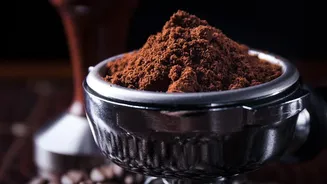
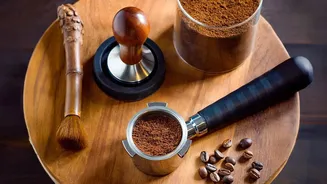
Grind size is perhaps the most critical variable to get right. For a Moka pot, you need a medium-fine grind. Think of the texture of fine table salt or sand—finer than you'd use for a drip coffee maker, but coarser than the powdery grind required for a true espresso machine. If the grind is too coarse, water will pass through too quickly, resulting in a weak, under-extracted coffee. If it's too fine, it can clog the filter, leading to over-extraction and a harsh, bitter taste. Grinding your beans fresh just before brewing will always yield the most flavourful and aromatic results.
A Step-by-Step Brewing Guide
Brewing with a Moka pot is straightforward once you know the steps. First, fill the bottom chamber with hot water, stopping just below the safety valve. Using pre-heated water reduces the overall time on the stove and prevents the coffee grounds from getting 'baked', which can create a metallic taste. Next, fill the filter basket with your medium-fine coffee grounds. Fill it level to the top, but do not press or tamp it down like you would with an espresso machine. Tamping can create too much resistance for the water. Screw the top chamber on tightly and place the pot on the stove over medium-low heat. Leave the lid open to watch. Soon, a steady stream of coffee will begin to flow into the upper chamber. Once you hear a gurgling or hissing sound, remove the pot from the heat immediately to avoid bitterness.
Common Mistakes to Avoid
Several common errors can lead to a disappointing cup. The most frequent are using a heat setting that's too high, which scorches the coffee, and leaving the pot on the stove too long after it starts to gurgle. Another is overfilling the water chamber past the safety valve or tamping the coffee grounds in the filter. Finally, be sure to clean your pot regularly. Rinsing thoroughly with hot water after each use is usually sufficient, as soap can strip away the seasoned coffee oils that protect the metal and contribute to the flavour.